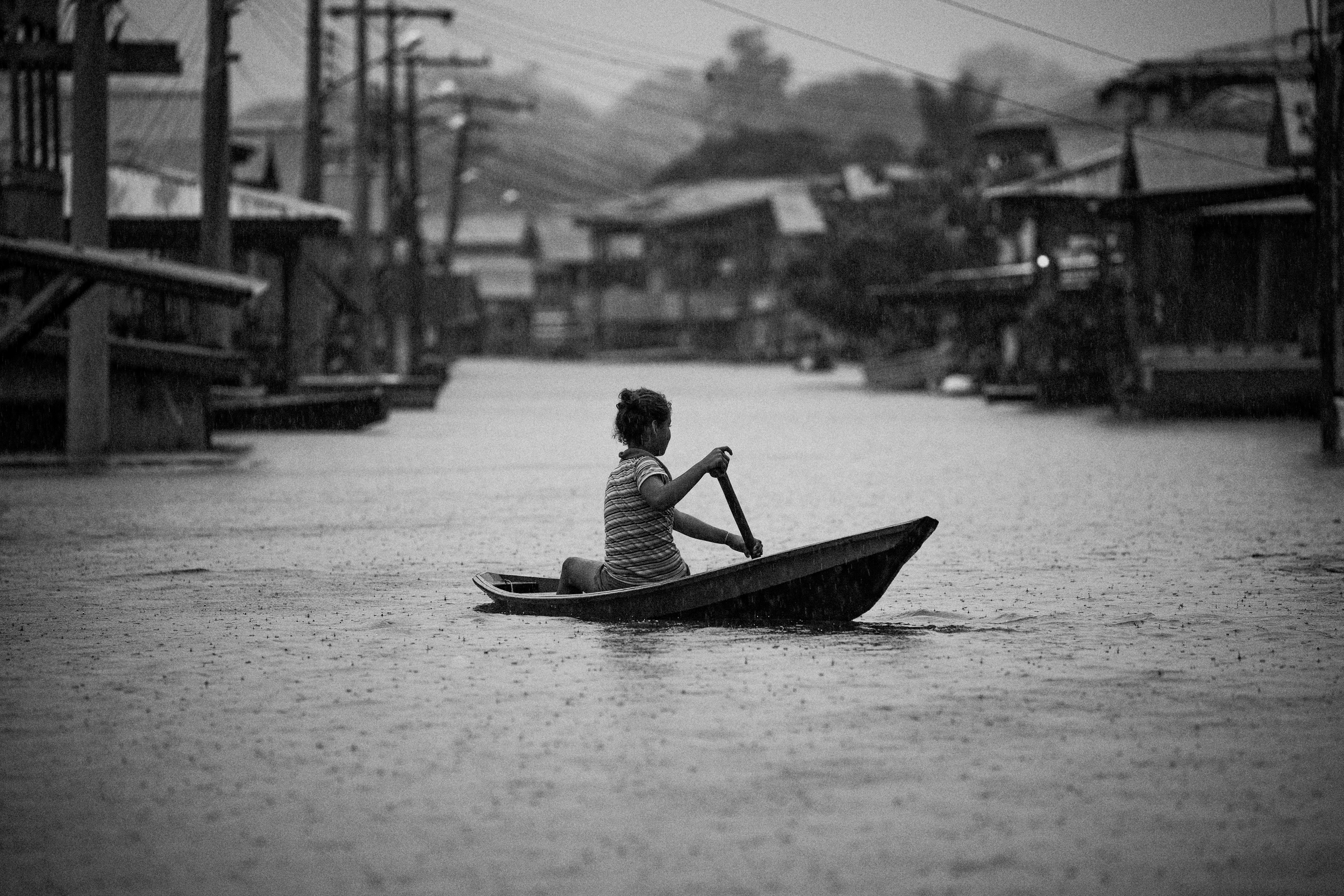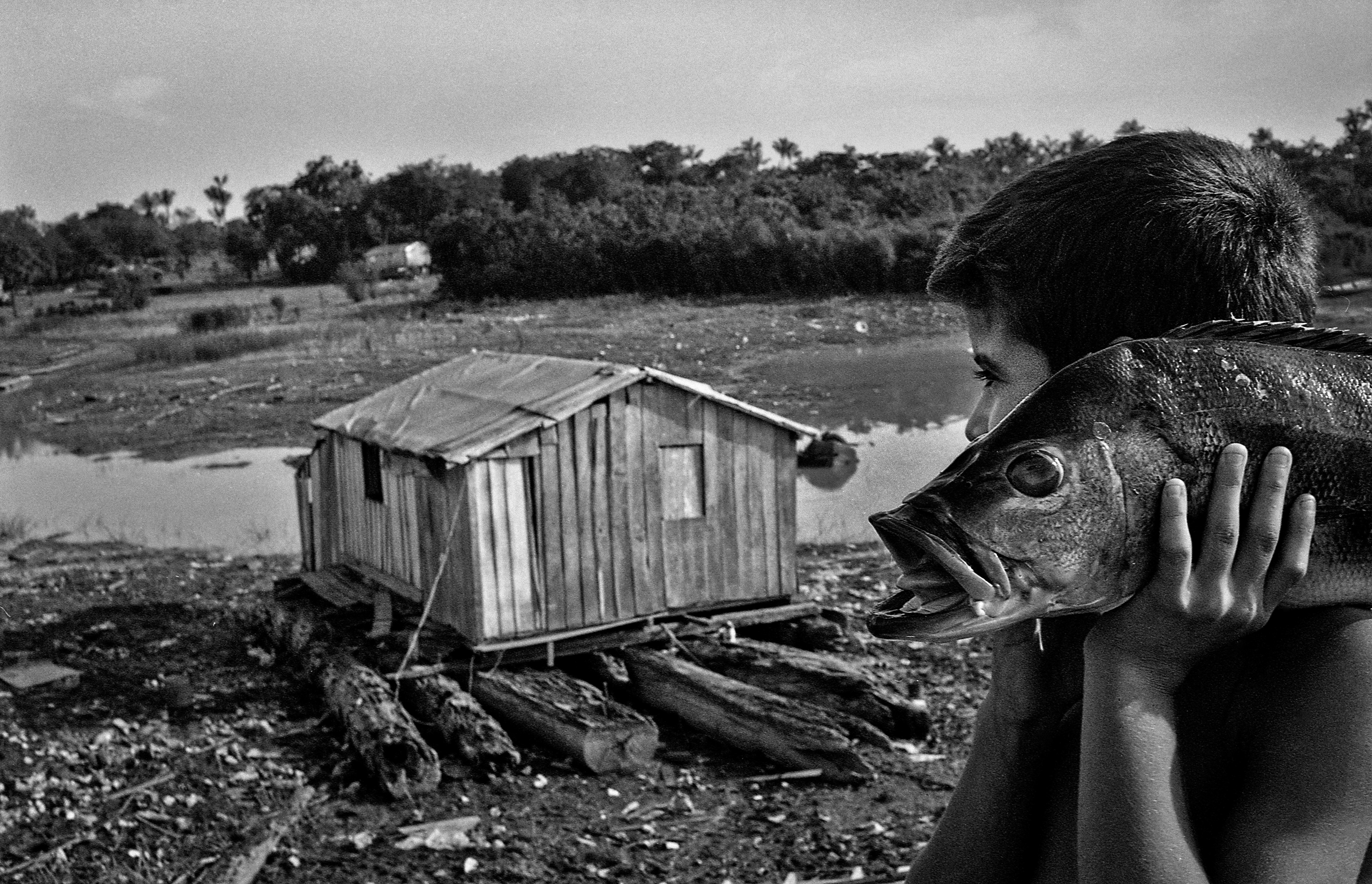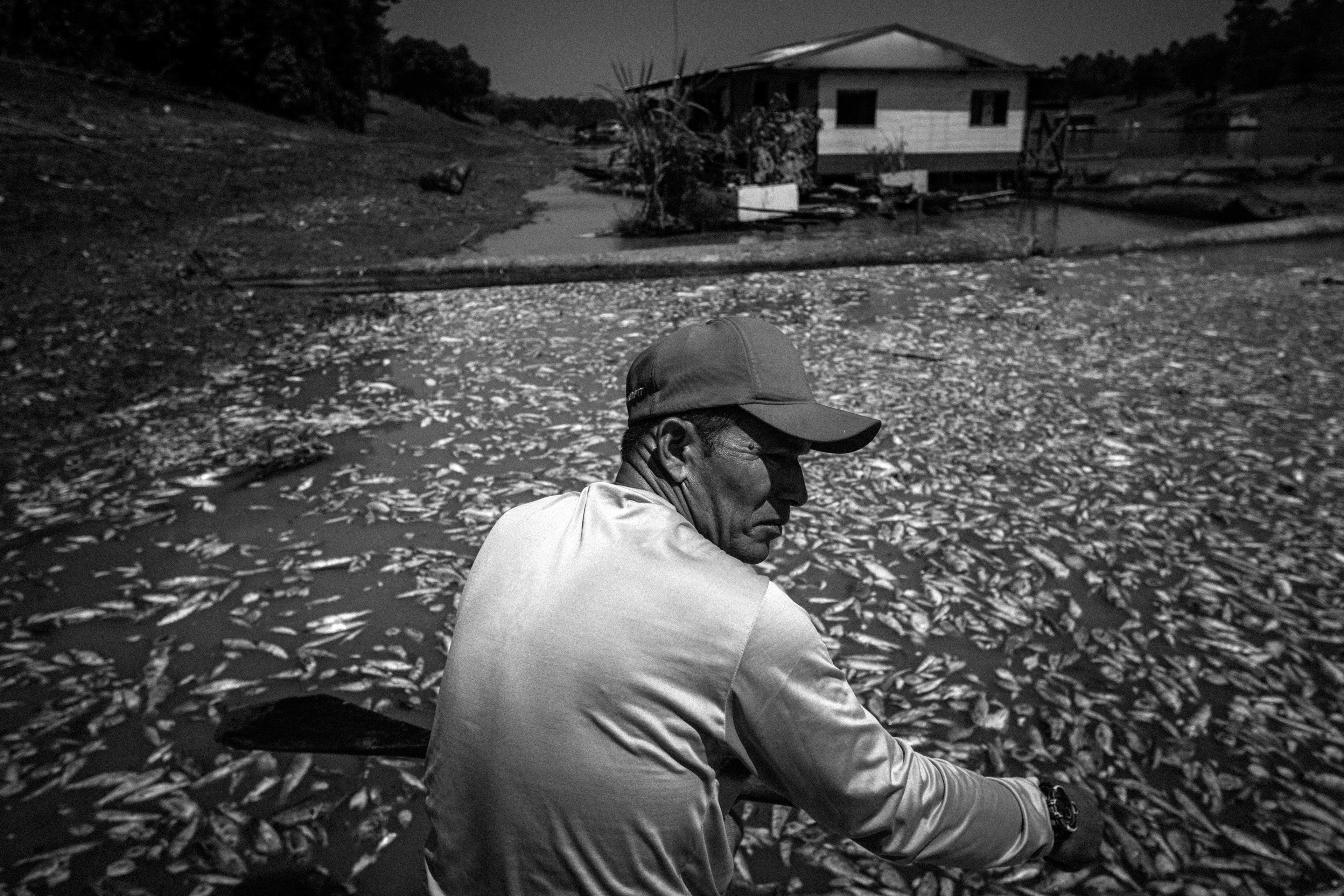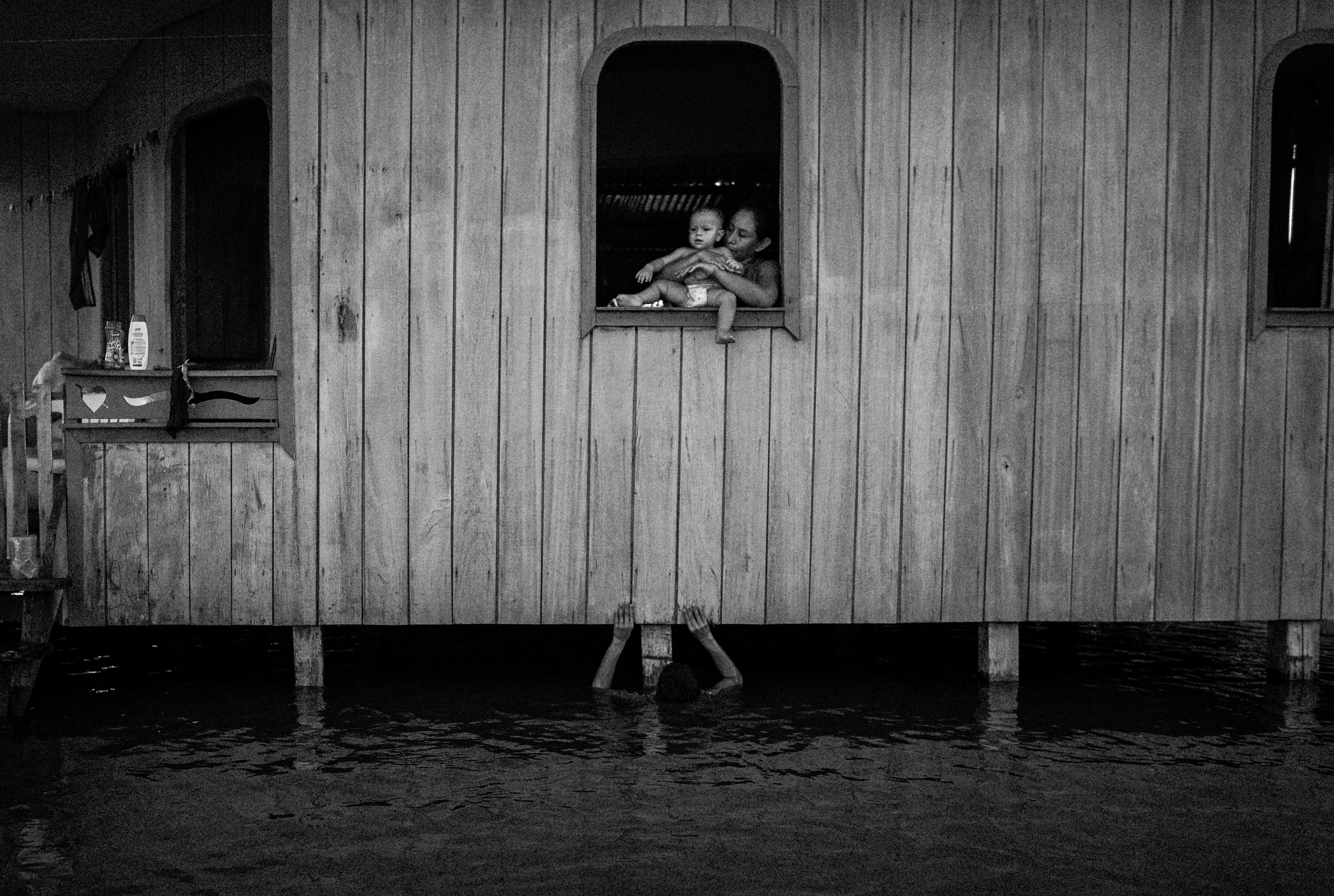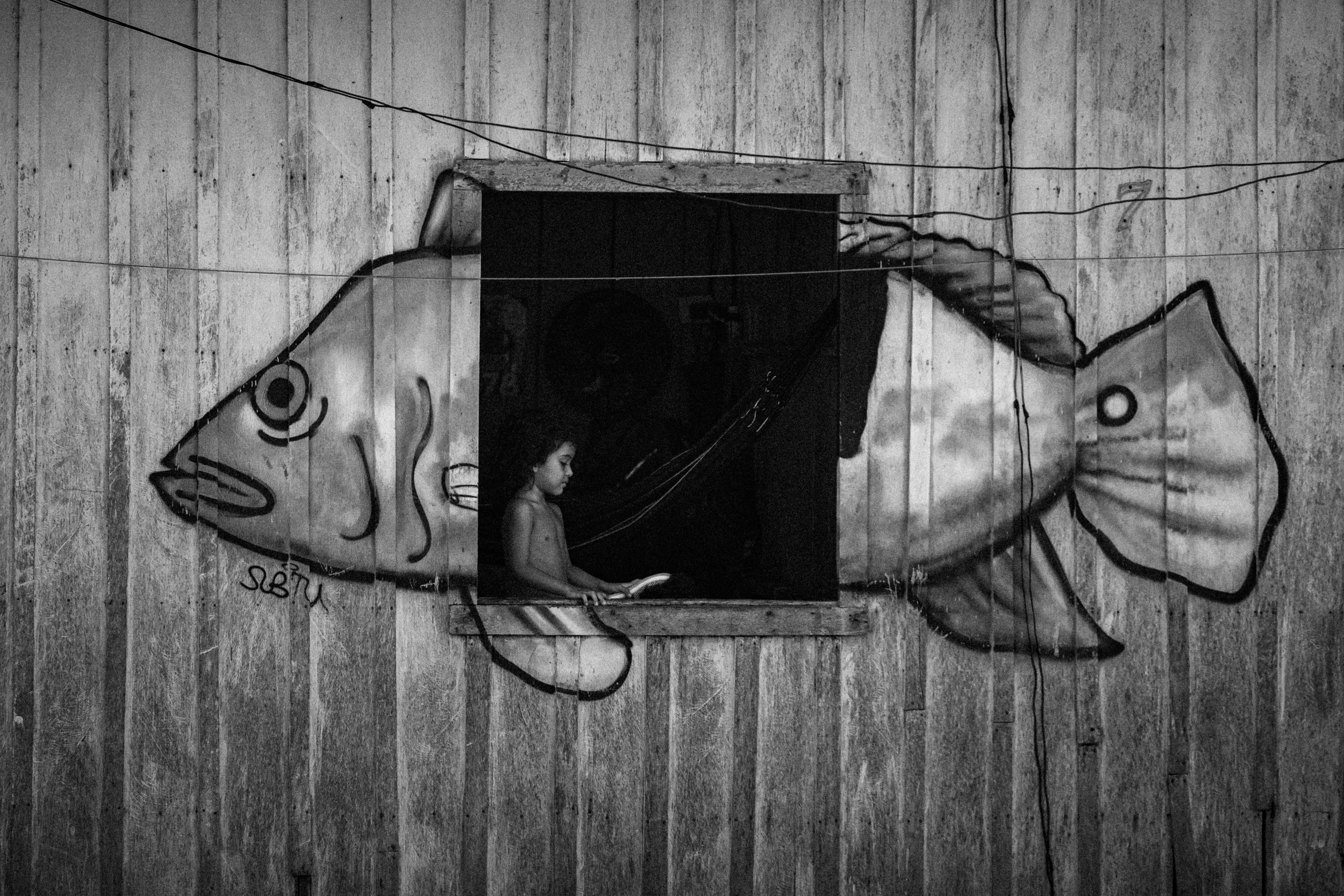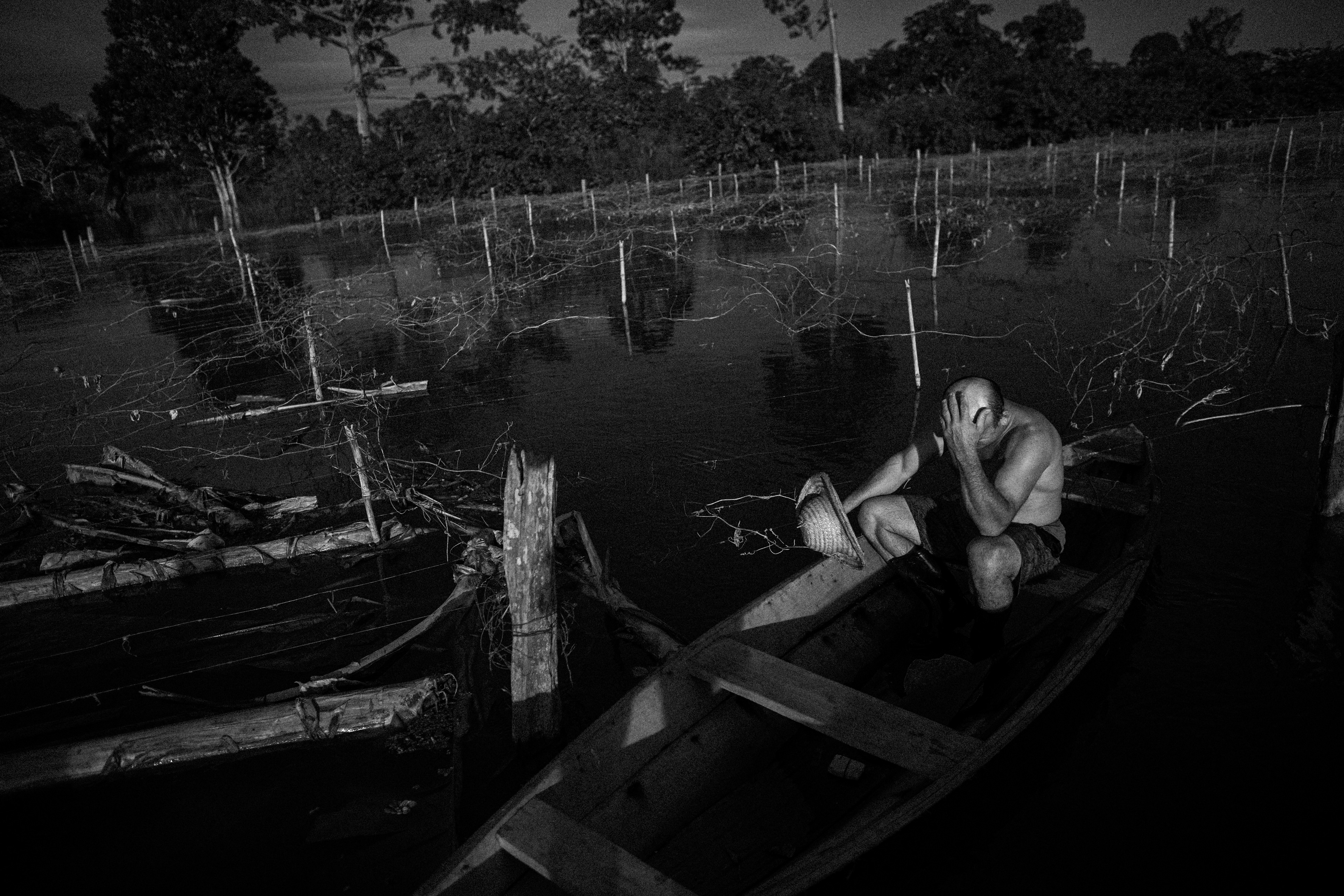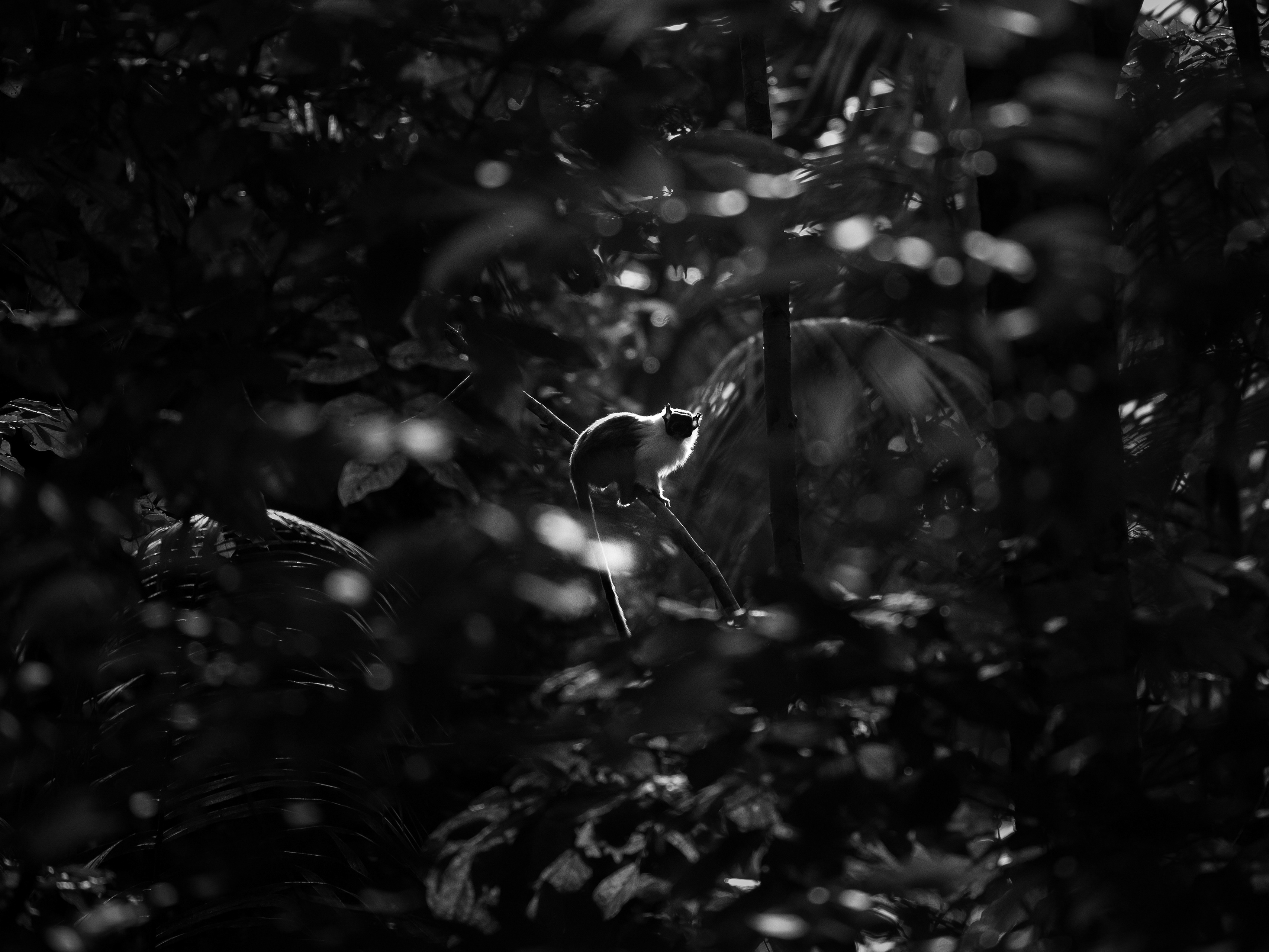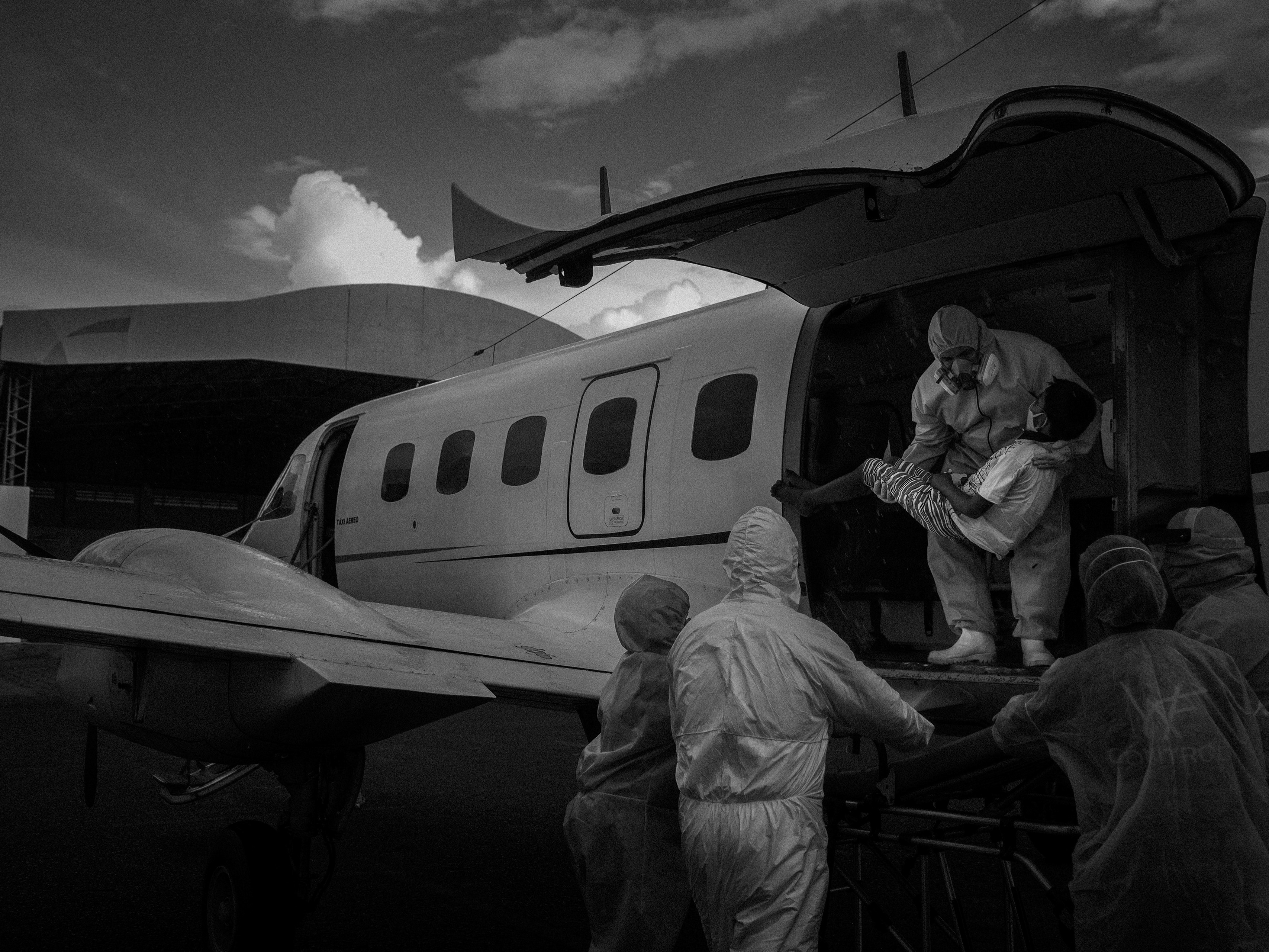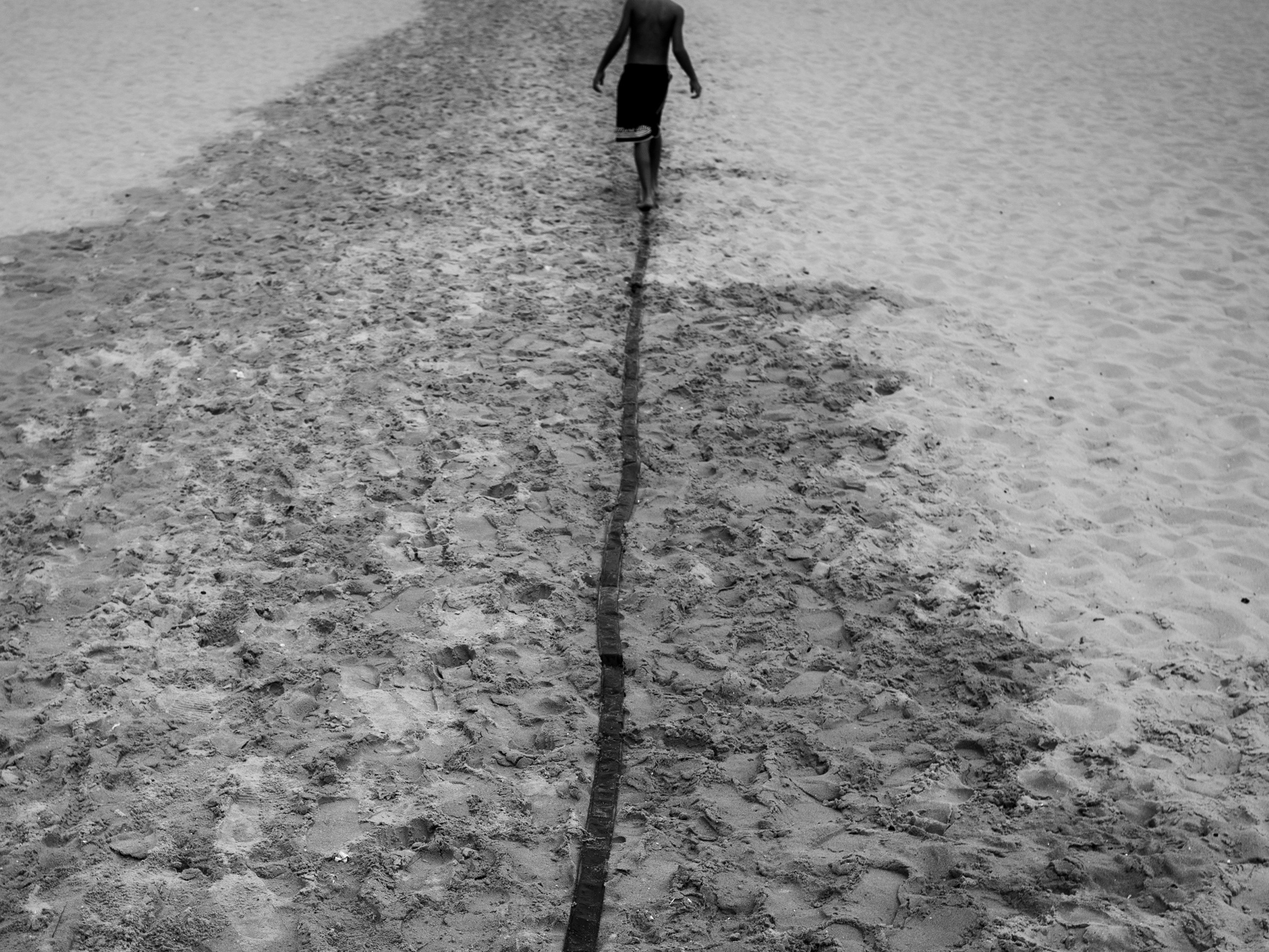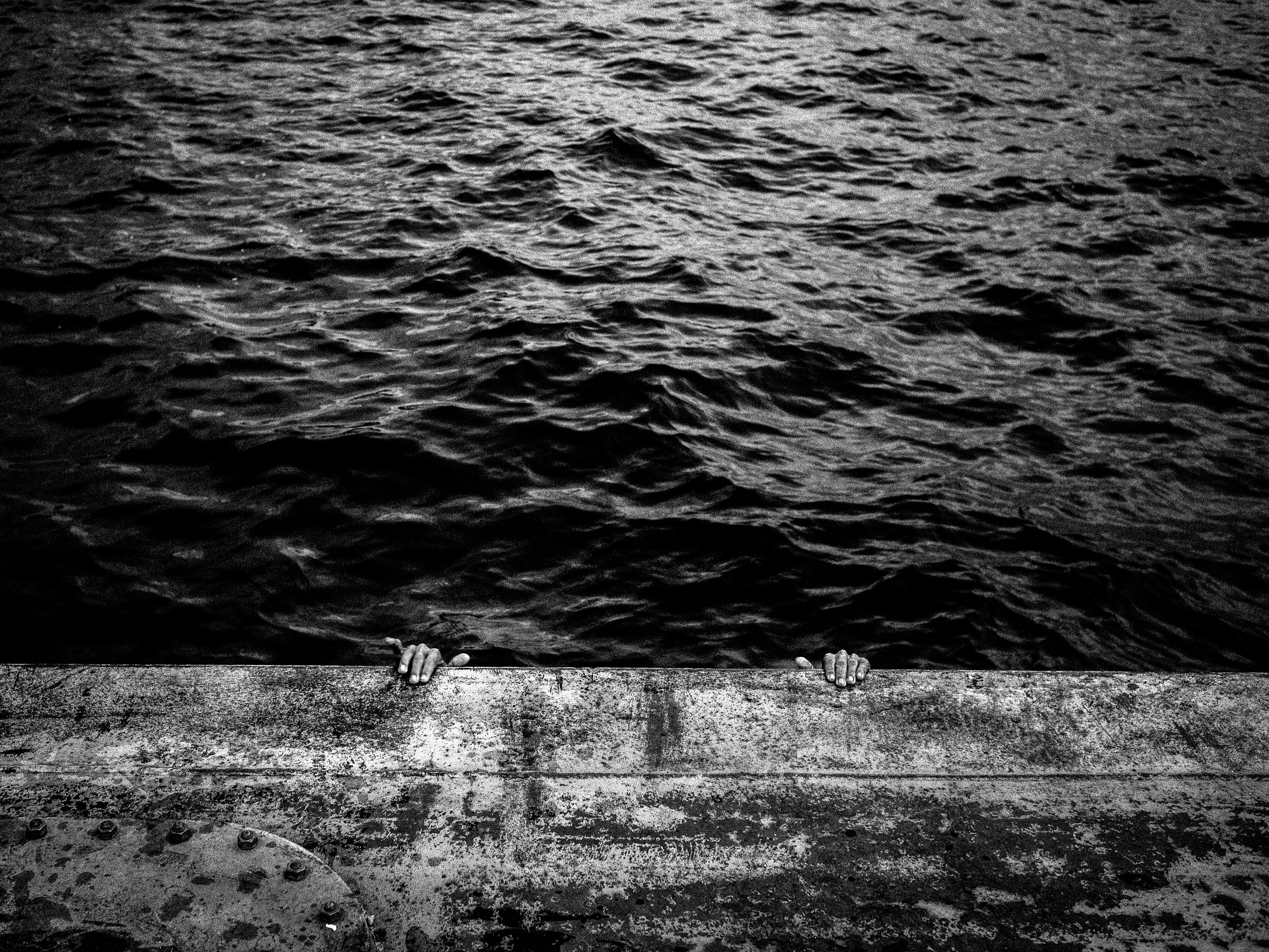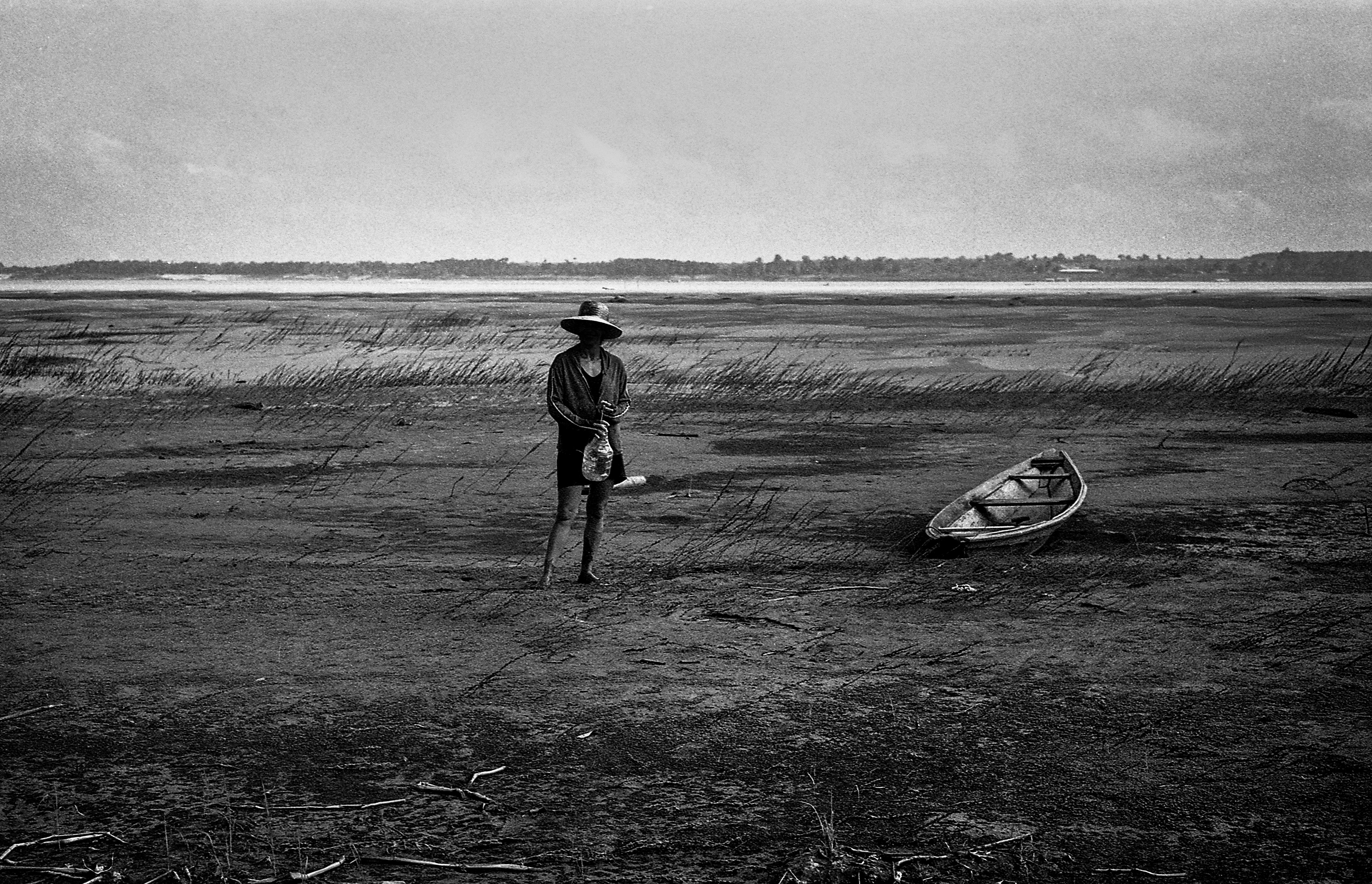
“When the waters” is a project aimed at addressing the relation of human beings with the waters in Amazonia. Those issues are approached within the context of the dichotomy between drought and flooding, which maintains the continuity of life in the waters and which historically the Amazonian man had to adapt to.
Moreover, “When the Waters” proposes a debate on the evident impacts related to the changing climate worldwide that have direct effect on events related to the water cycle in this region: extreme flooding and droughts are becoming more constant.
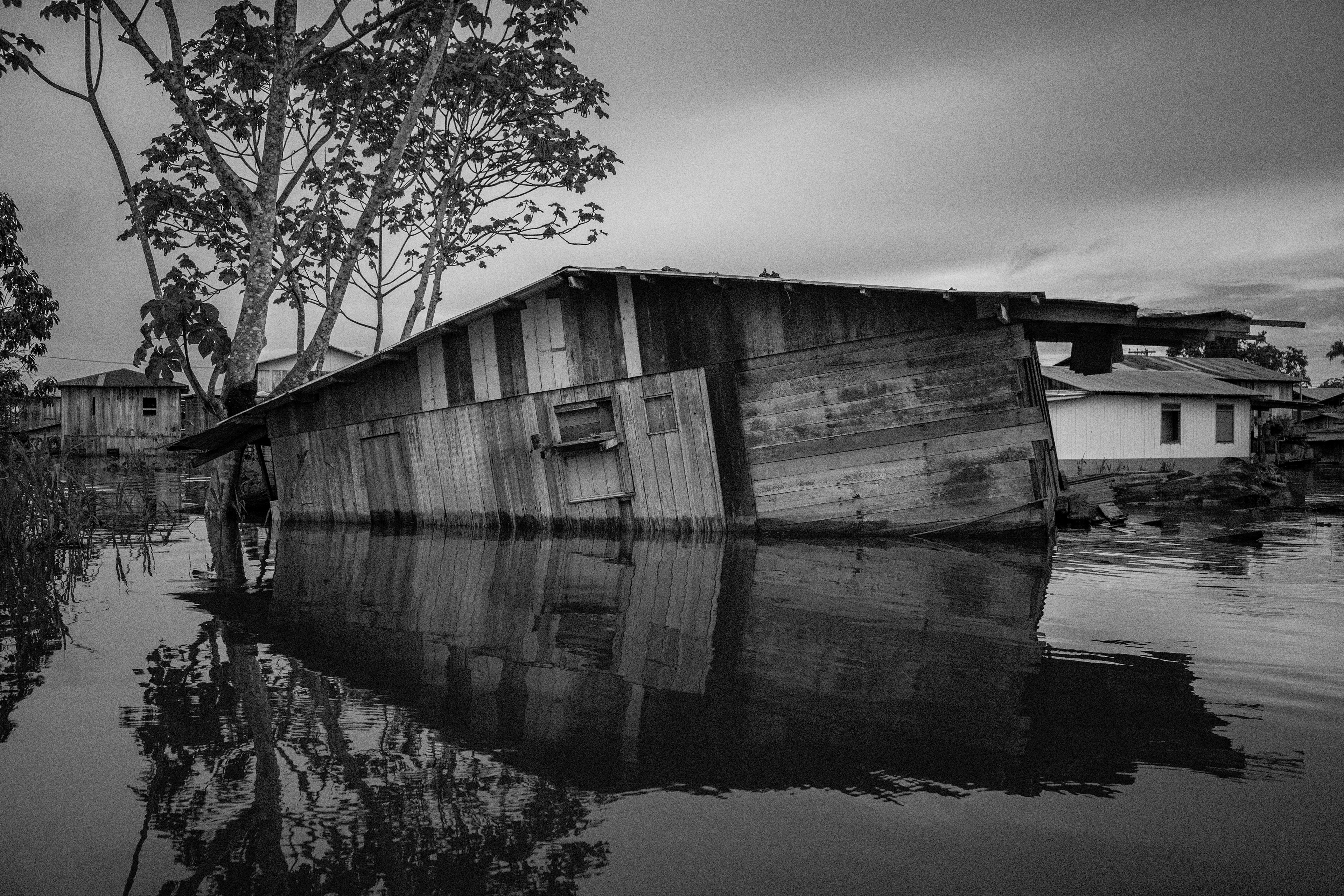
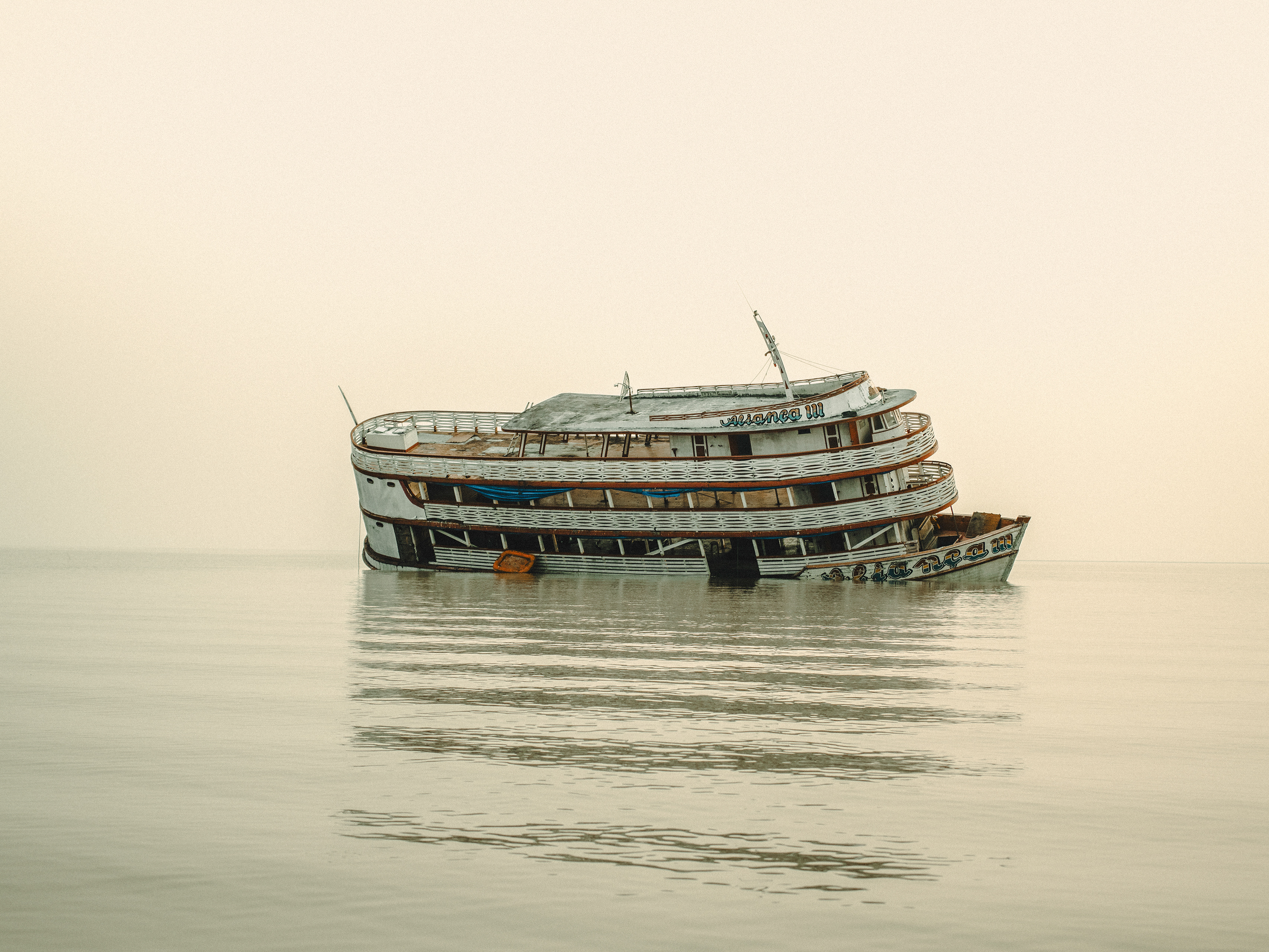
As a parameter to assess the intensity with which the phenomena are occurring, it is necessary to simply highlight that the first time the record of water levels on River Negro during a flood season was broken after 56 years, since the river began to be “measured” (on 1902): it reached 29.69 meters on 1953 and 29.71 on 2009. That year, the rising waters caused a lot of problems, specially in Manaus (the biggest city in the Amazon), such as the flooding of communities living in riverside areas; the readjustment of traffic, since several streets were flooded; commercial losses, since stores were under water; and the spreading of diseases, since the flood season made the sewer system overflow in the central area of the city.
Many people thought that such high levels would take another half of century to happen once more. They were wrong. On 2012, the levels of the Negro achieved 29.97 meters and all those problems of the flood on 2009 returned since Manaus had been increasingly growing.
On 2013, the flood levels achieved 29.33 meters. Although it has not broken the records set in 2012 and 2009, the flood of 2013 was among the most intense ones ever recorded. In 2021, the Negro achieved achieved a new record: 30,02m. It was the strongest flood the Amazon Basin has ever faced.
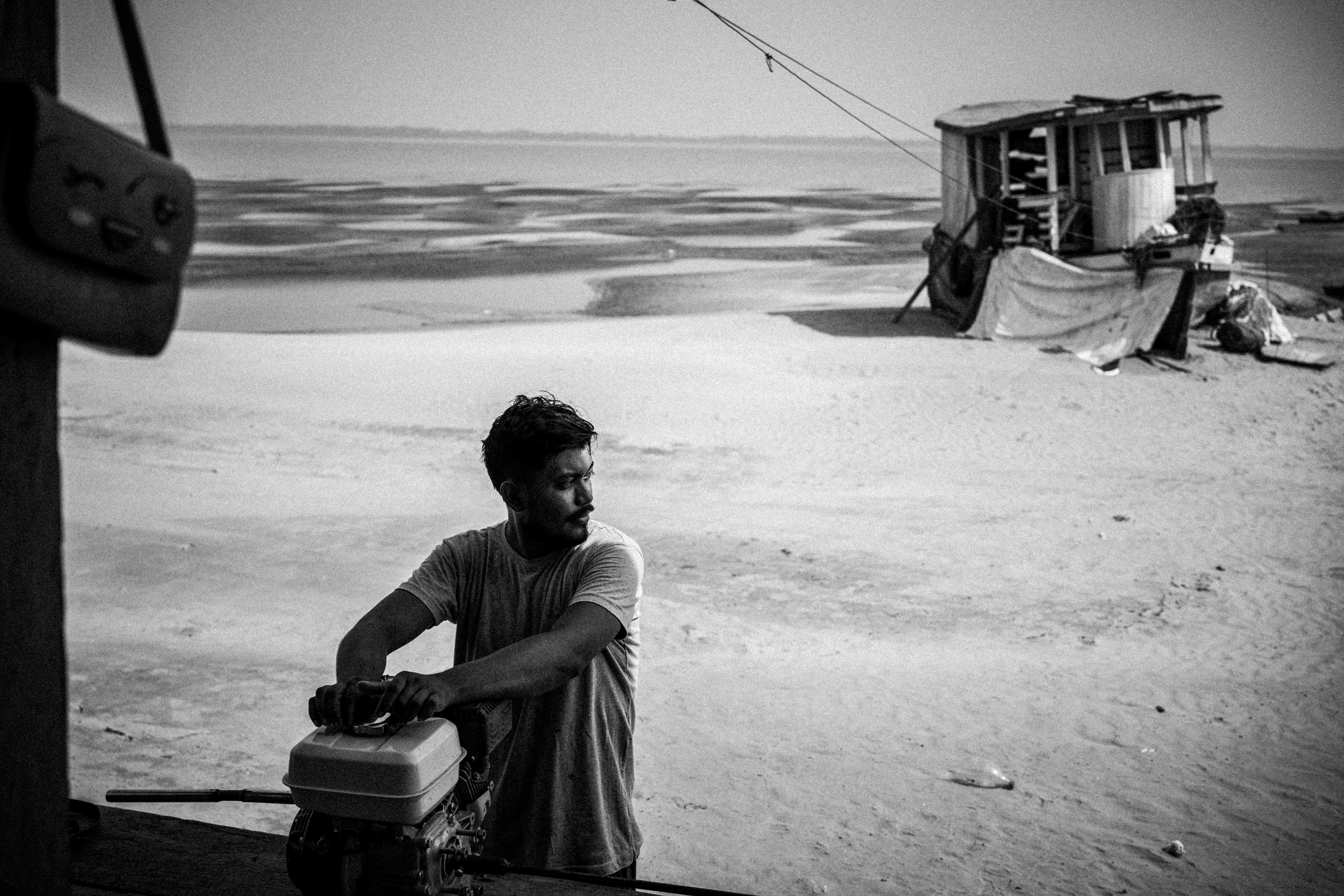
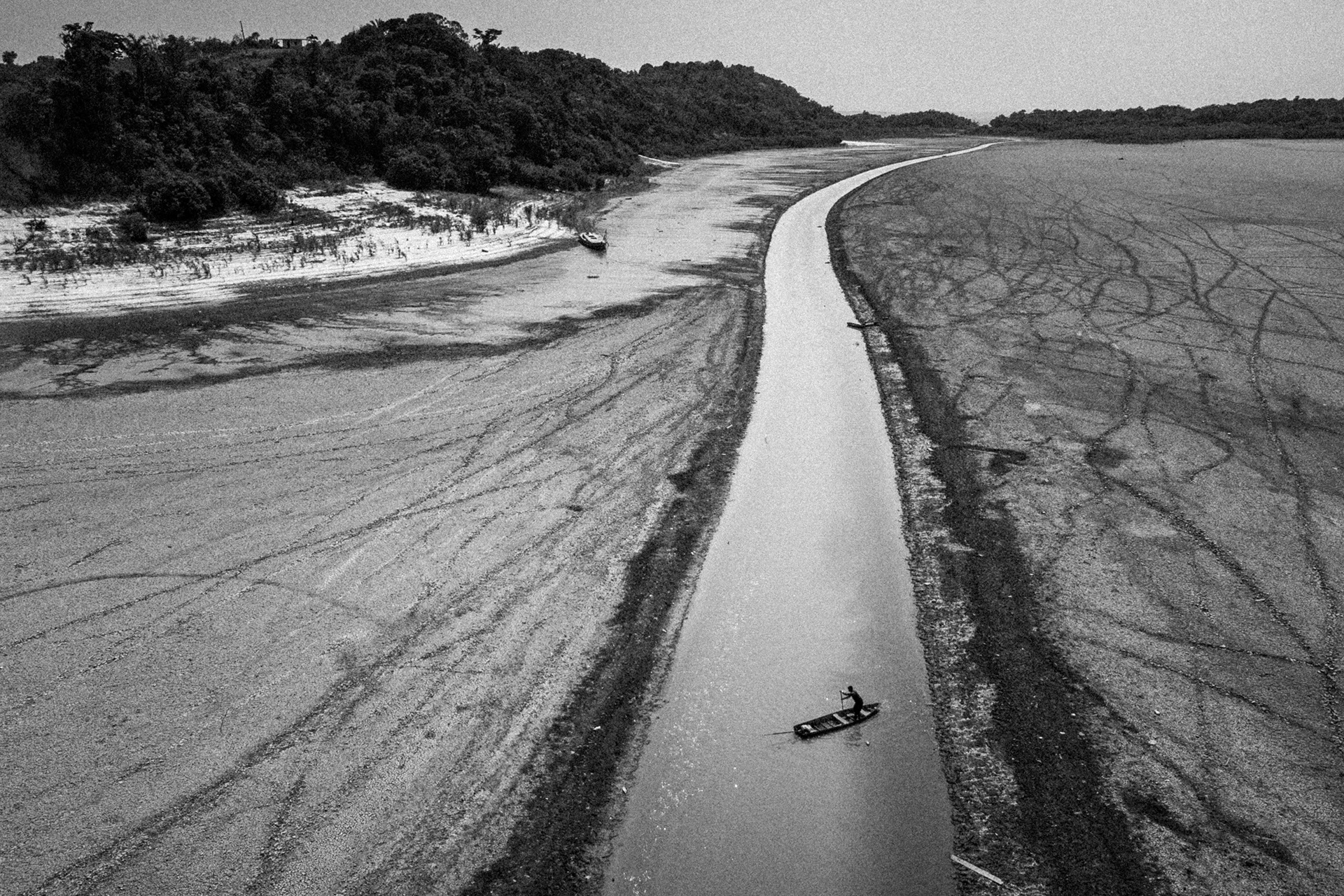
The droughts are also getting stronger. In the Negro, the first record drought of 1964 (when the waters went down to 13.64 meters) was surpassed only in 2010 (by one centimeter, when the
waters went down to 13.63 meters). The worst scenario was yet to come. In 2023 - two years after a major flood, the Amazon basin went through its largest and toughest drought. All the 62 municipalities in Amazonas state went under emergency alert. A year later, the records have been surpassed.
Moreover, “When the Waters” proposes a debate on the evident impacts related to the changing climate worldwide that have direct effect on events related to the water cycle in this region: extreme flooding and droughts are becoming more constant.
As a parameter to assess the intensity with which the phenomena are occurring, it is necessary to simply highlight that the first time the record of water levels on River Negro during a flood season was broken after 56 years, since the river began to be “measured” (on 1902): it reached 29.69 meters on 1953 and 29.71 on 2009. That year, the rising waters caused a lot of problems, specially in Manaus (the biggest city in the Amazon), such as the flooding of communities living in riverside areas; the readjustment of traffic, since several streets were flooded; commercial losses, since stores were under water; and the spreading of diseases, since the flood season made the sewer system overflow in the central area of the city.
Many people thought that such high levels would take another half of century to happen once more. They were wrong. On 2012, the levels of the Negro achieved 29.97 meters and all those problems of the flood on 2009 returned since Manaus had been increasingly growing.
On 2013, the flood levels achieved 29.33 meters. Although it has not broken the records set in 2012 and 2009, the flood of 2013 was among the most intense ones ever recorded. In 2021, the Negro achieved achieved a new record: 30,02m. It was the strongest flood the Amazon Basin has ever faced.
The droughts are also getting stronger. In the Negro, the first record drought of 1964 (when the waters went down to 13.64 meters) was surpassed only in 2010 (by one centimeter, when the
waters went down to 13.63 meters). The worst scenario was yet to come. In 2023 - two years after a major flood, the Amazon basin went through its largest and toughest drought. All the 62 municipalities in Amazonas state went under emergency alert. A year later, the records have been surpassed.