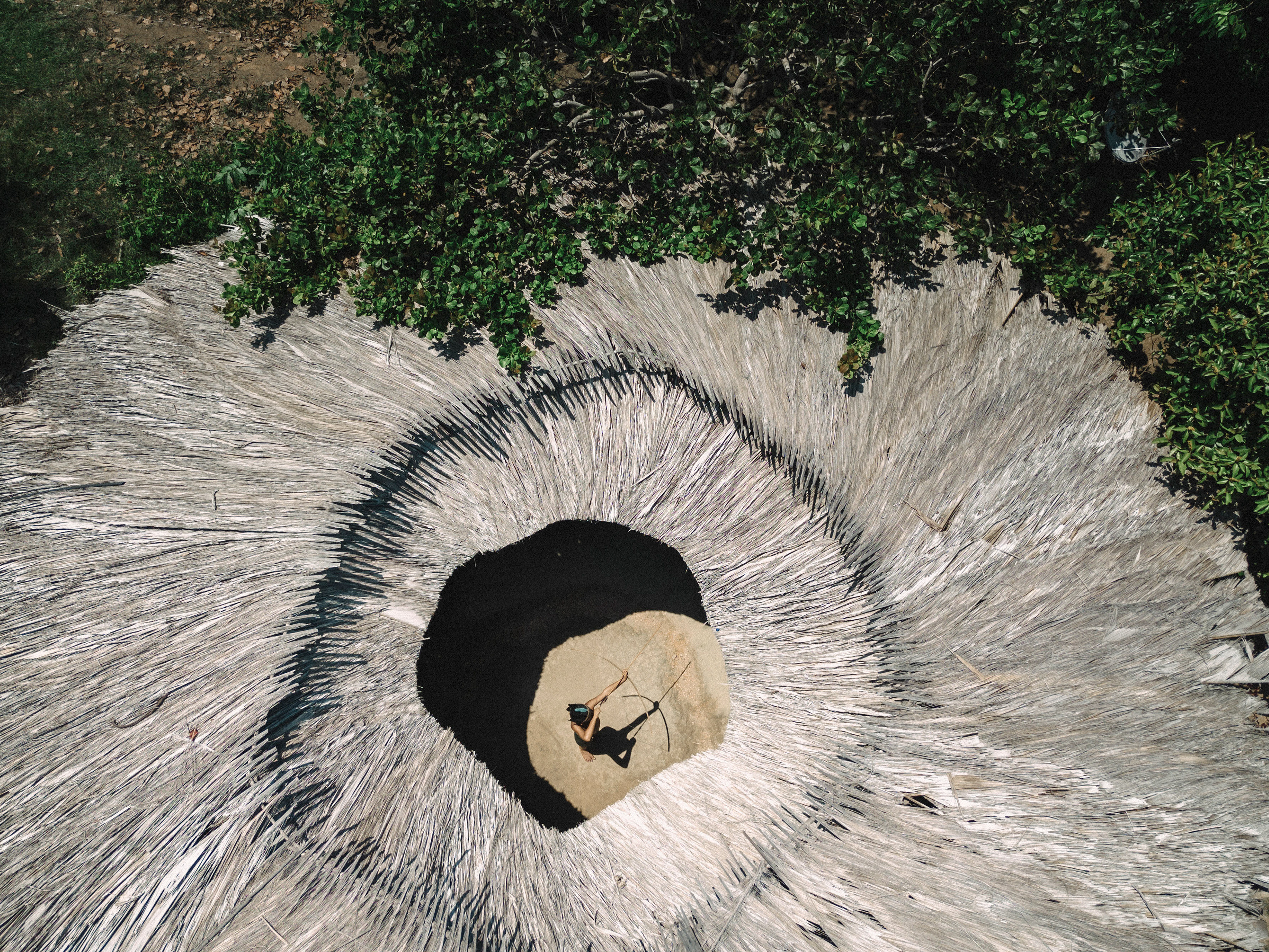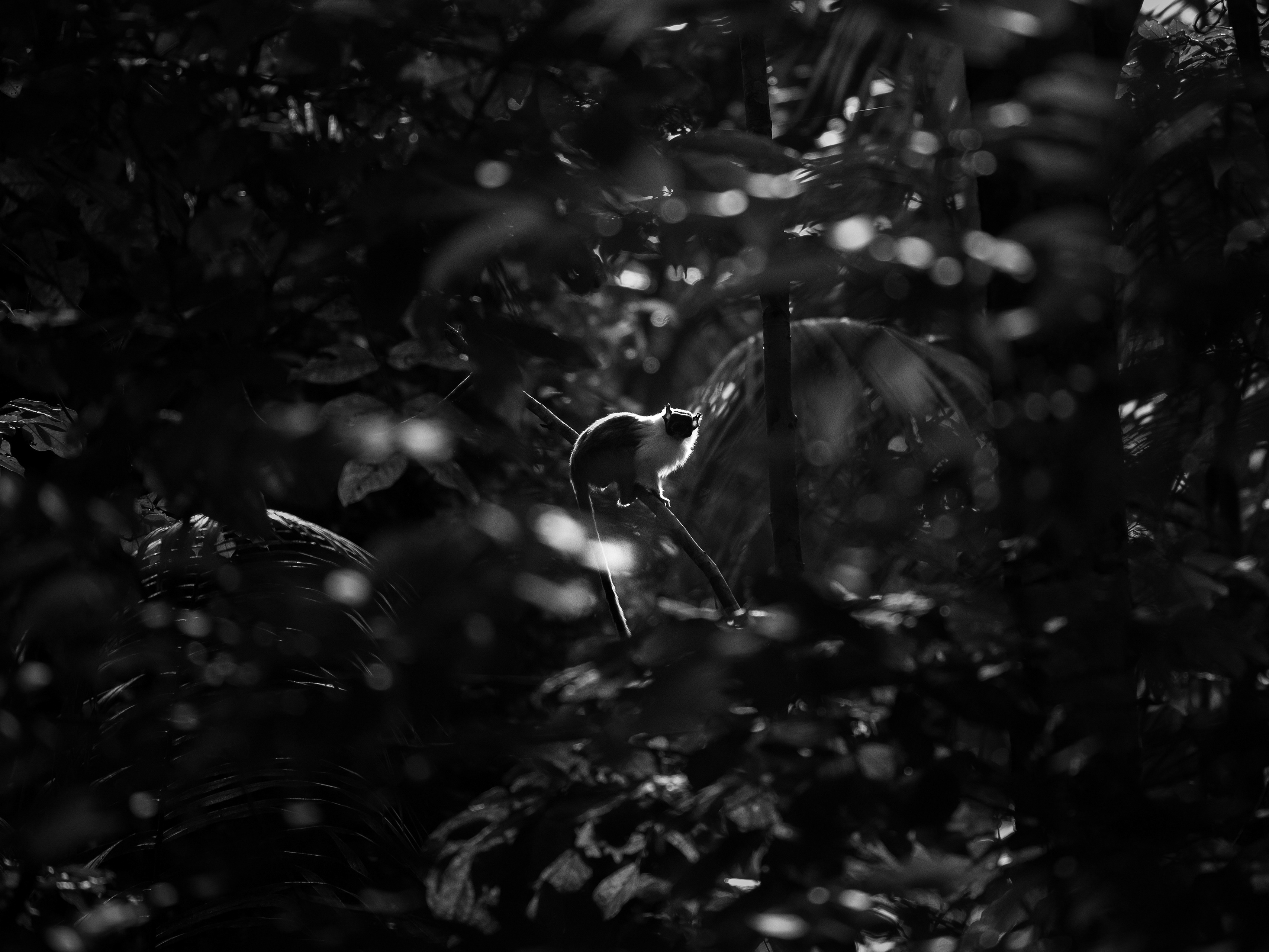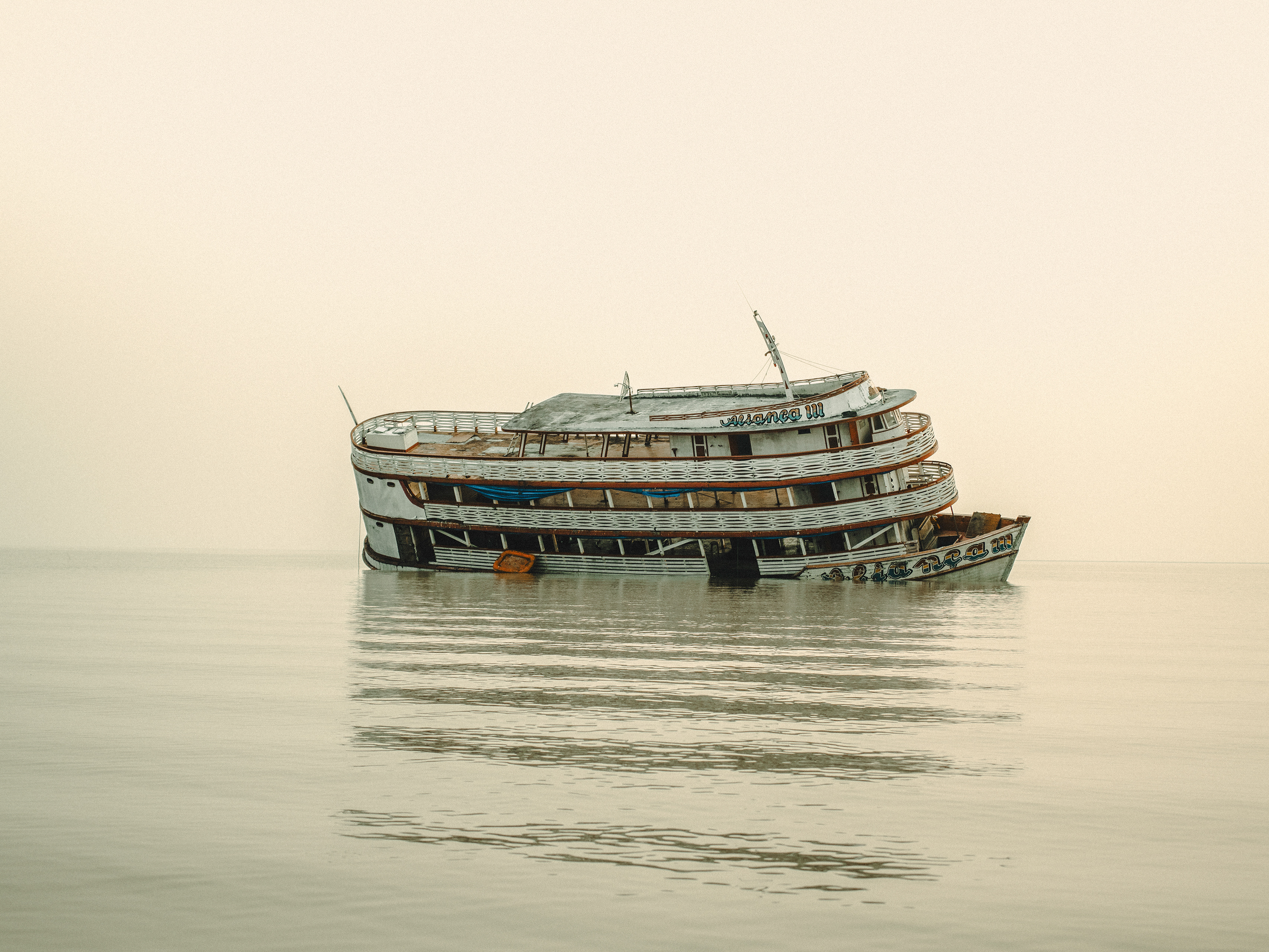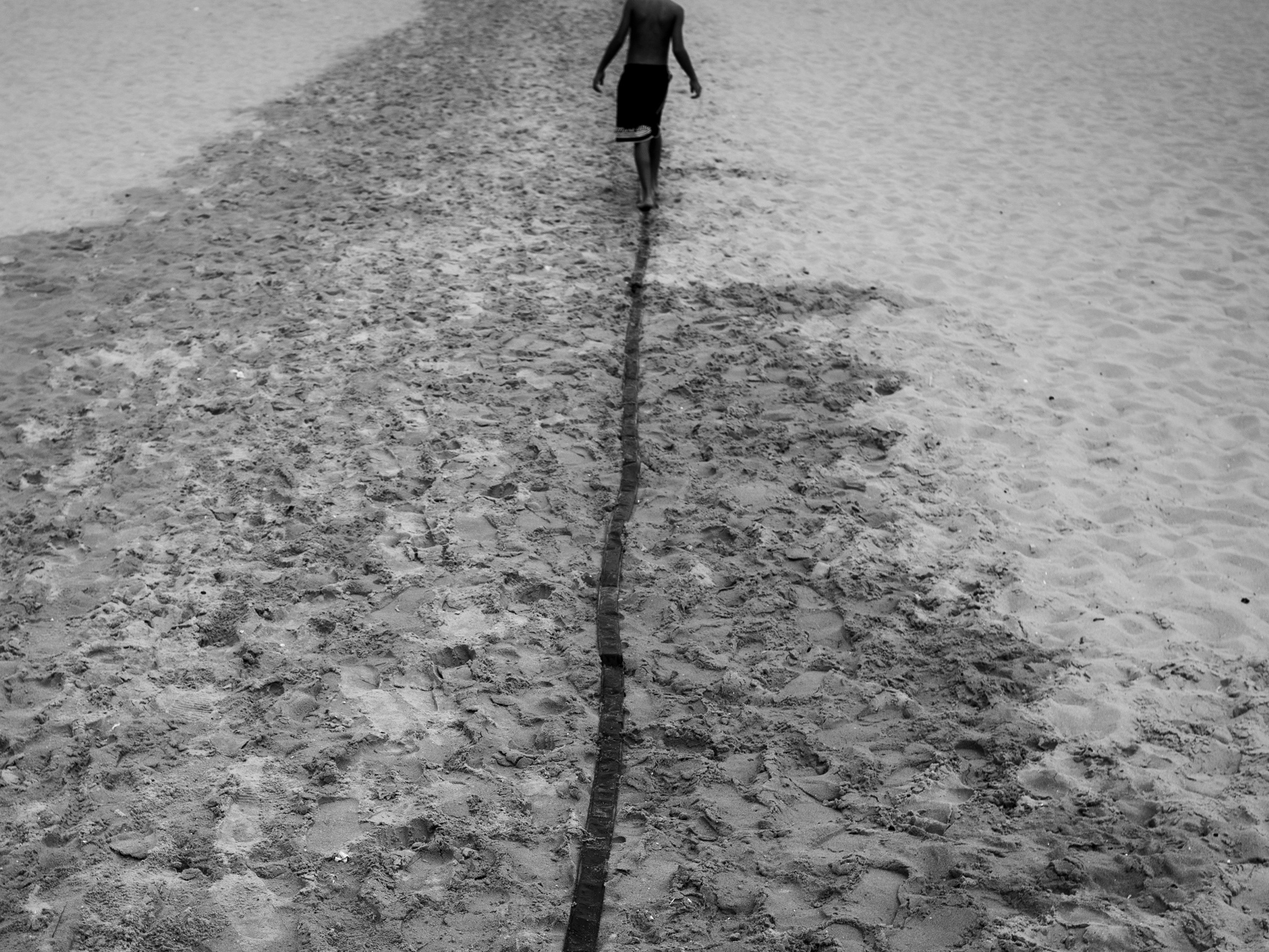
The 'Insulae' - from the Latin that gave rise to the word “isolation” - were the form of housing for people most disadvantaged in Ancient Rome. These buildings - whose construction was very fragile, which made them easy targets for collapse - they sheltered thousands of people in unsanitary conditions and at constant risk. No bathrooms, huddled together and isolated of each other, the people who lived in the 'insulae' did not even have an emergency exit.
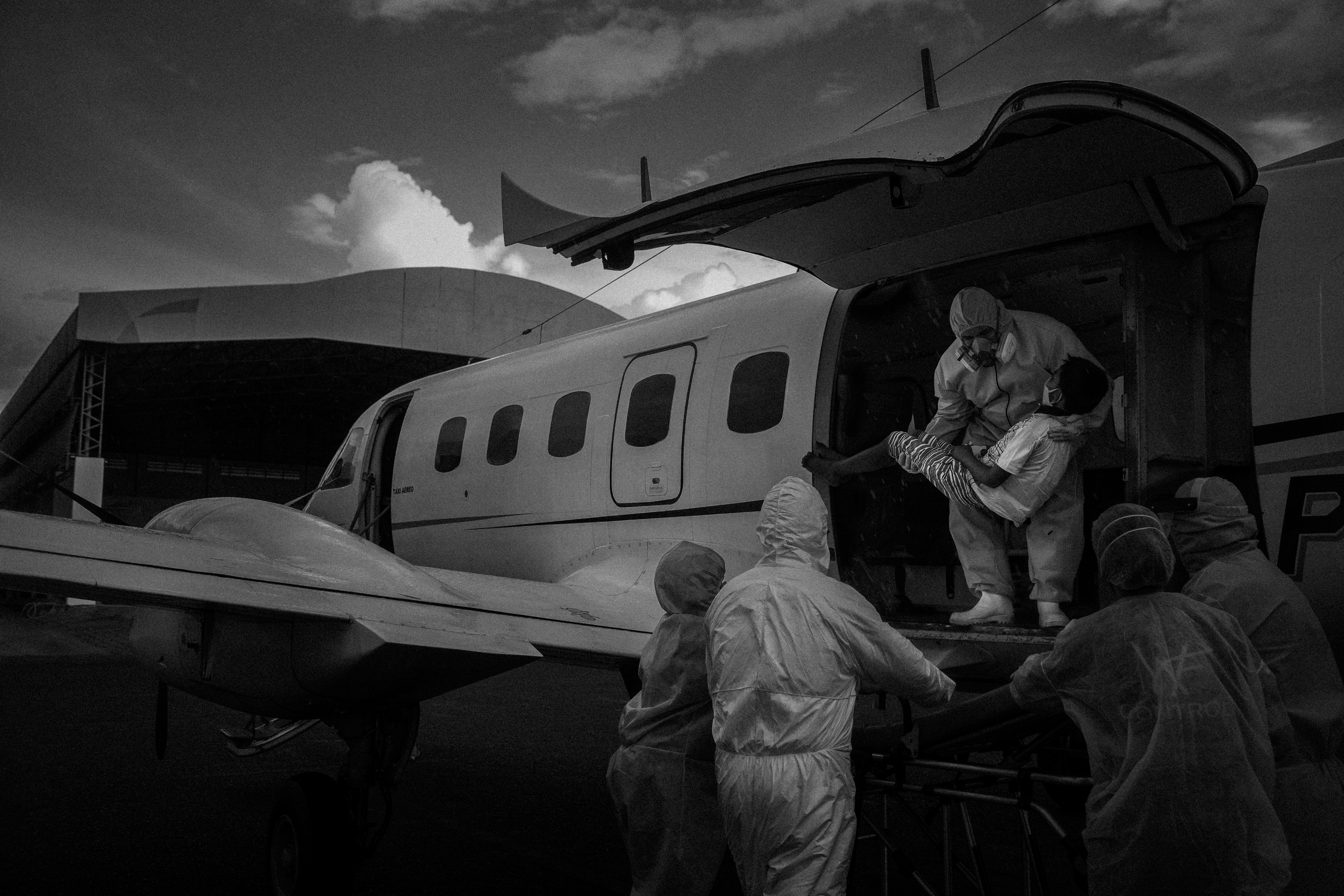
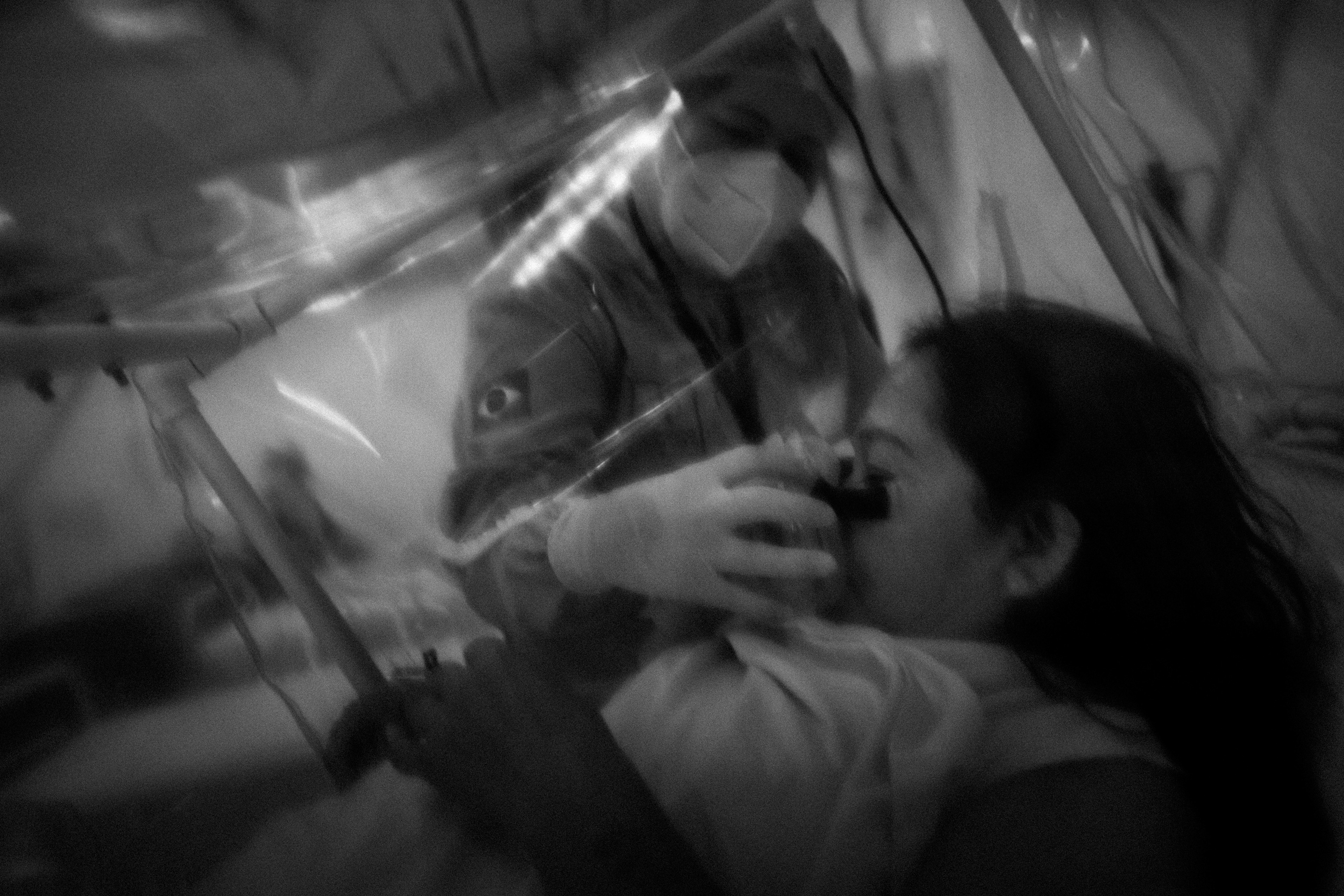
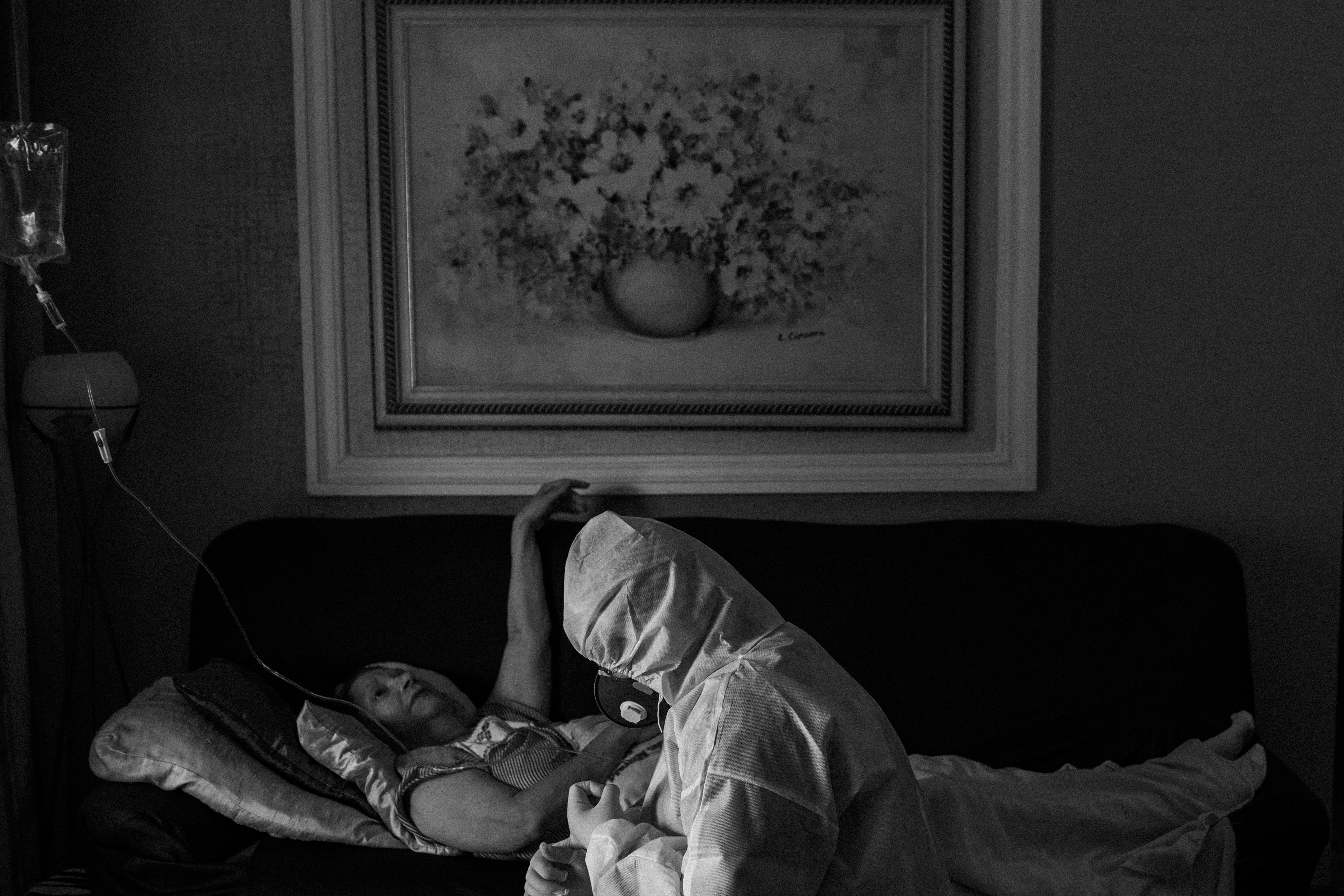
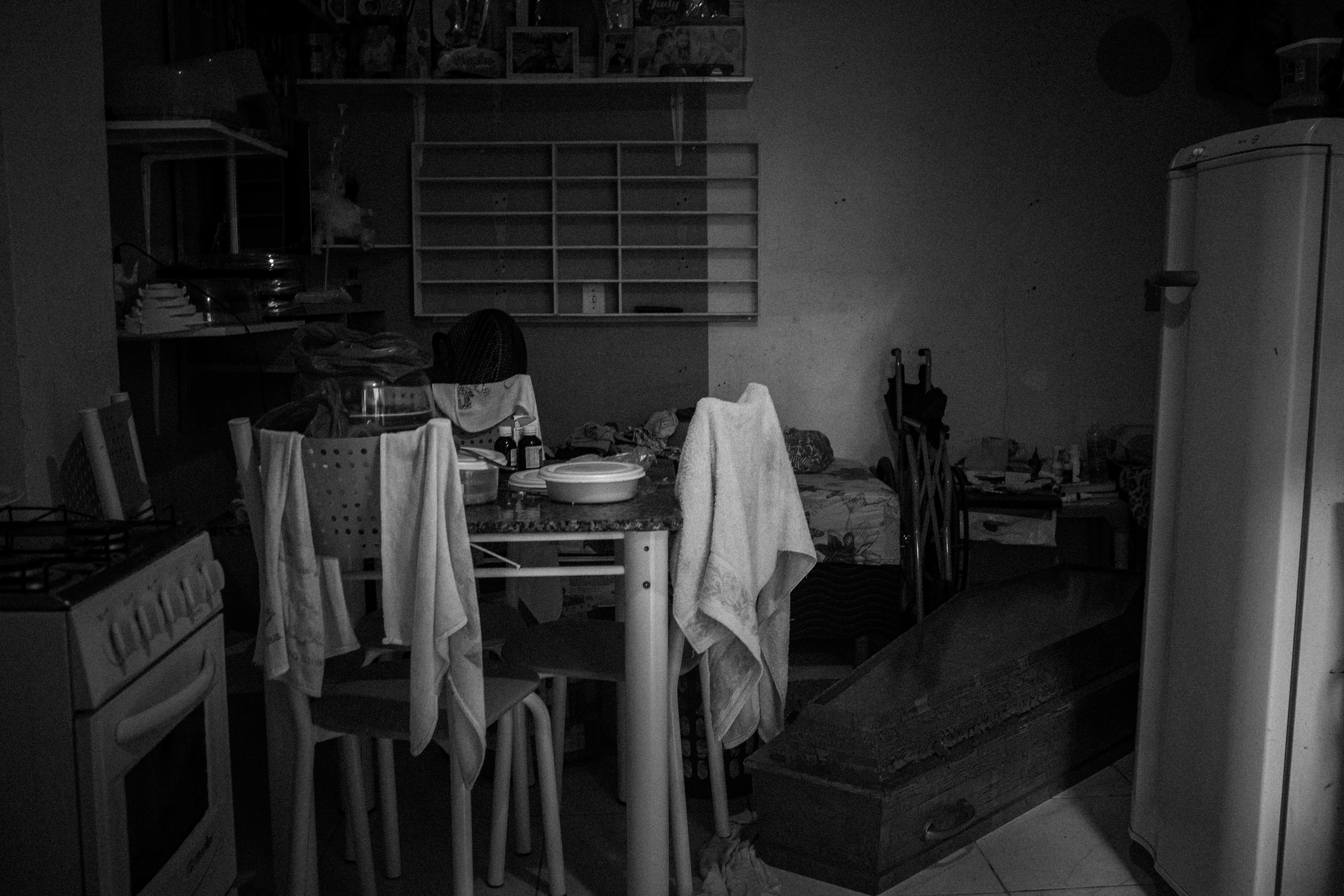
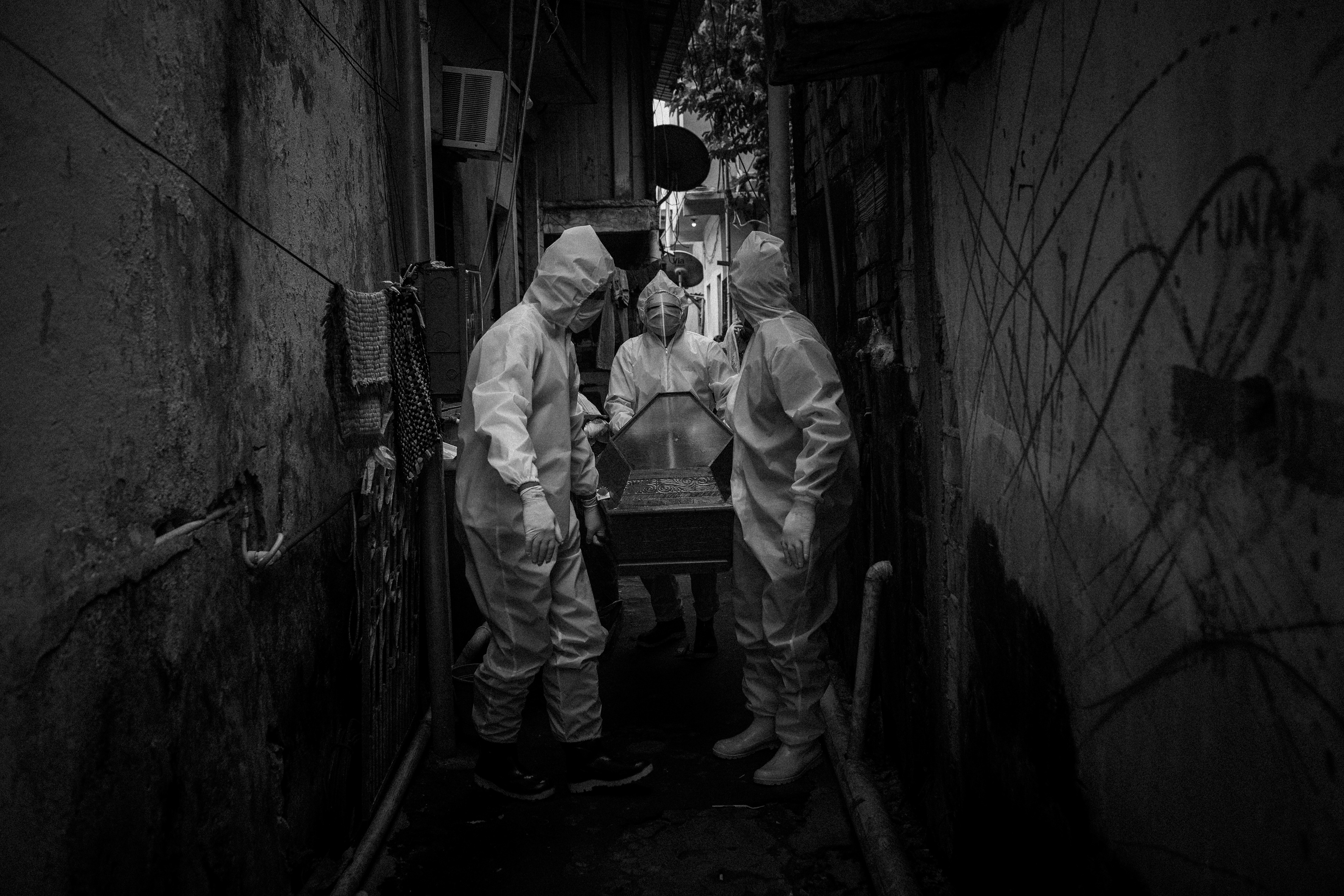
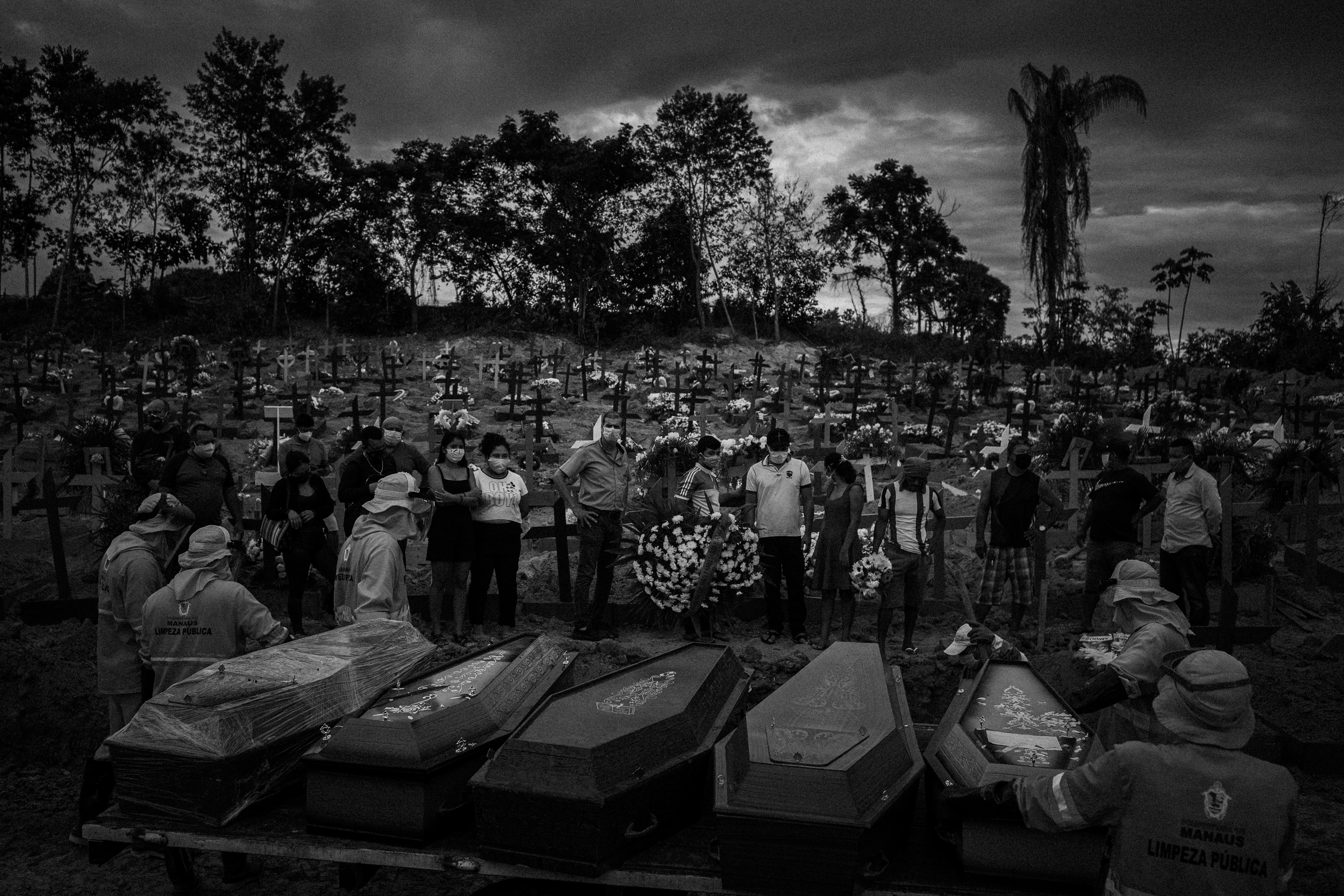
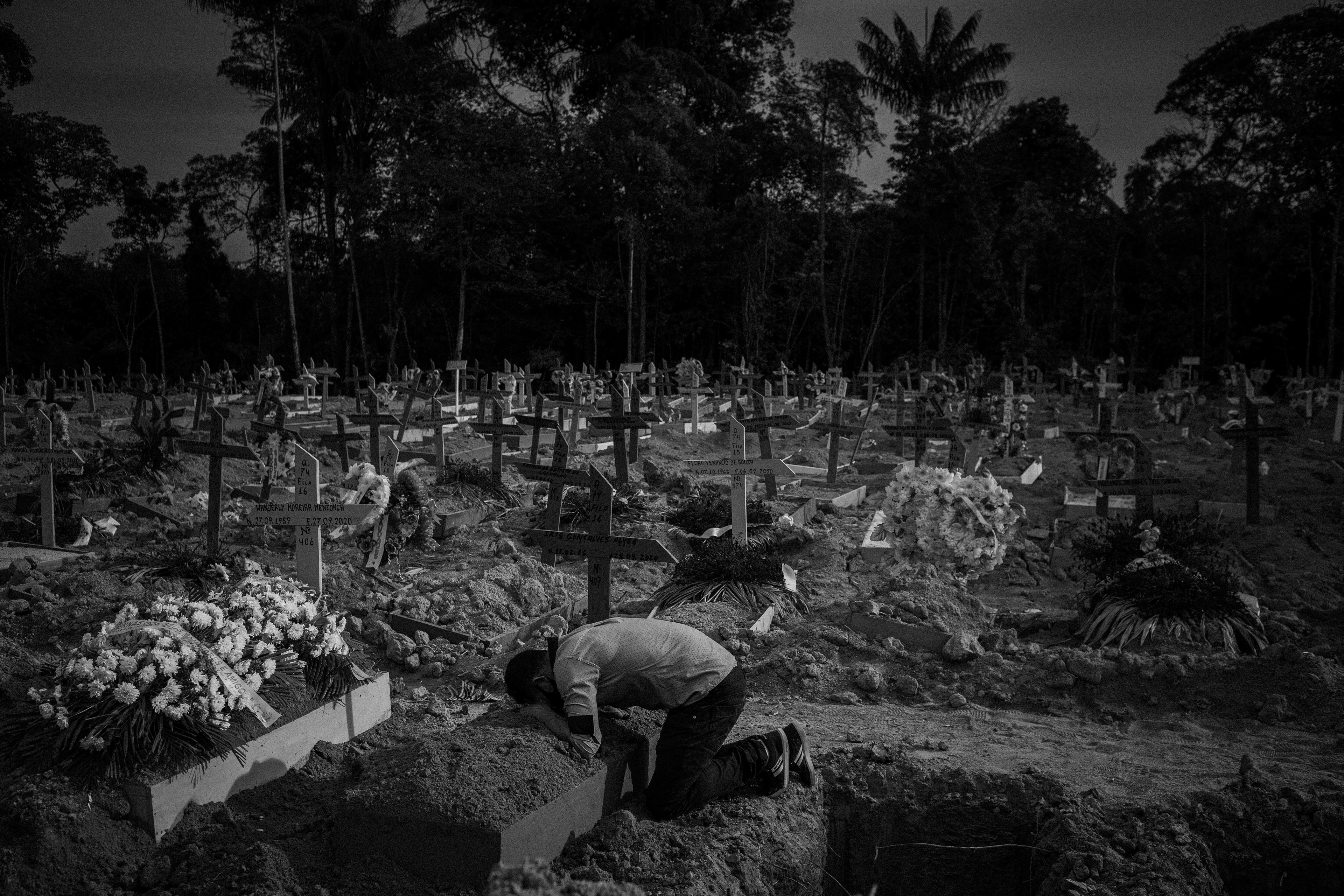
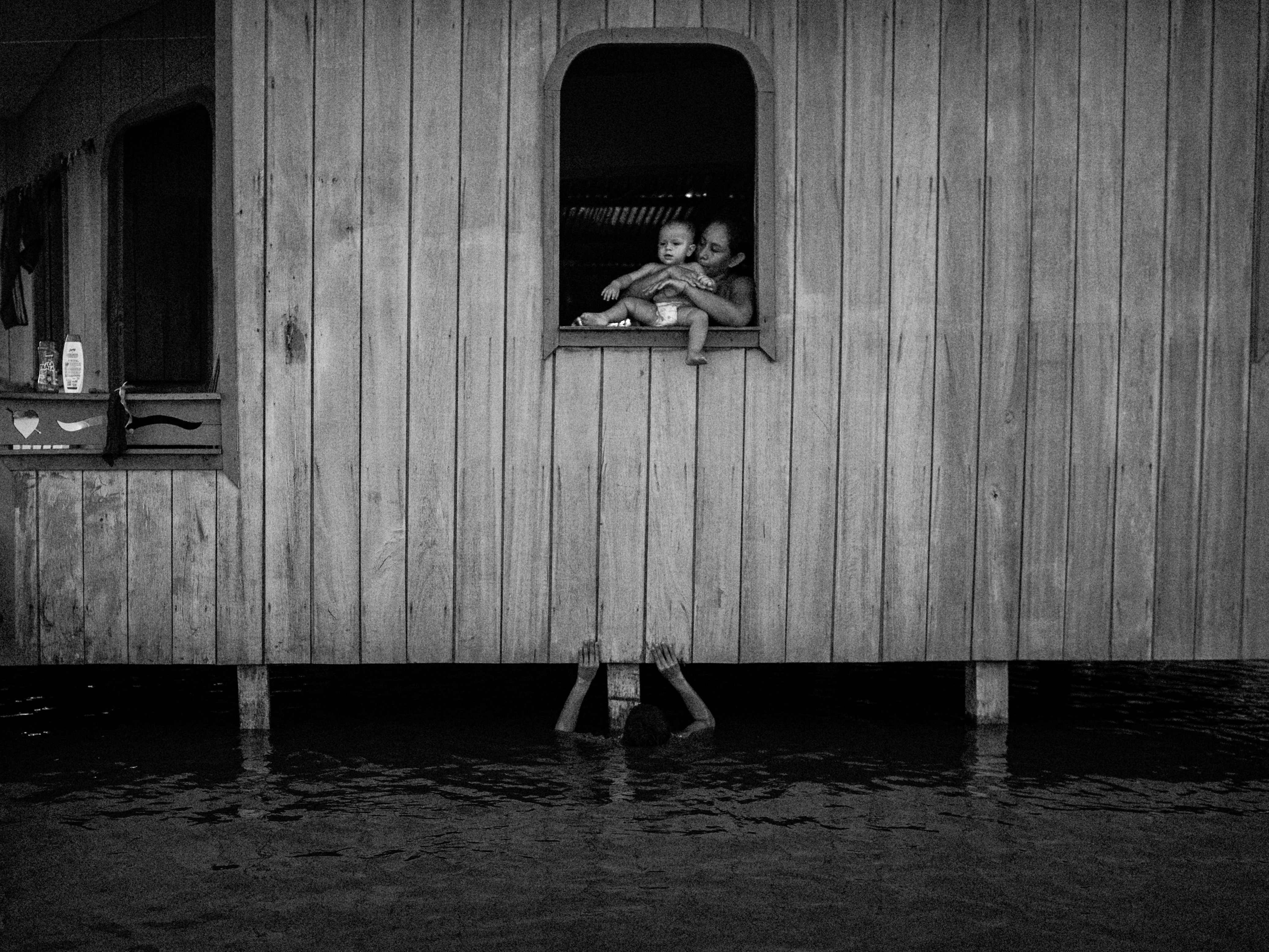
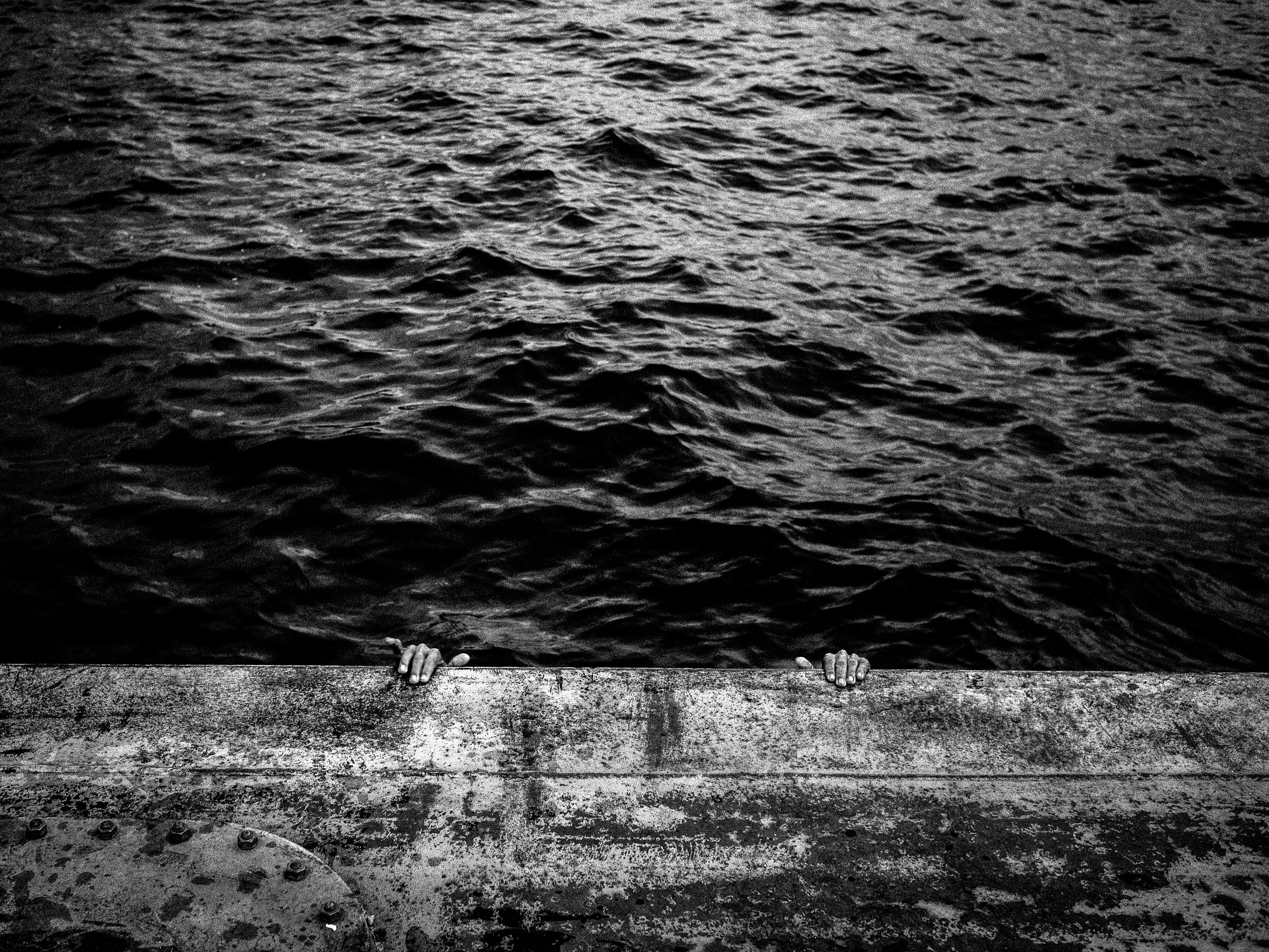
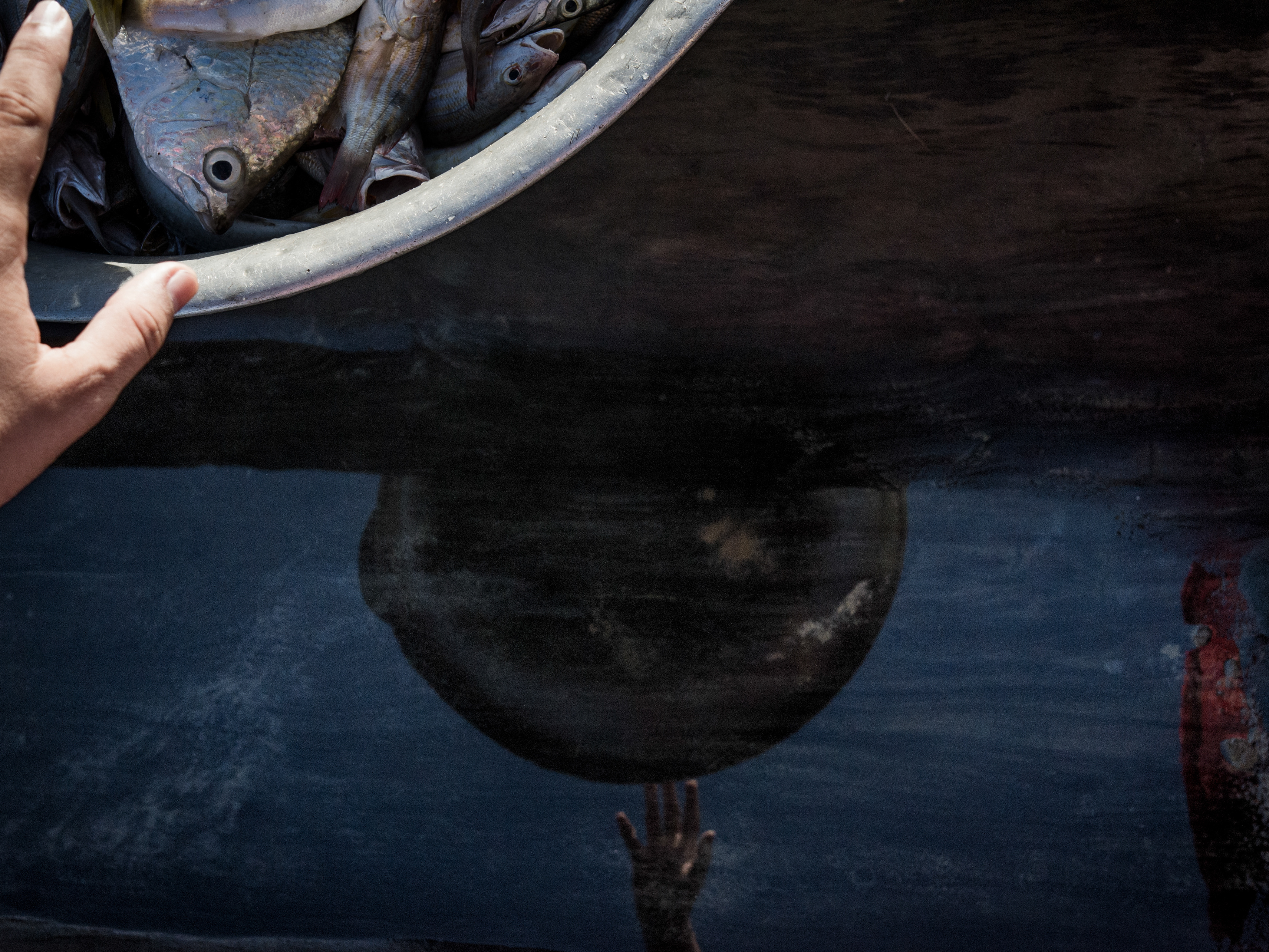
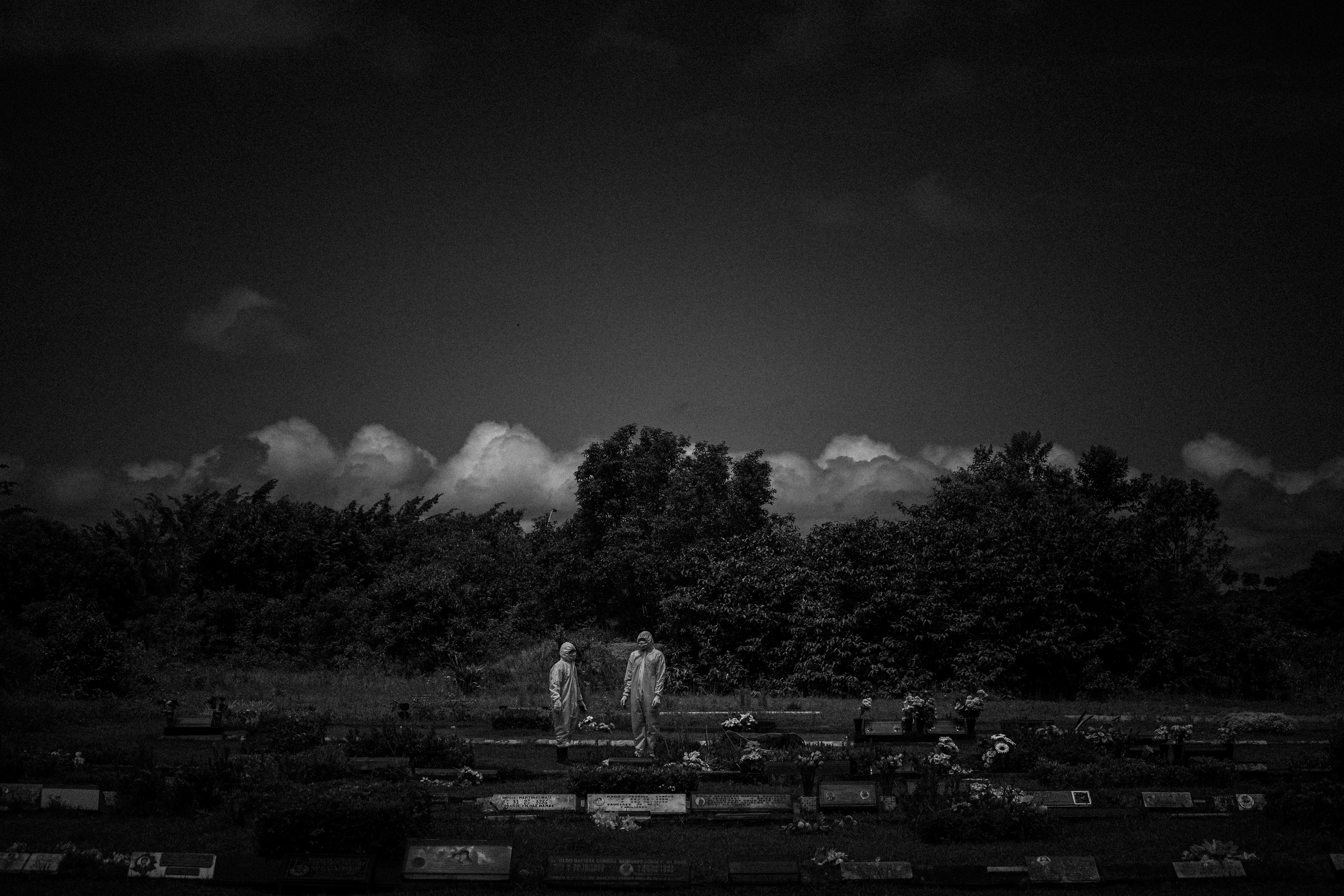
Lately, the problems of the Amazonas State, northern Brazil, have also kept it on the verge of collapse. But it was during a emergency situation - the Covid-19 pandemic - that socioeconomic inequalities and the lack of policies that peculiarities of the region showed the fragile structure of the largest state in the federation. The distances and difficulties of displacement, the lack of medium and high complexity health services in the municipalities of the interior, the lack of water and a minimally qualified sanitation system - a situation that persists during an outbreak in which the most effective and basic form of prevention is the act of washing hands - reflected directly in an unprecedented health crisis. Separated families who were unable to live their grief; native peoples and their cultures under constant threat; people dying in their homes without chances; collective burials in trenches; victims of the disease huddled in cold rooms allocated in hospitals: representations of an even more complex reality.
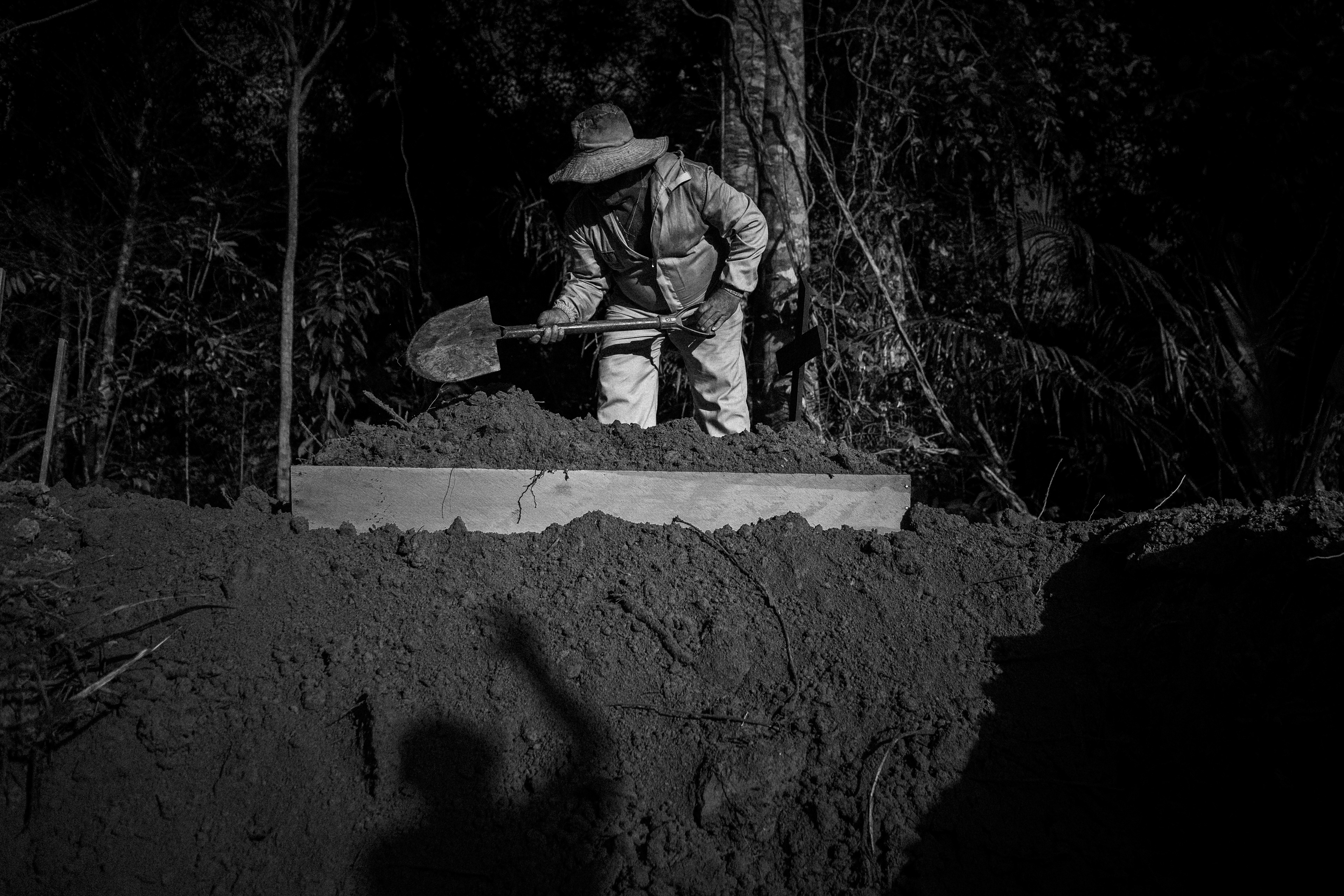
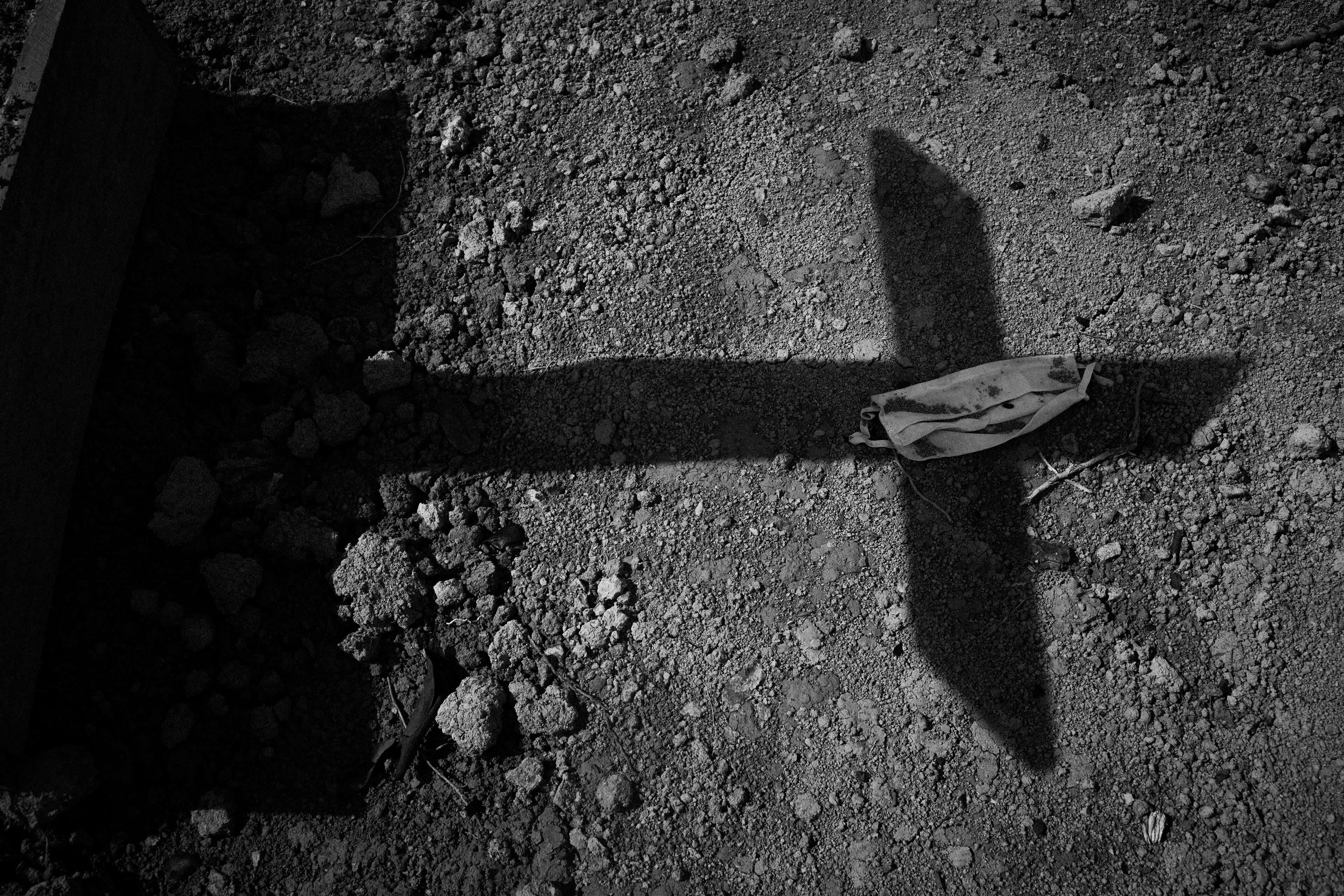
There was no way out for decades of wrong priorities. The bill arrived and, like the insulae, the Amazonas state experienced collapse. The pandemic and neglect took a huge toll: lives. Thousands of them now buried in that isolated peace of land in the Amazon.
Lately, the problems of the Amazonas State, northern Brazil, have also kept it on the verge of collapse. But it was during a emergency situation - the Covid-19 pandemic - that socioeconomic inequalities and the lack of policies that peculiarities of the region showed the fragile structure of the largest state in the federation. The distances and difficulties of displacement, the lack of medium and high complexity health services in the municipalities of the interior, the lack of water and a minimally qualified sanitation system - a situation that persists during an outbreak in which the most effective and basic form of prevention is the act of washing hands - reflected directly in an unprecedented health crisis. Separated families who were unable to live their grief; native peoples and their cultures under constant threat; people dying in their homes without chances; collective burials in trenches; victims of the disease huddled in cold rooms allocated in hospitals: representations of an even more complex reality.
There was no way out for decades of wrong priorities. The bill arrived and, like the insulae, the Amazonas state experienced collapse. The pandemic and neglect took a huge toll: lives. Thousands of them now buried in that isolated peace of land in the Amazon.