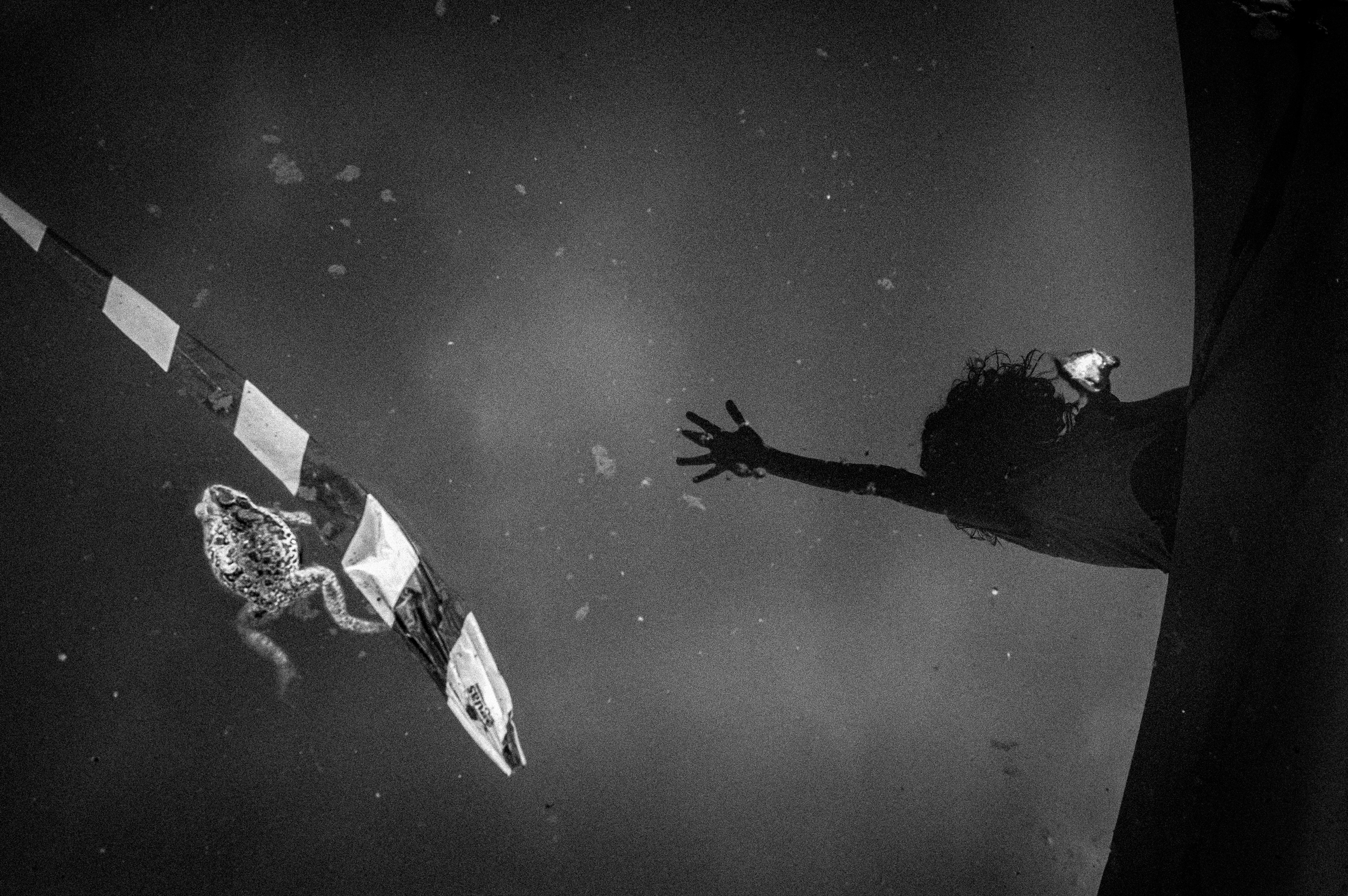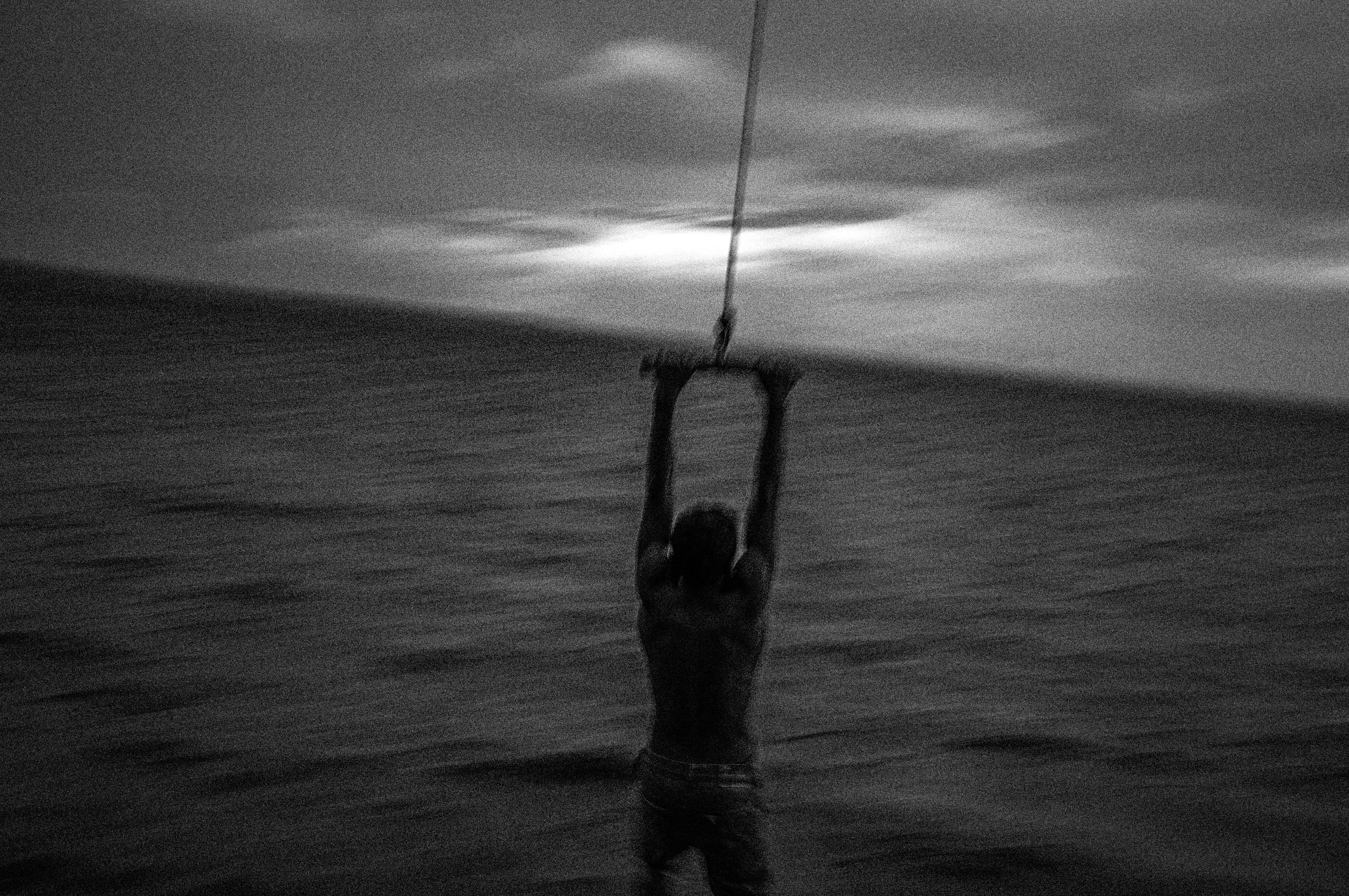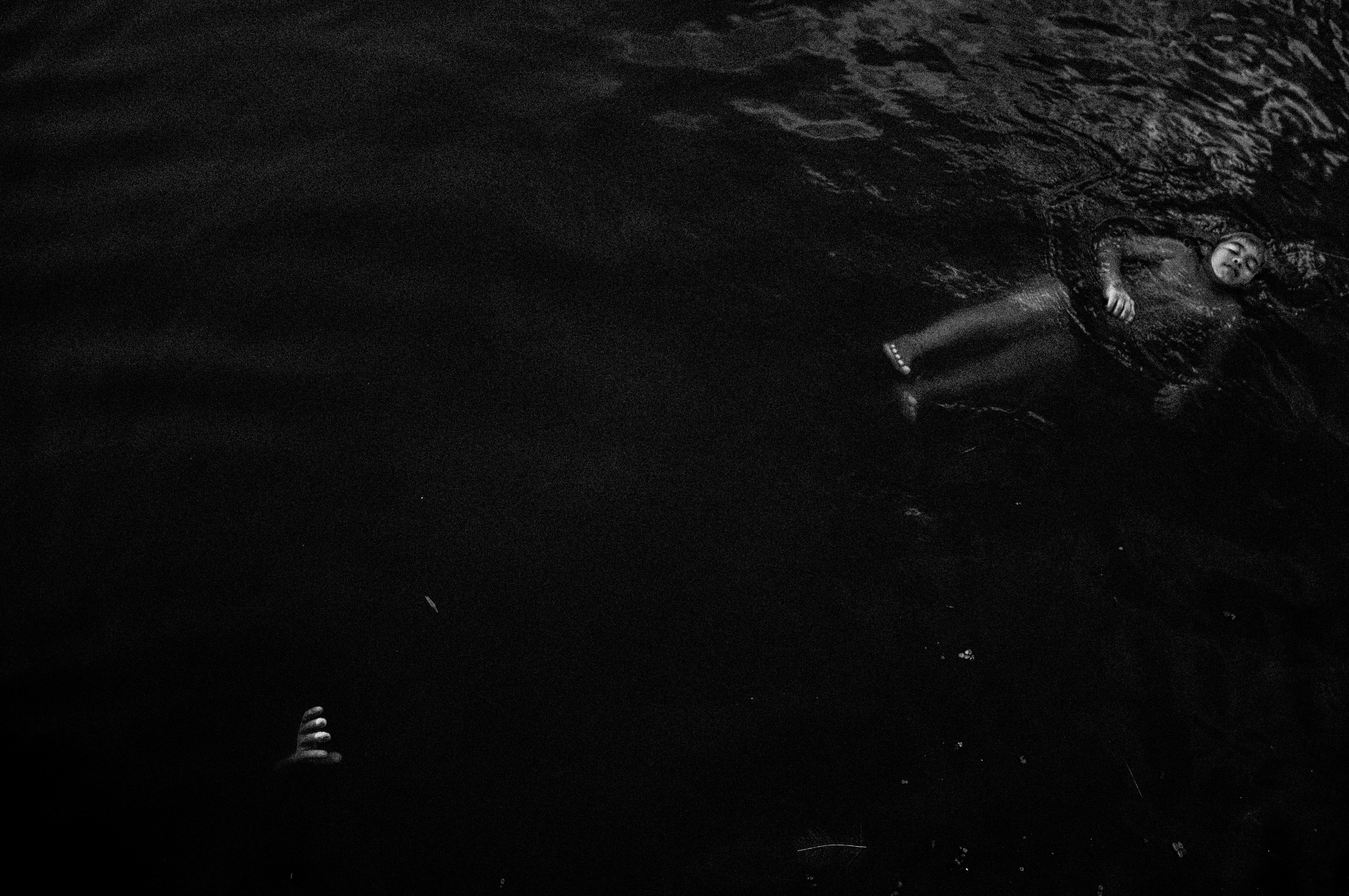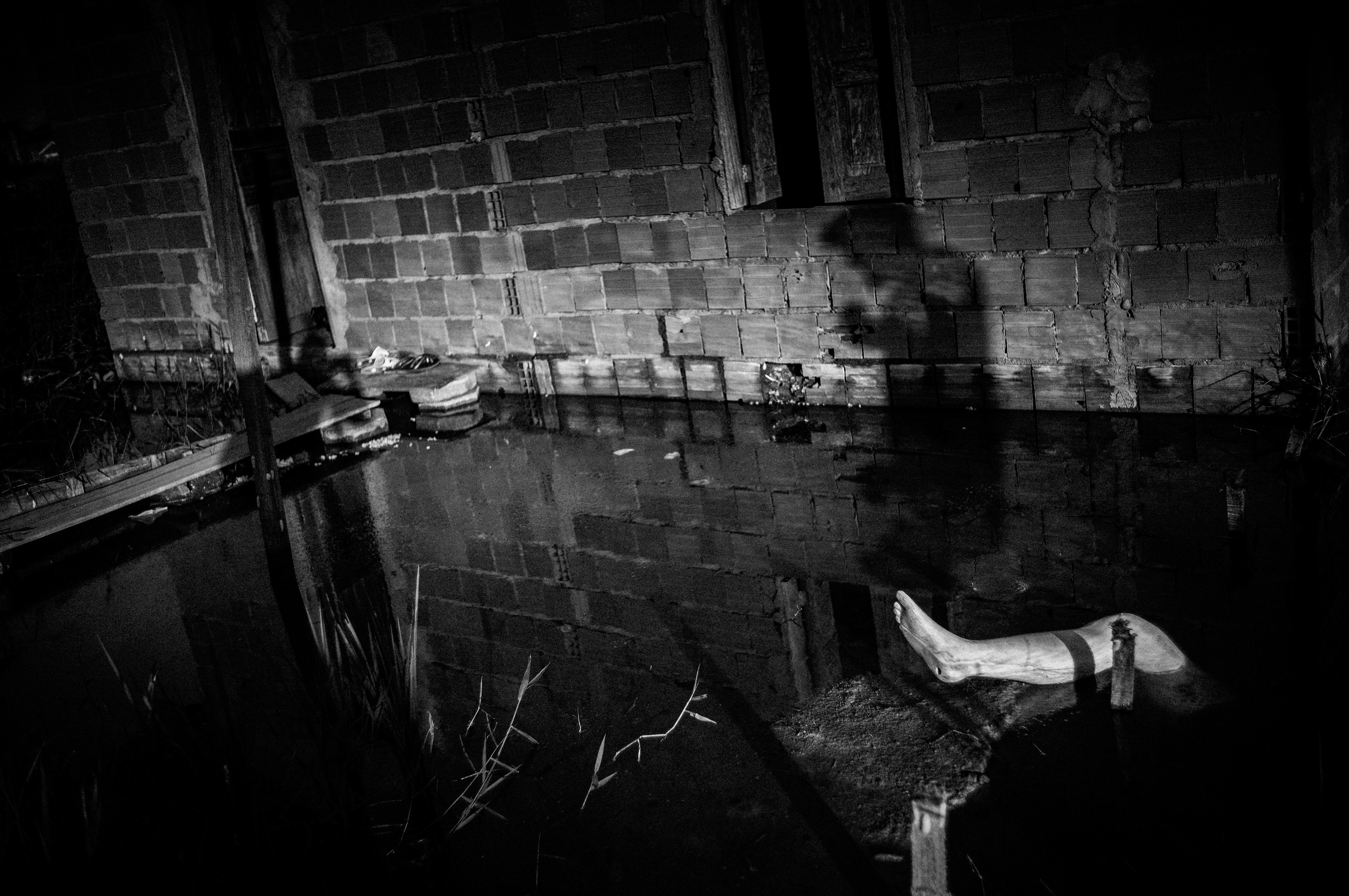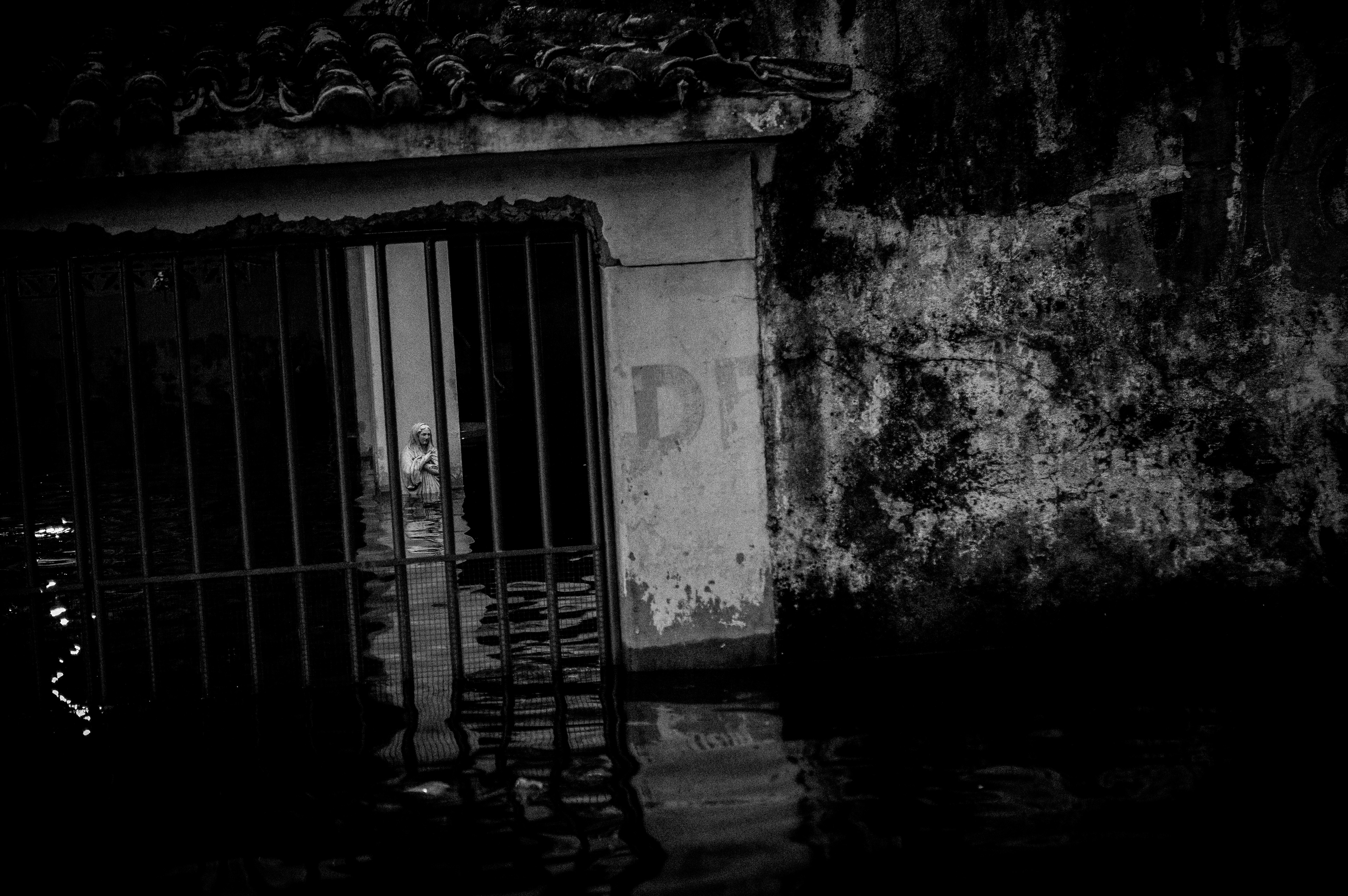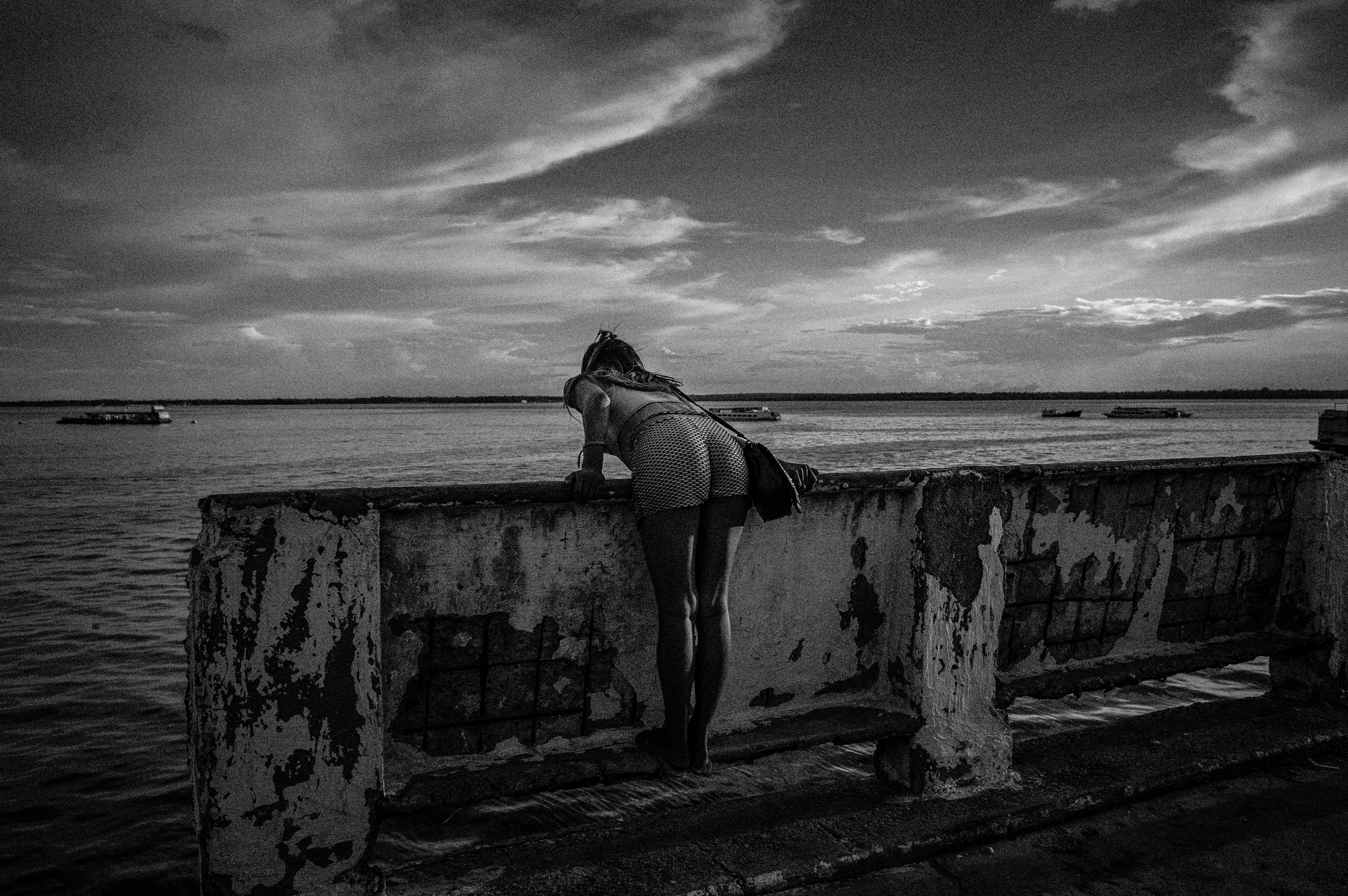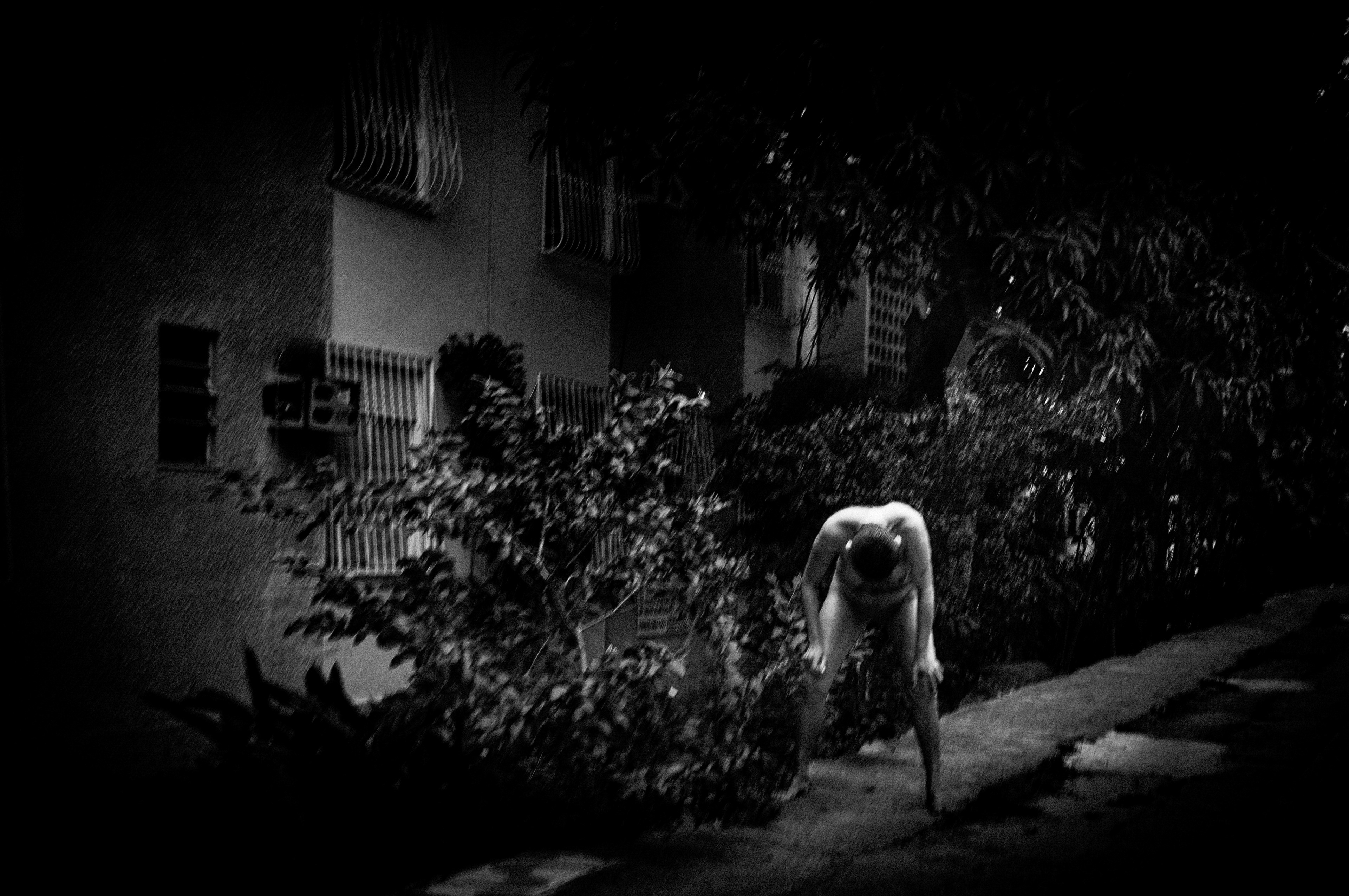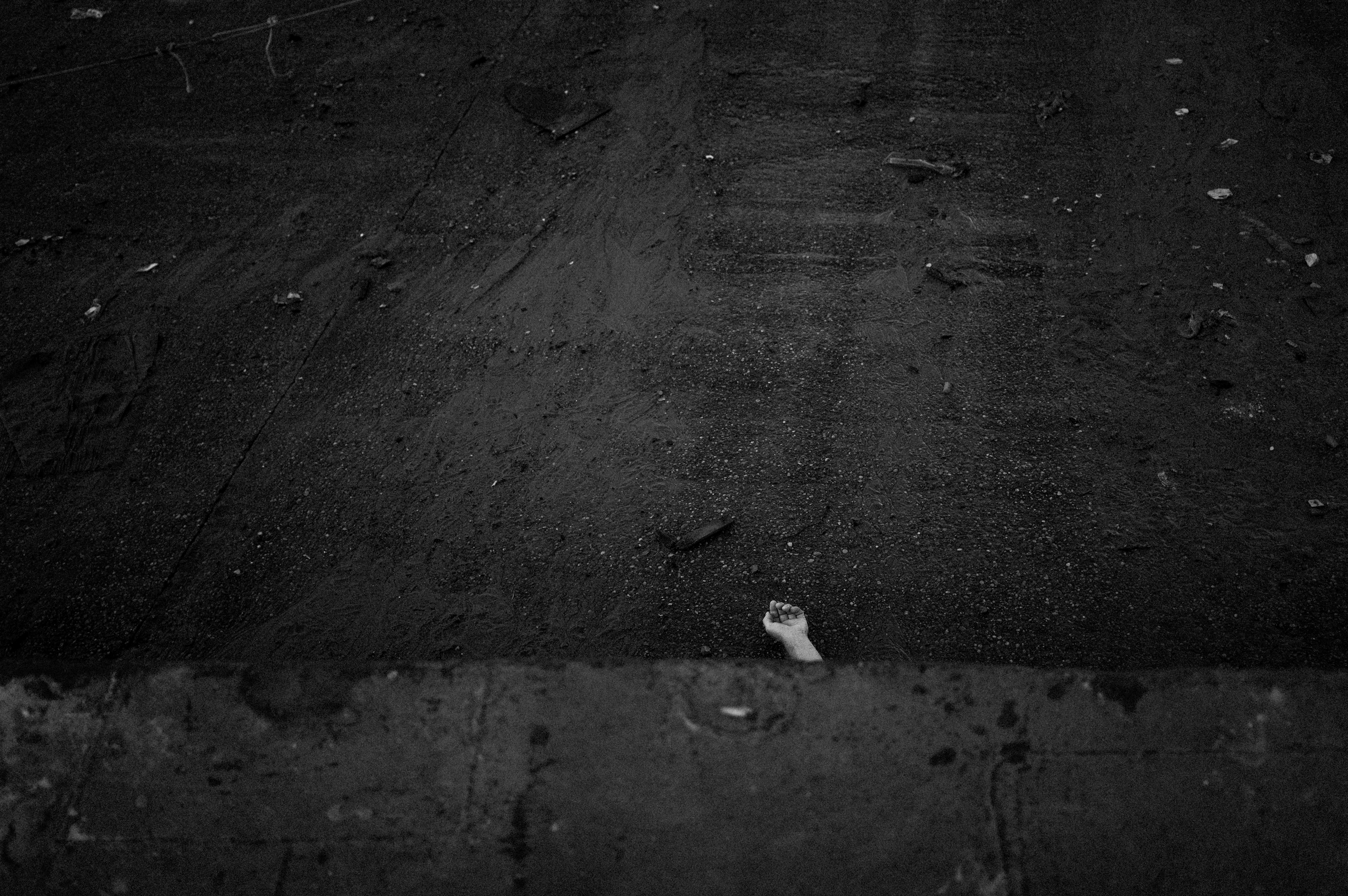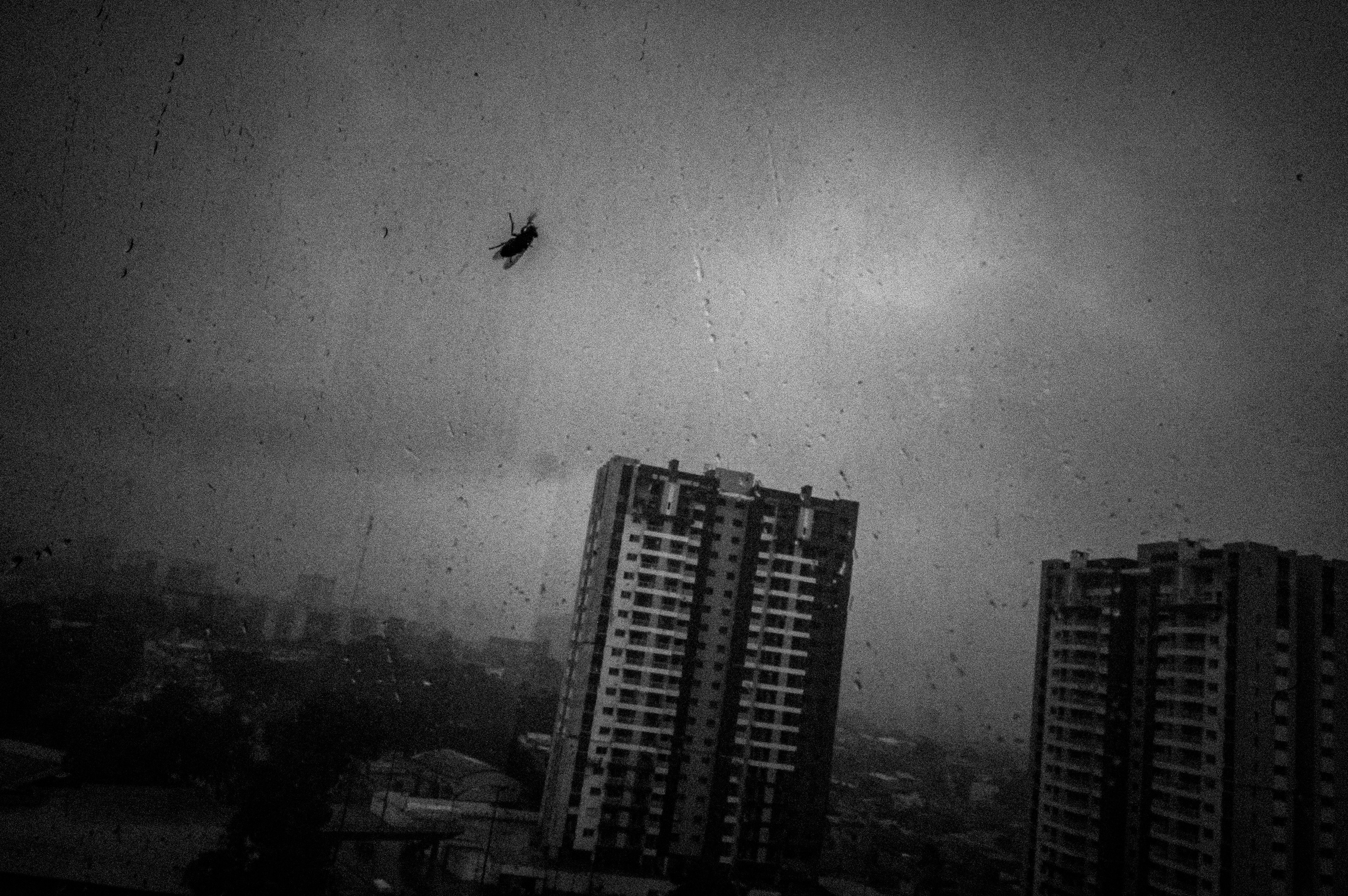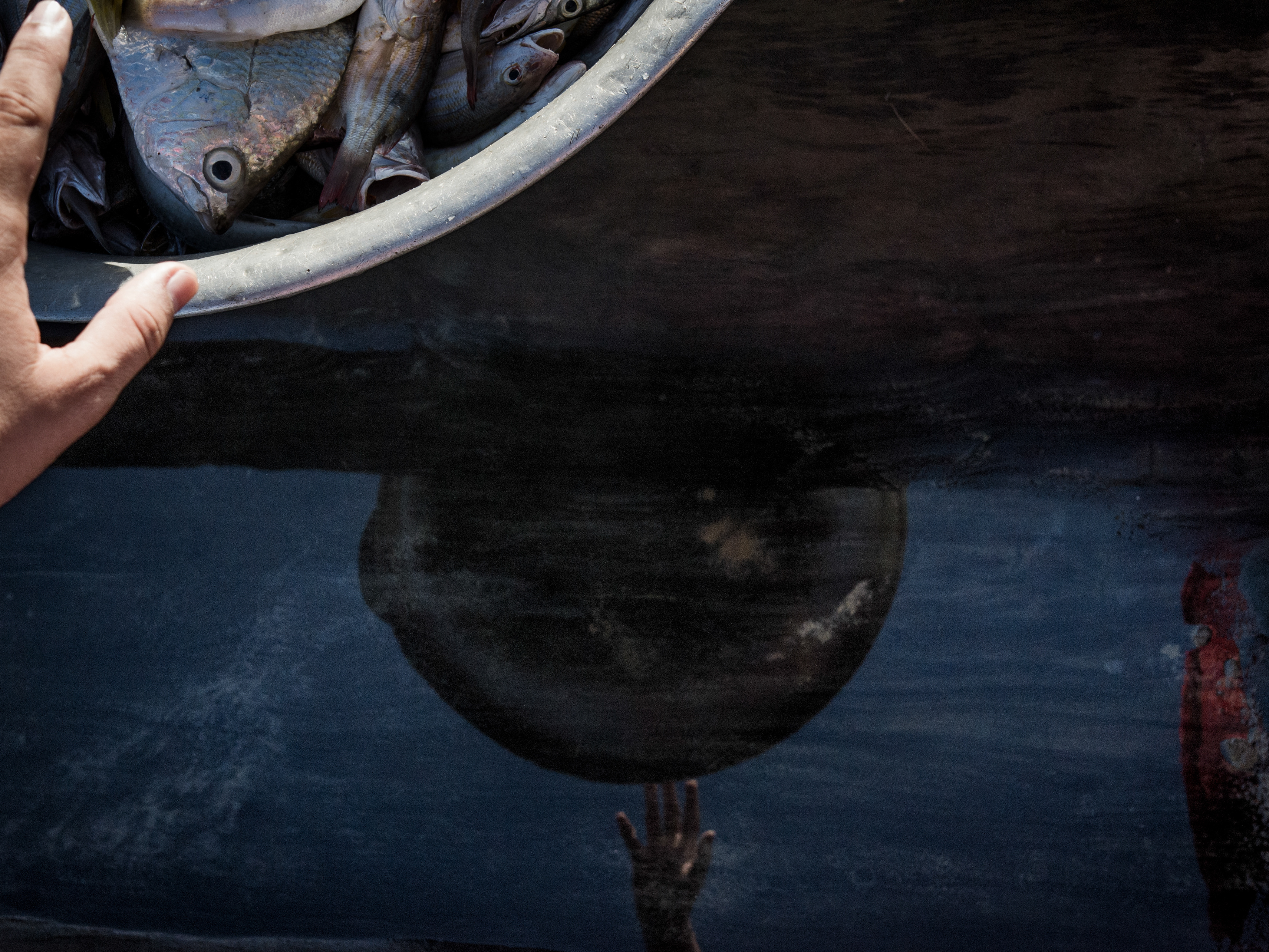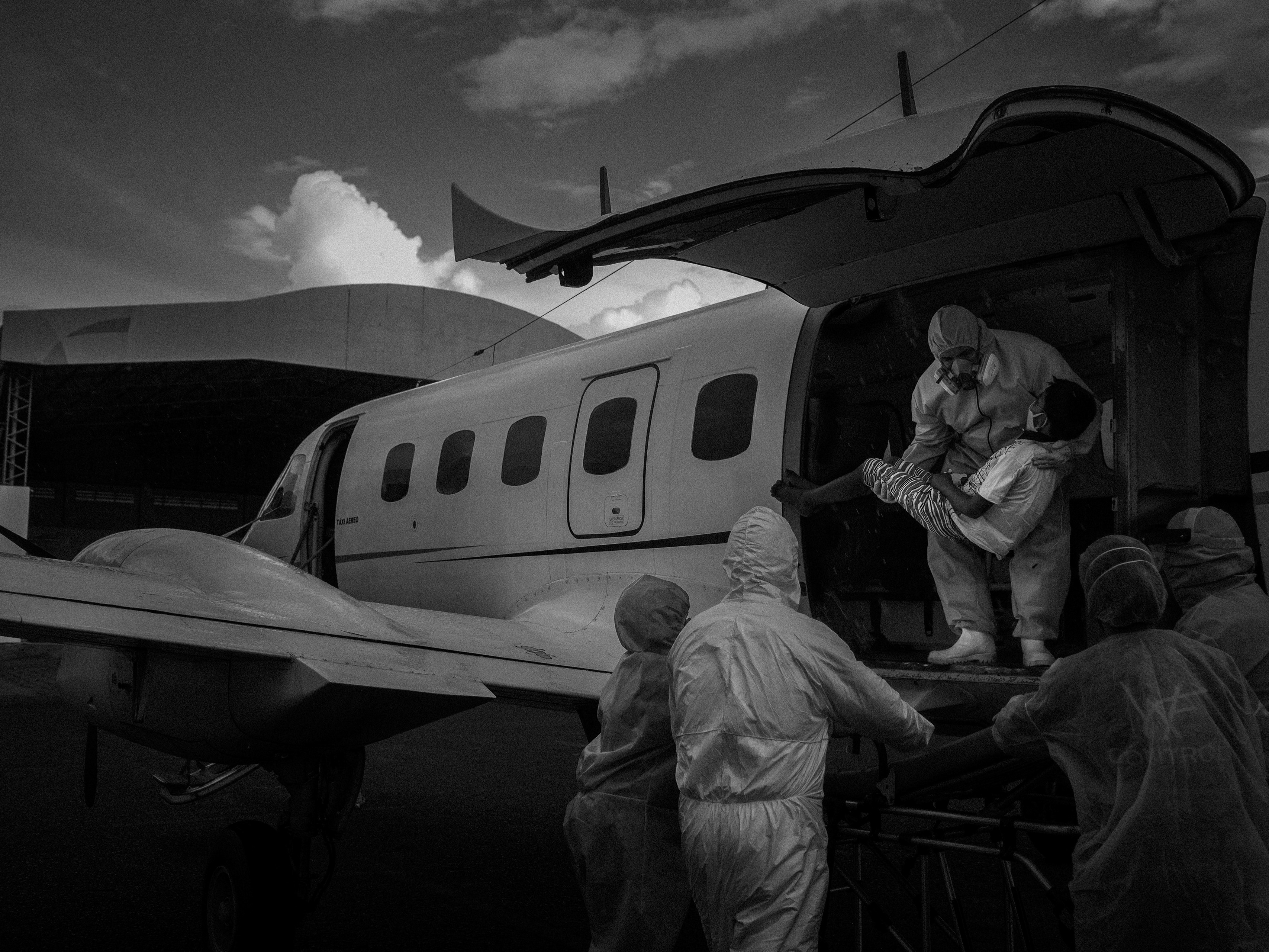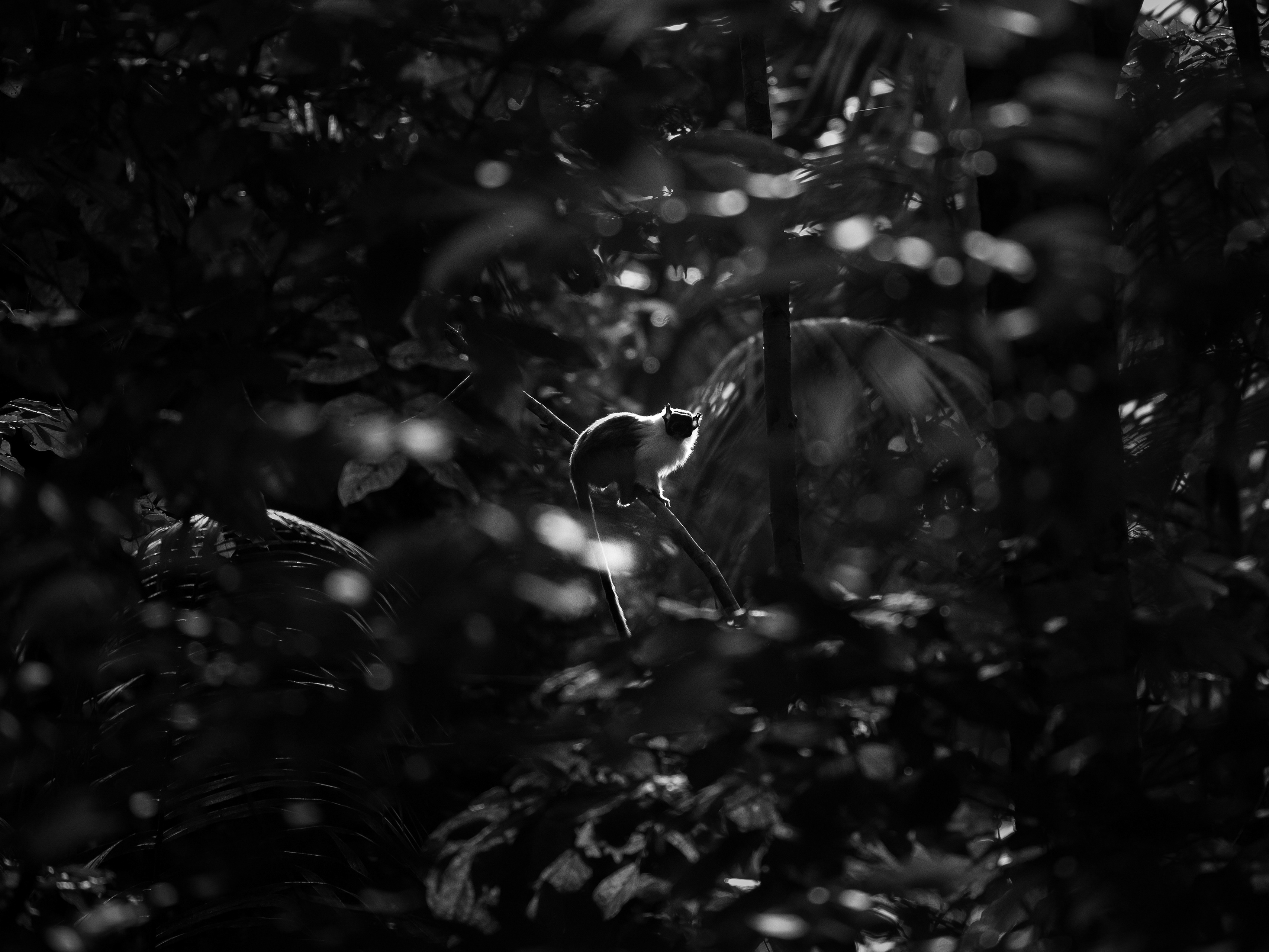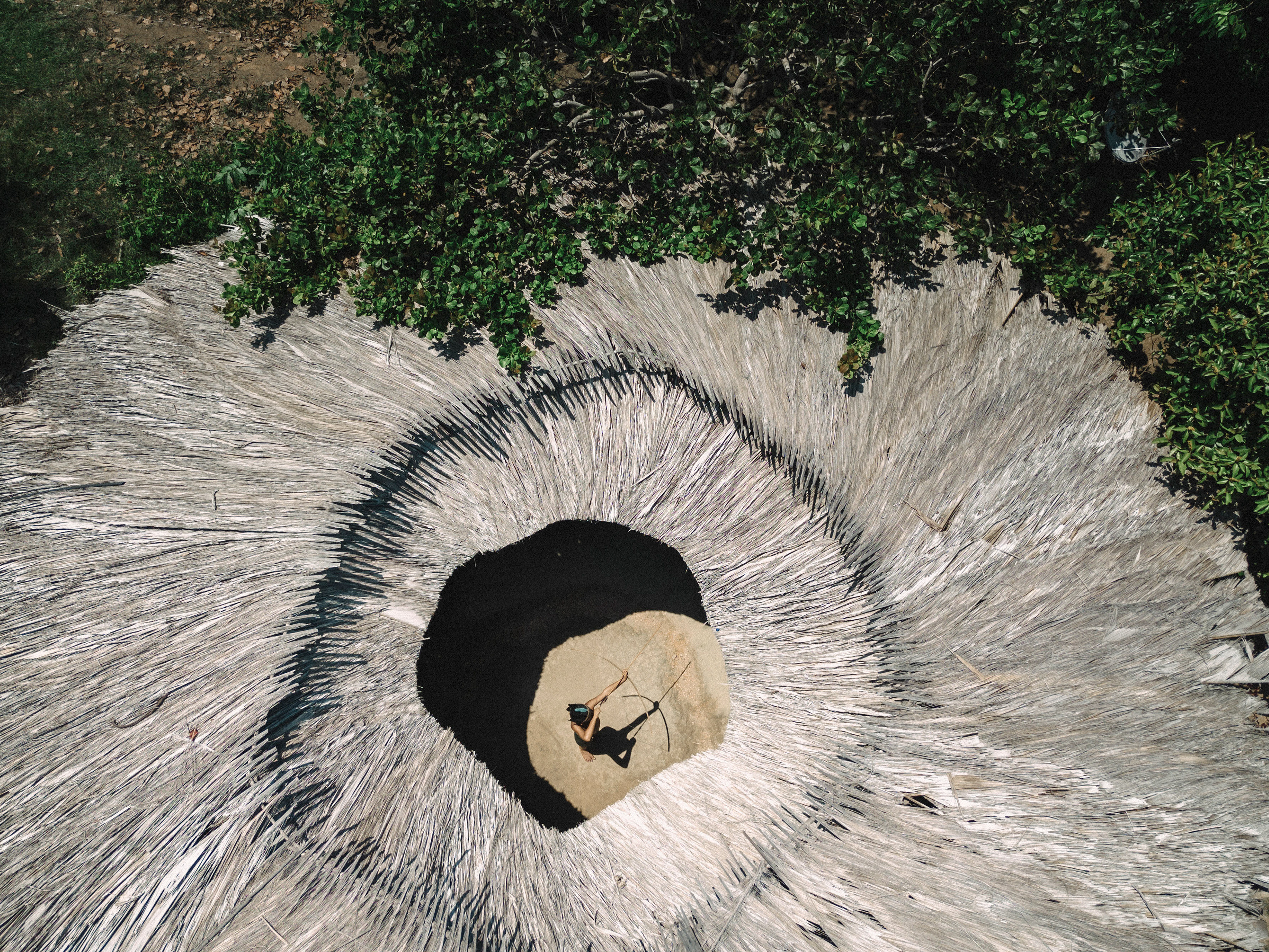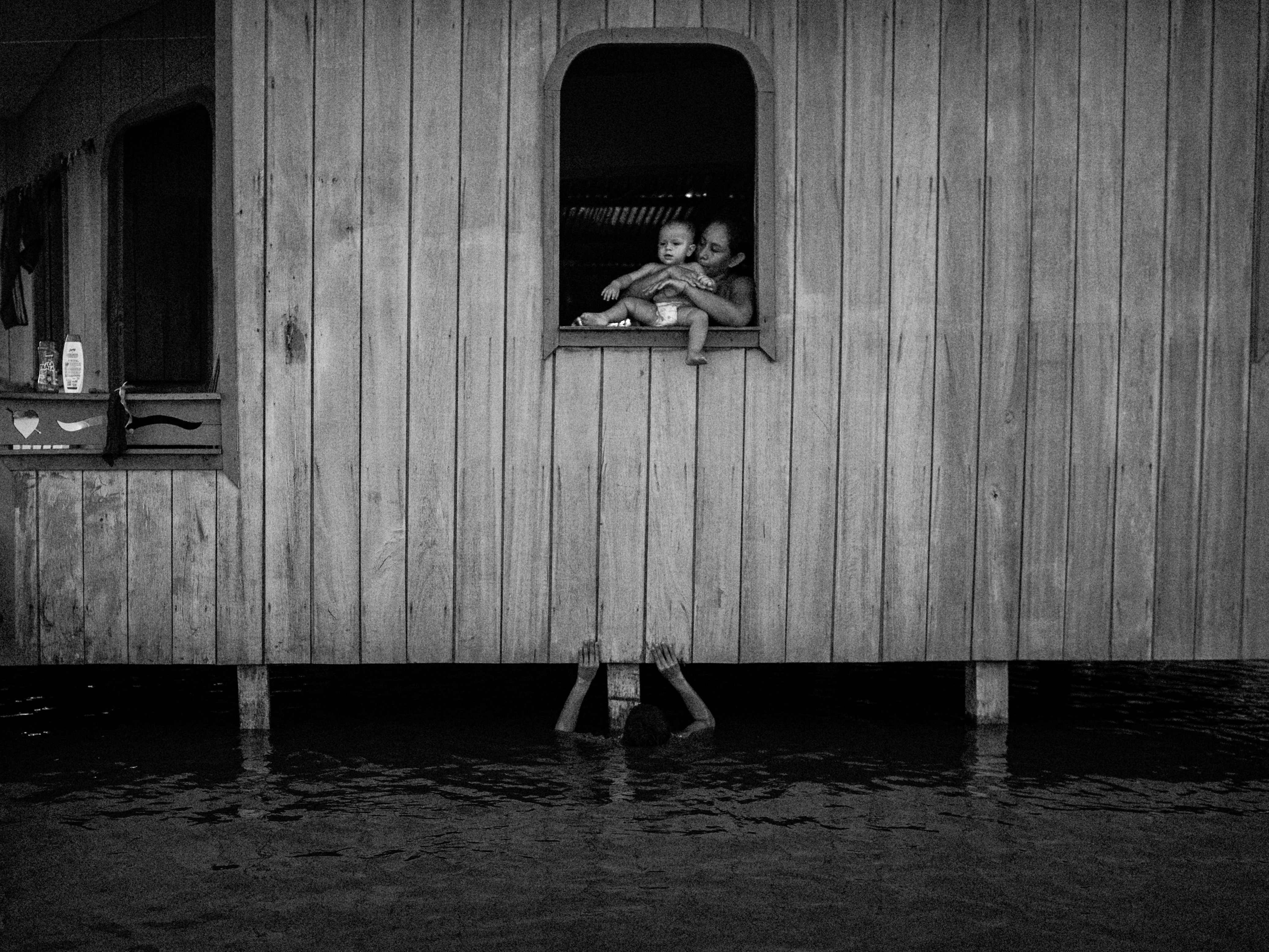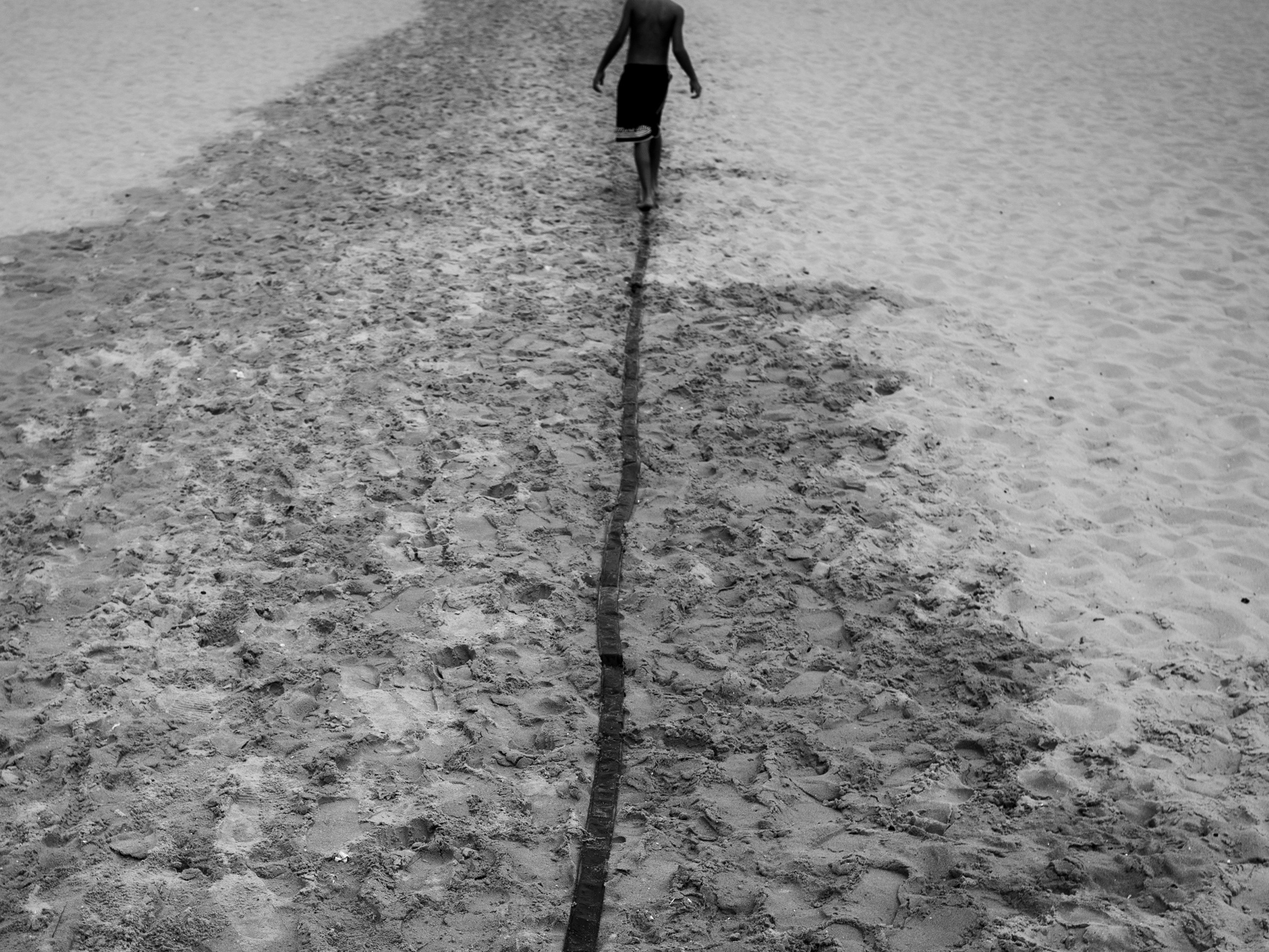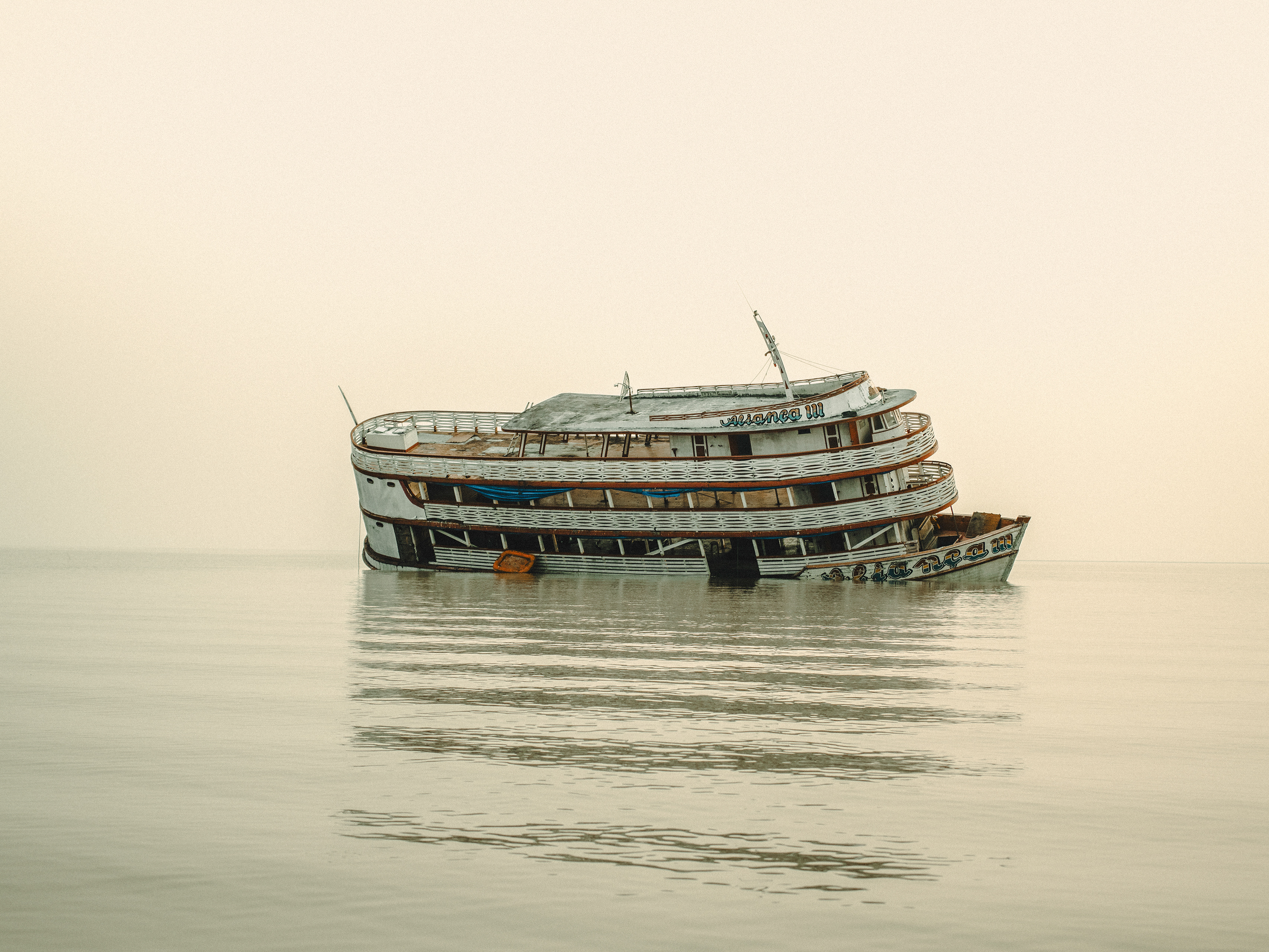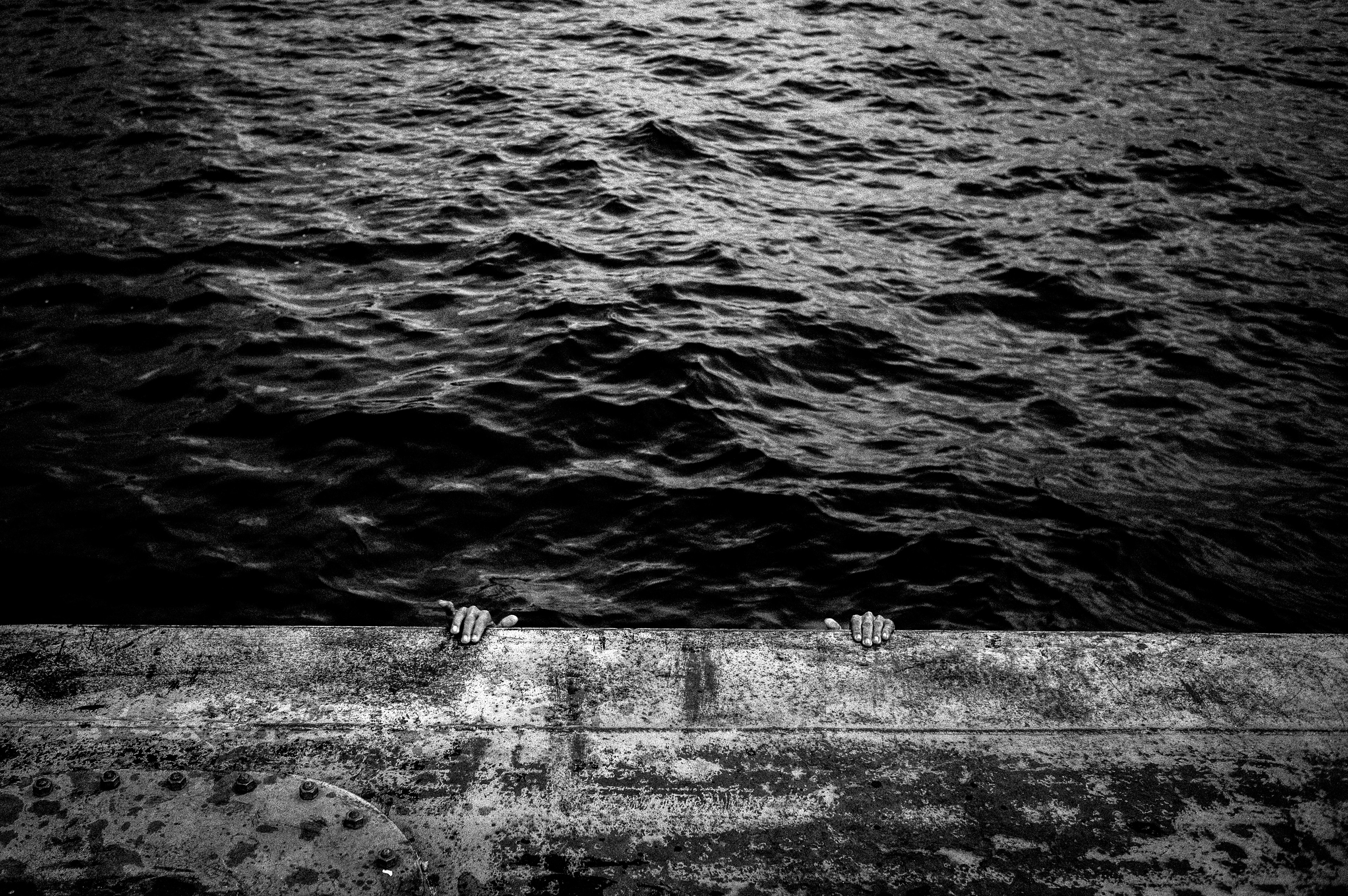
Riversick is a work about how people, nature, and the urban environment share space in Manaus (the author's hometown in Amazonas, Brazil) and its surroundings: the supposed metropolitan region of Manaus. It is, rather, a reflection on the author-place relationship: it explores how the author relates to the various possible (and impossible) Manaus. Not only the city he inhabits, but also those that inhabit him.
Manaus is the largest city in the Amazon region: more than two million inhabitants. Although it is located on the banks of the Rio Negro and near its confluence with the Rio Solimões (which marks the source of the Amazon River), it was not planned for growth. The pollution of its waterways is clear evidence of this. Furthermore, despite being built in the heart of the Amazon, it is one of the least forested capital cities in the country: concrete is always prioritized over vegetation. Manaus is a large city that seems to have turned its back on its most defining characteristic: nature. The presence of a once-prosperous free trade zone led Manaus to be considered a true paradise by people from other regions of the country and the world. The lack of effective and sustainable policies to absorb all this pressure—which exacerbated the city's own problems—still directly influences this complex relationship between the city and nature.
This vision of life in Manaus reveals the encroachment on spaces that were once green, even marginalizing poverty in these areas. It also evokes images of disorder, pollution, and various facets of urban social problems, aspects that constantly challenge the identity of this corner of the world. Is the author's gaze focused on the city that seemed so small to him in his childhood or on the suffocating "proto-metropolis" with all the pressures inherent in large cities?
The title of the work comes from a paronomasia that explains the author's mixed feelings about his homeland. The dizziness caused by the chaos of living in a big city, combined with nostalgia, which in the author's memory evokes a cozy home, takes on a new meaning on the riverbanks. One or more Manaus—lived, felt, suffered, dreamed, or idealized—translate into a unique and very personal feeling for the author: “Riversick”