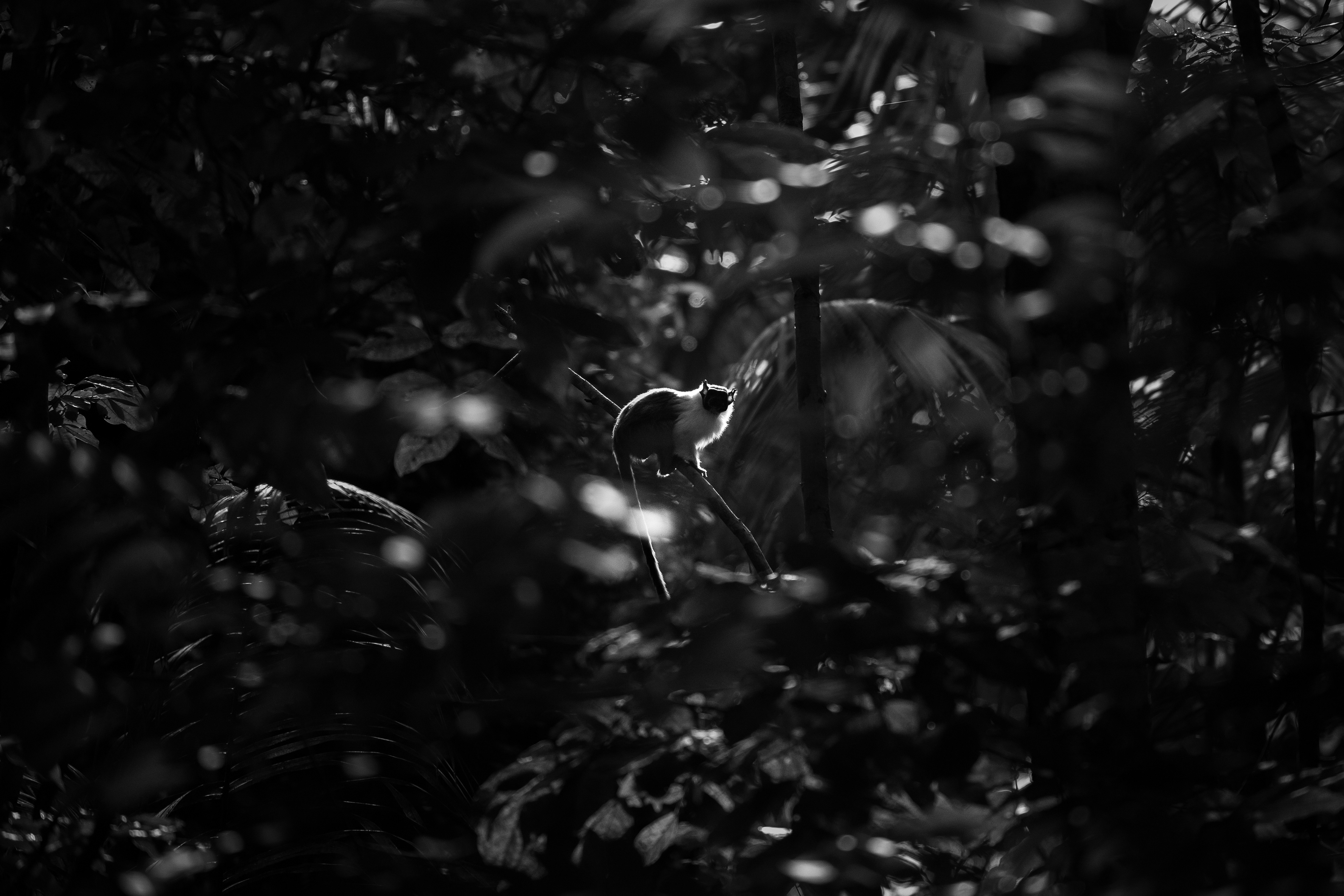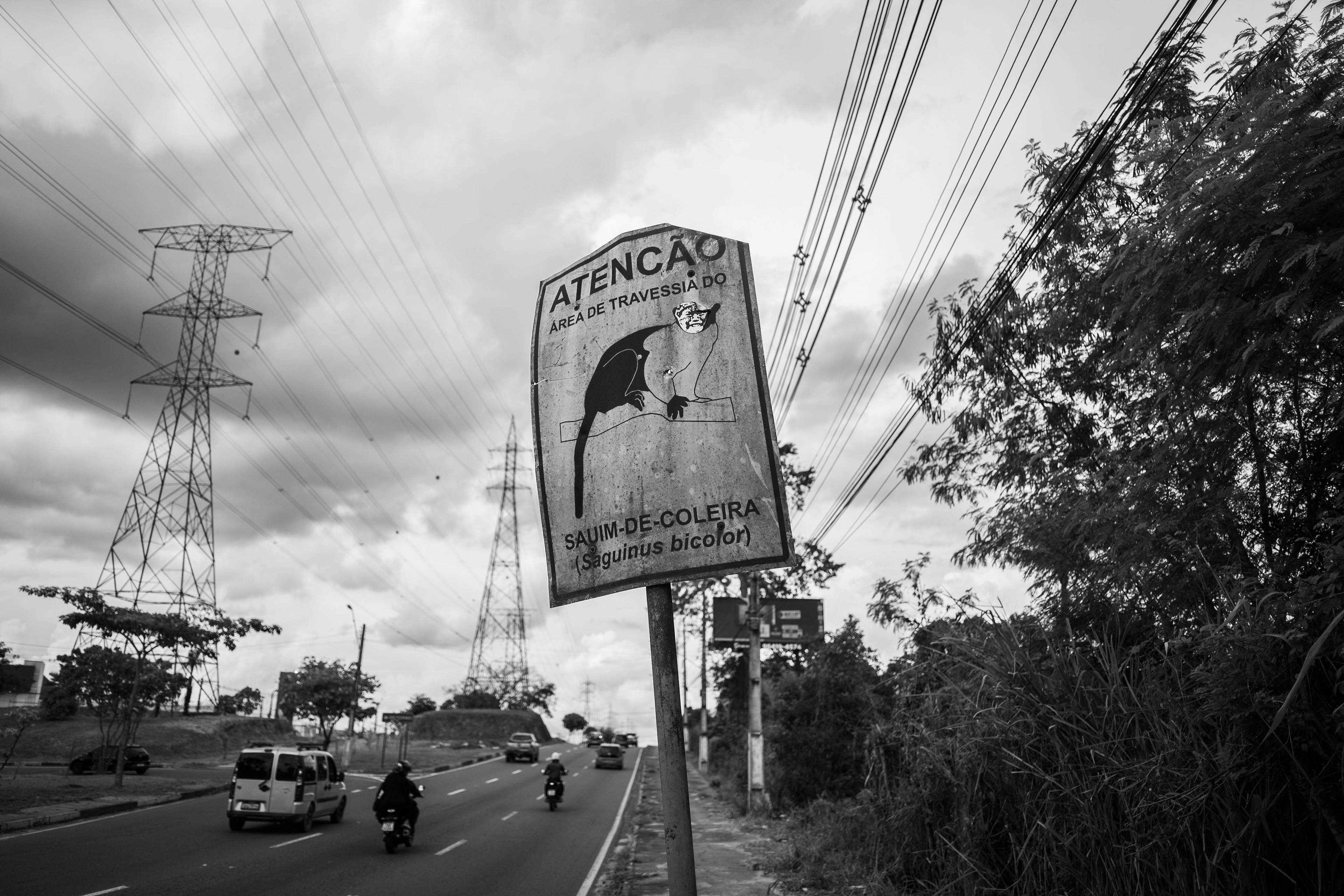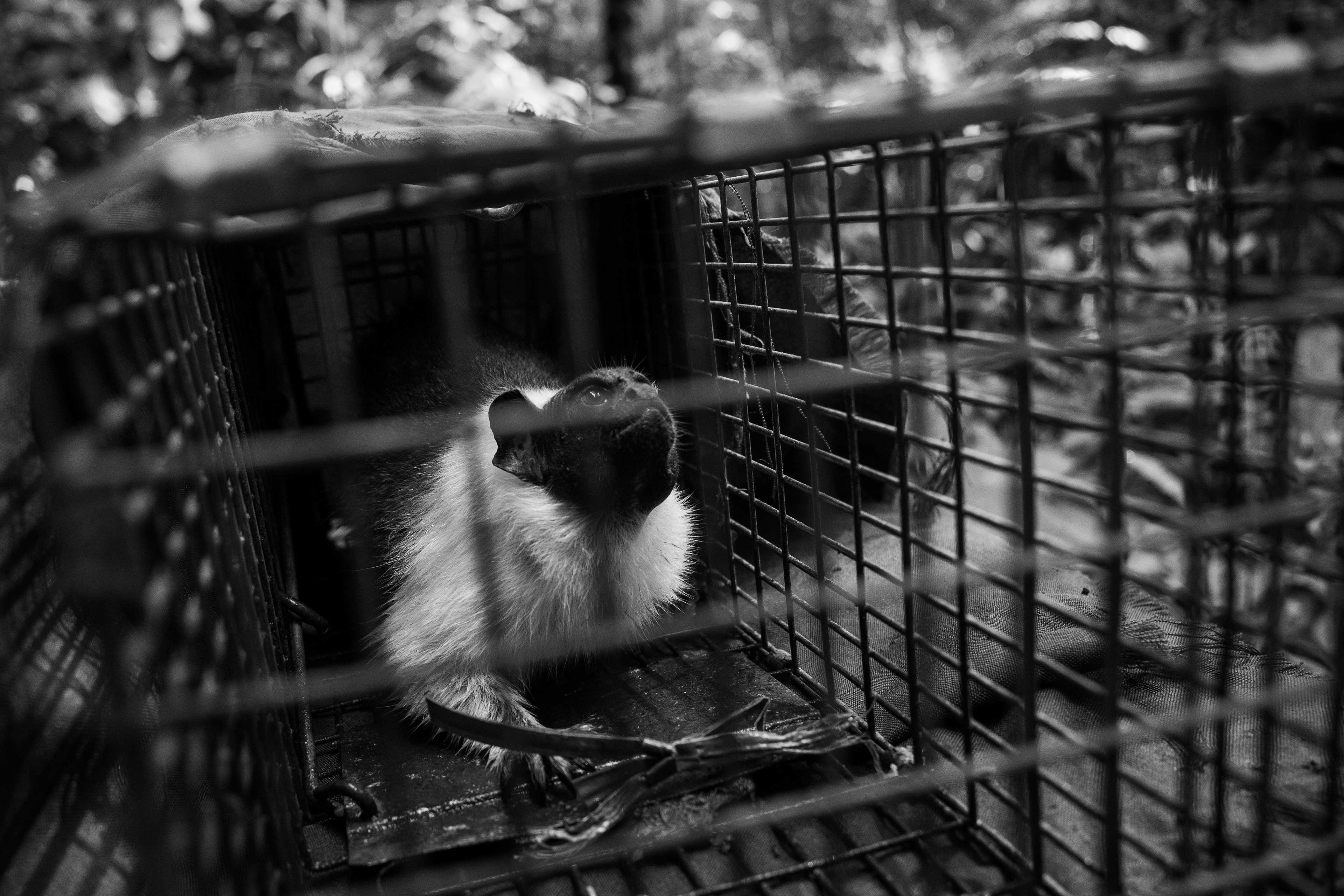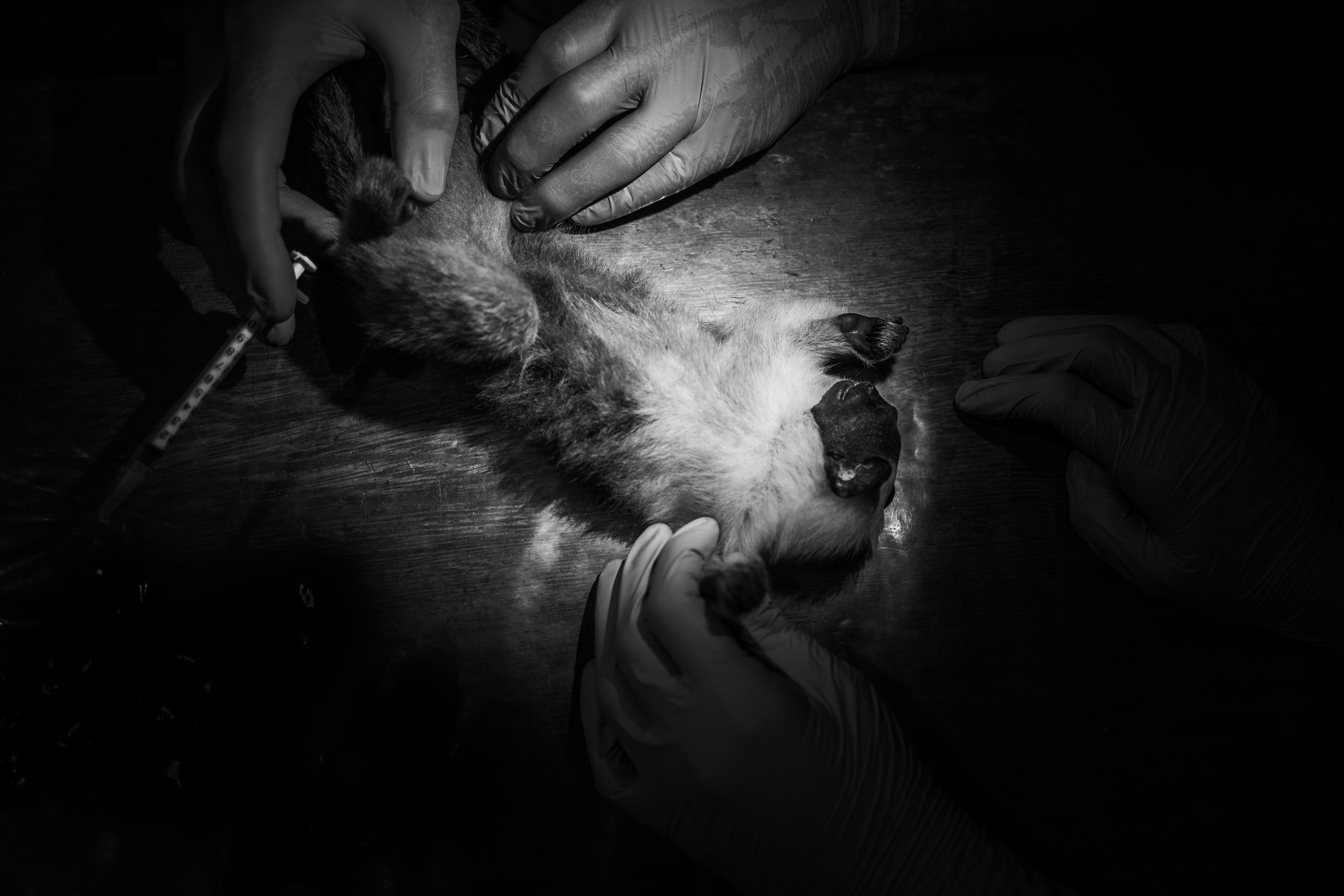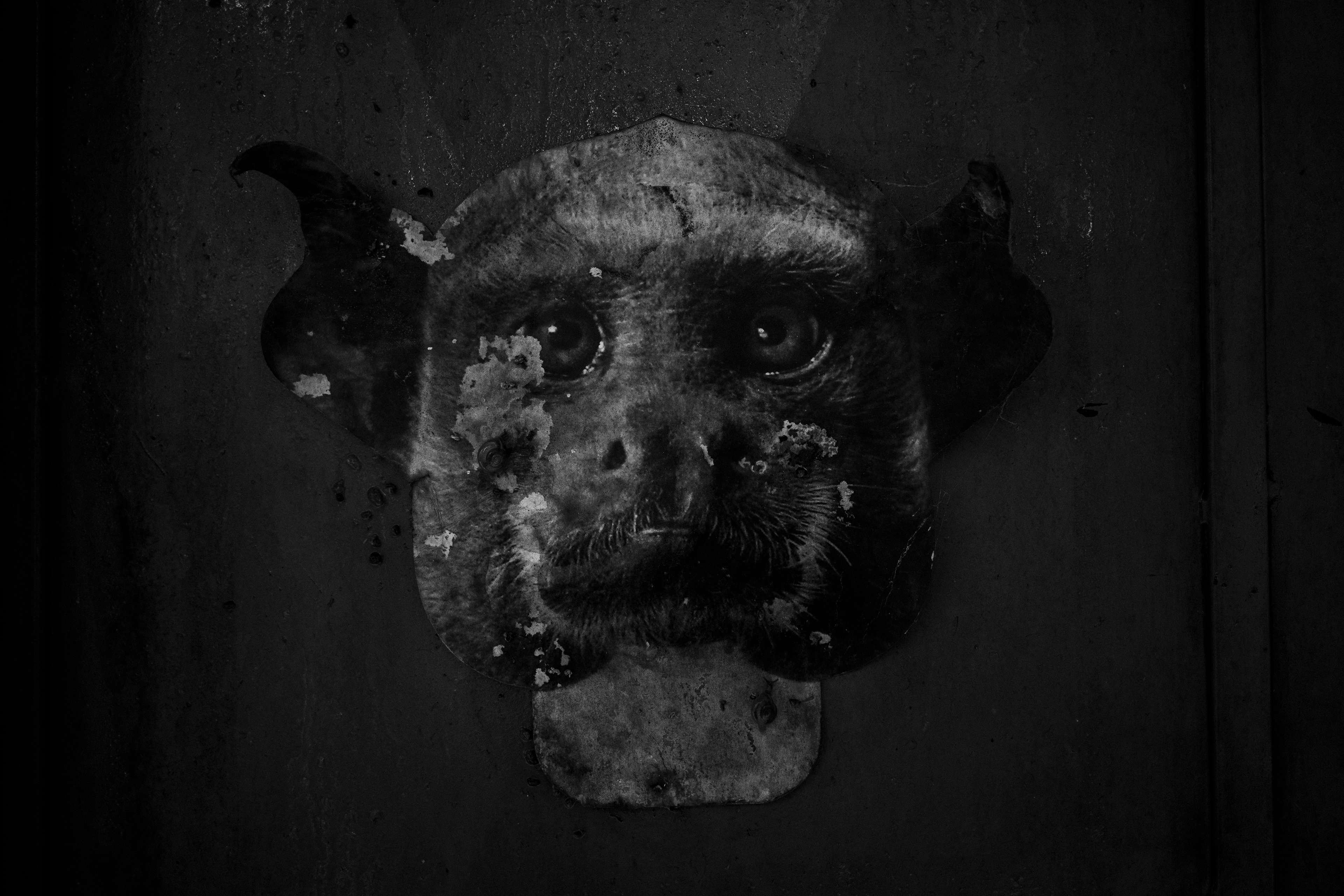
The most threatened primate in the Amazon, the pied tamarin (Saguinus bicolor), known locally as the “sauim-de-Manaus”, faces an uncertain future. Endemic to Manaus, it exists nowhere else in the world, making its survival inseparable from the remaining forests within and around the city. In 2023, the species marked two centuries since its scientific description, a milestone that also reminds us how fragile its existence has become.
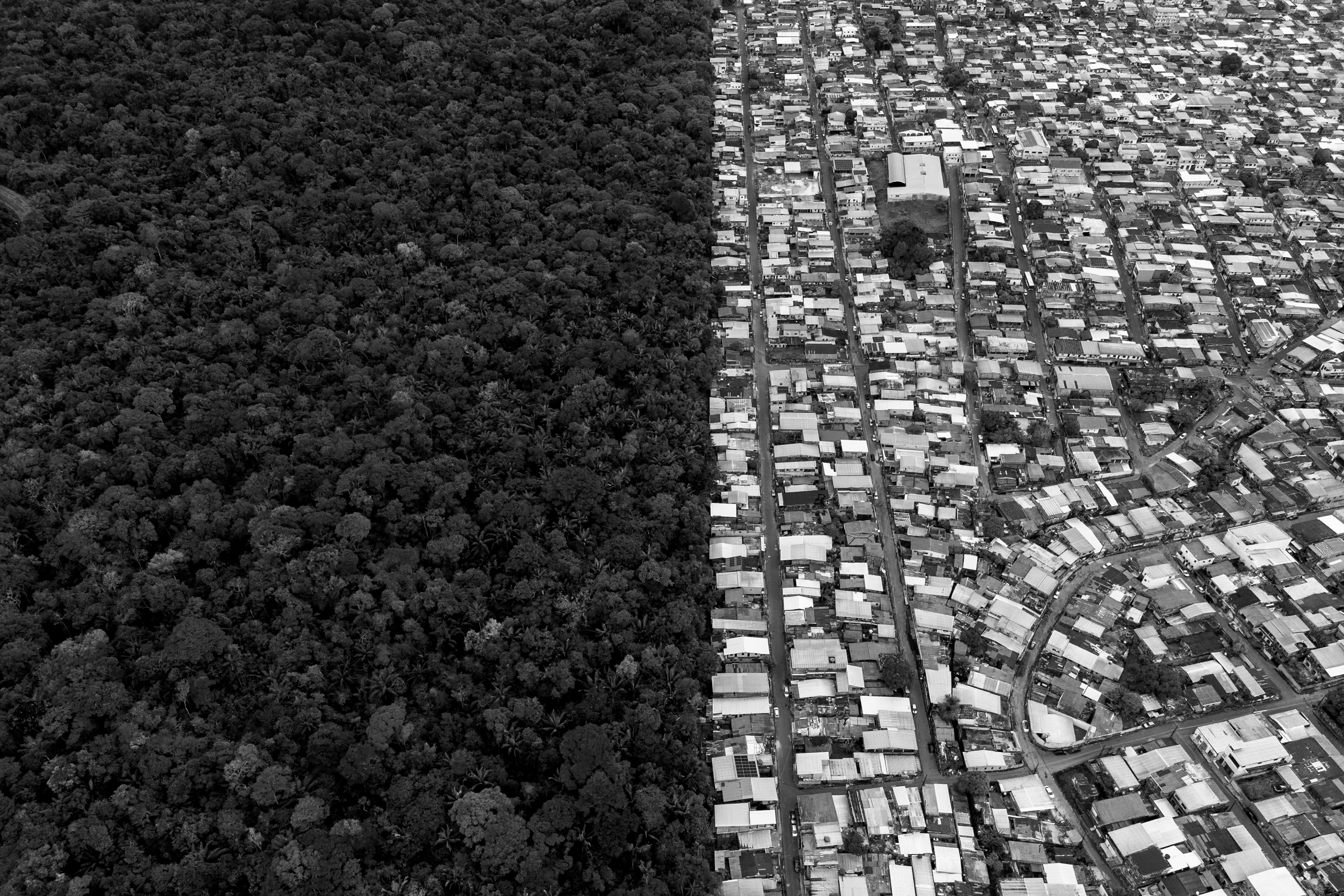
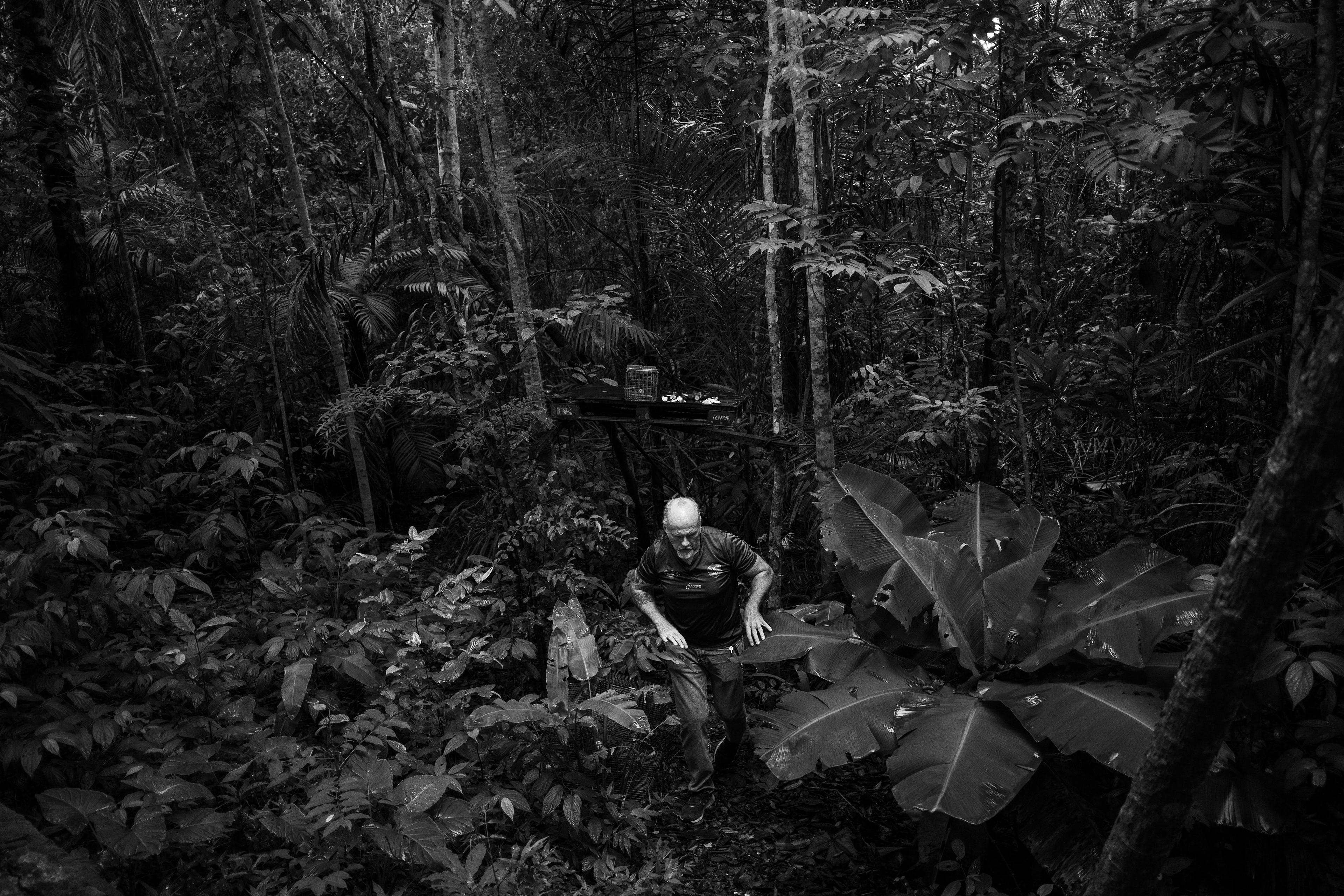
As Manaus expands, the pied tamarin loses the forest it needs to live, feed, and move between territories. While scientists, conservationists, and activists work to protect the species and reconnect the forest fragments upon which it depends, unplanned urban growth destroying its habitat, isolating populations and making survival increasingly difficult.
The story of the tamarin is also a story about Manaus and its relationship with the forest. The species reminds us that the city is not separate from the Amazon, but part of it. Today, representations of the tamarin can be found across the city, including a concrete sculpture in a park built in one of its most deforested areas. Children play around it, perhaps unaware that they may never encounter a living sauim as previous generations did.
To protect the tamarin is to protect the remaining forests, the connections between them, and the possibility that future generations will still encounter this unique animal where it evolved. Otherwise, both the sauim and the forests of Manaus may survive only as photographs, stories, and memories passed down by those who knew them.