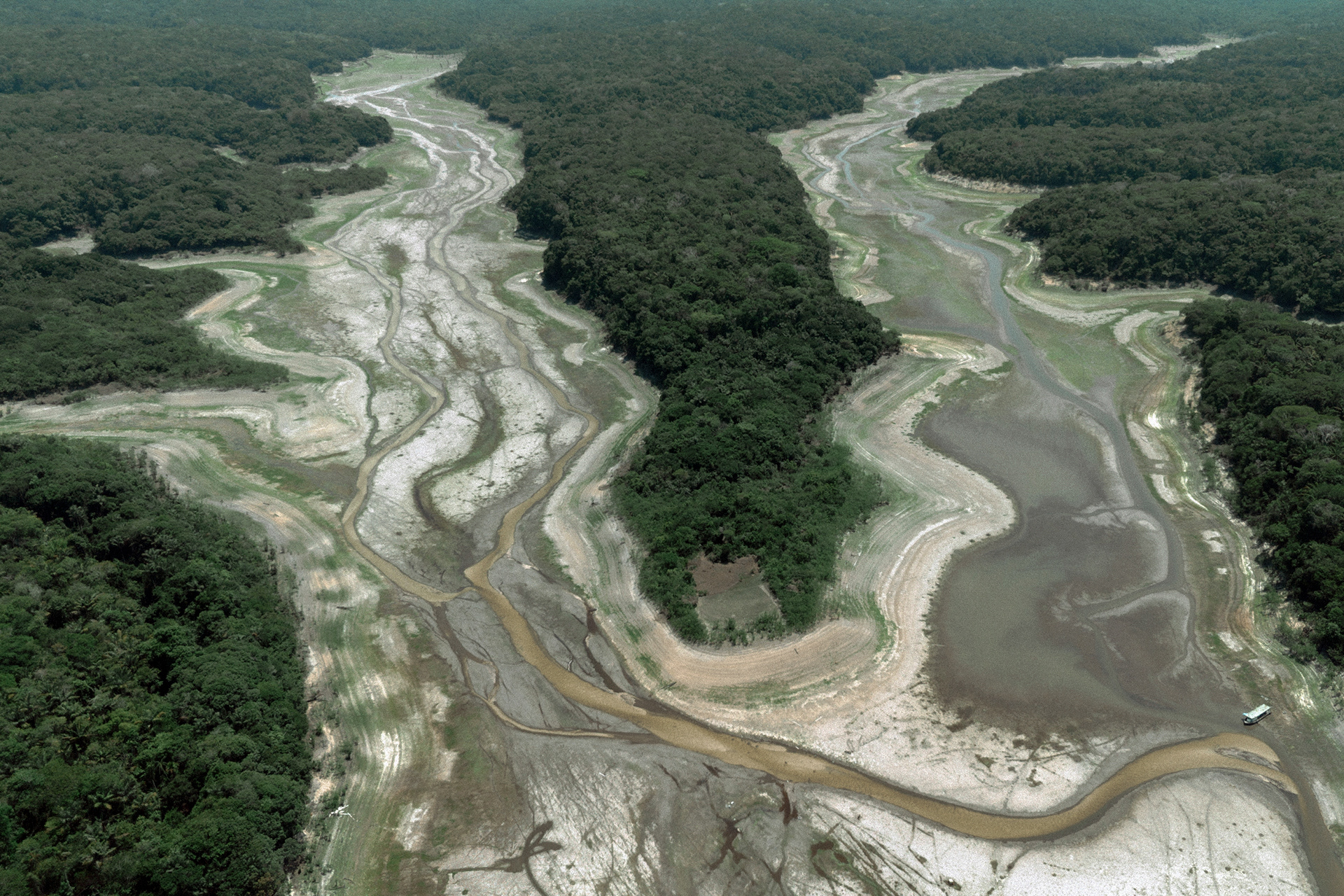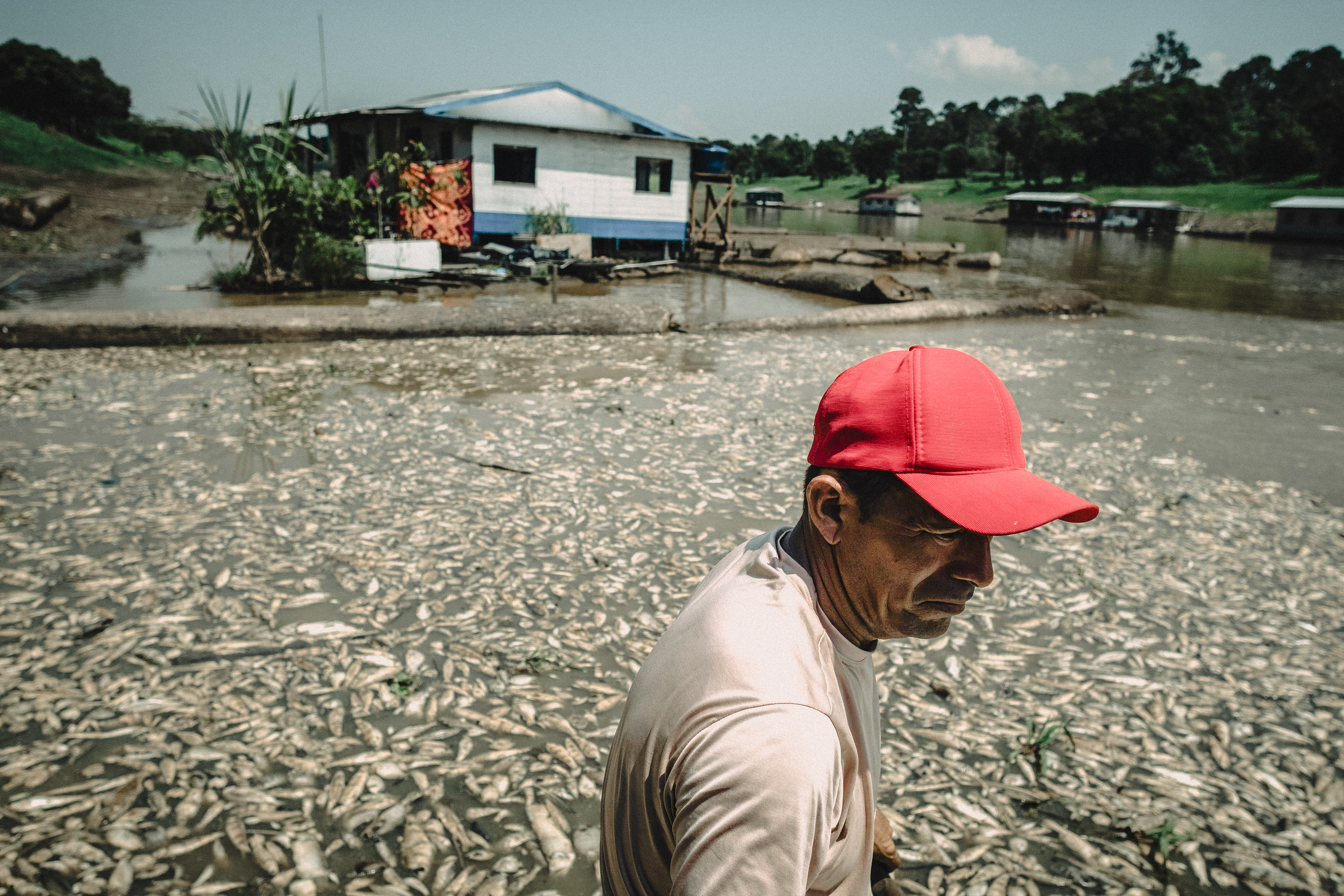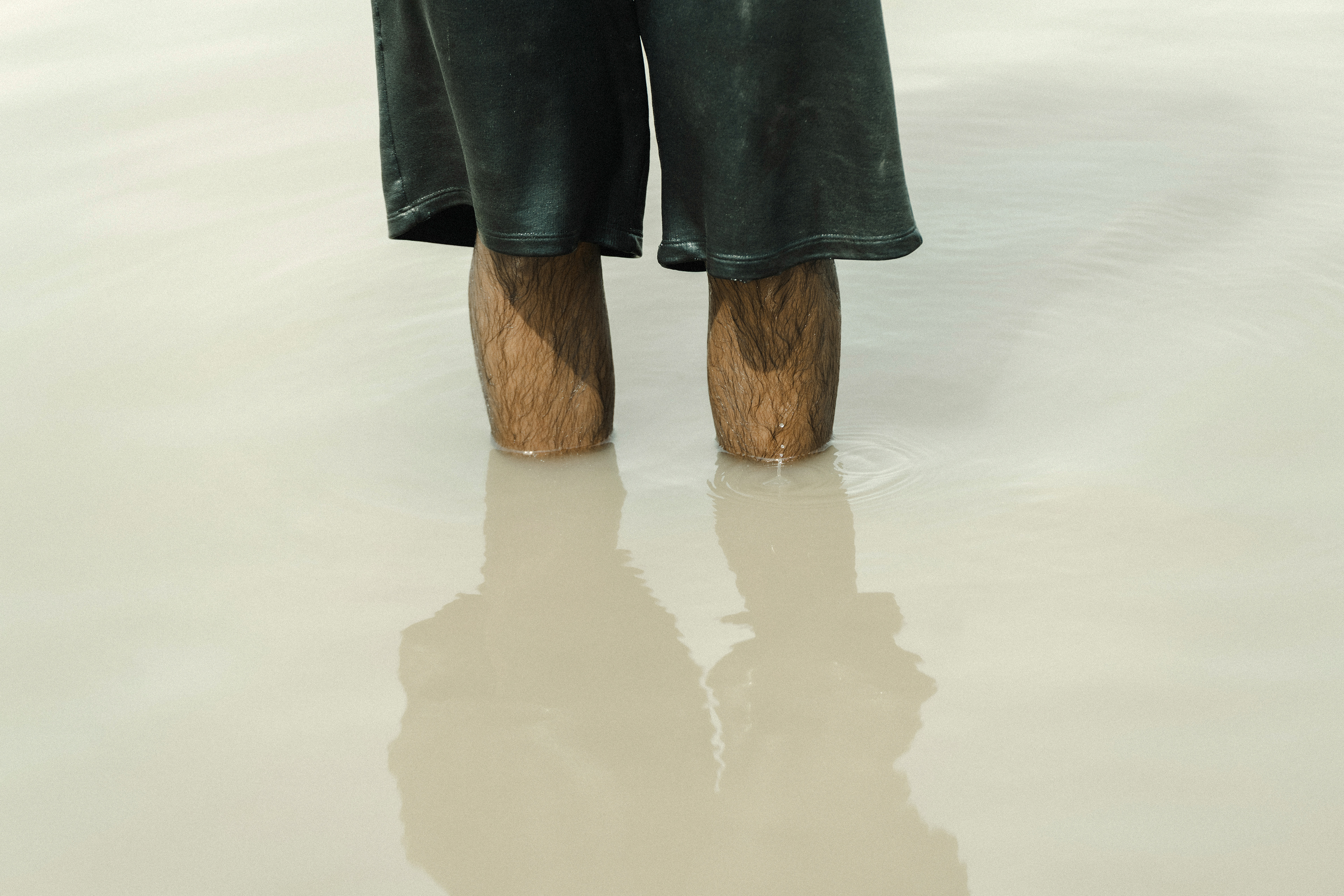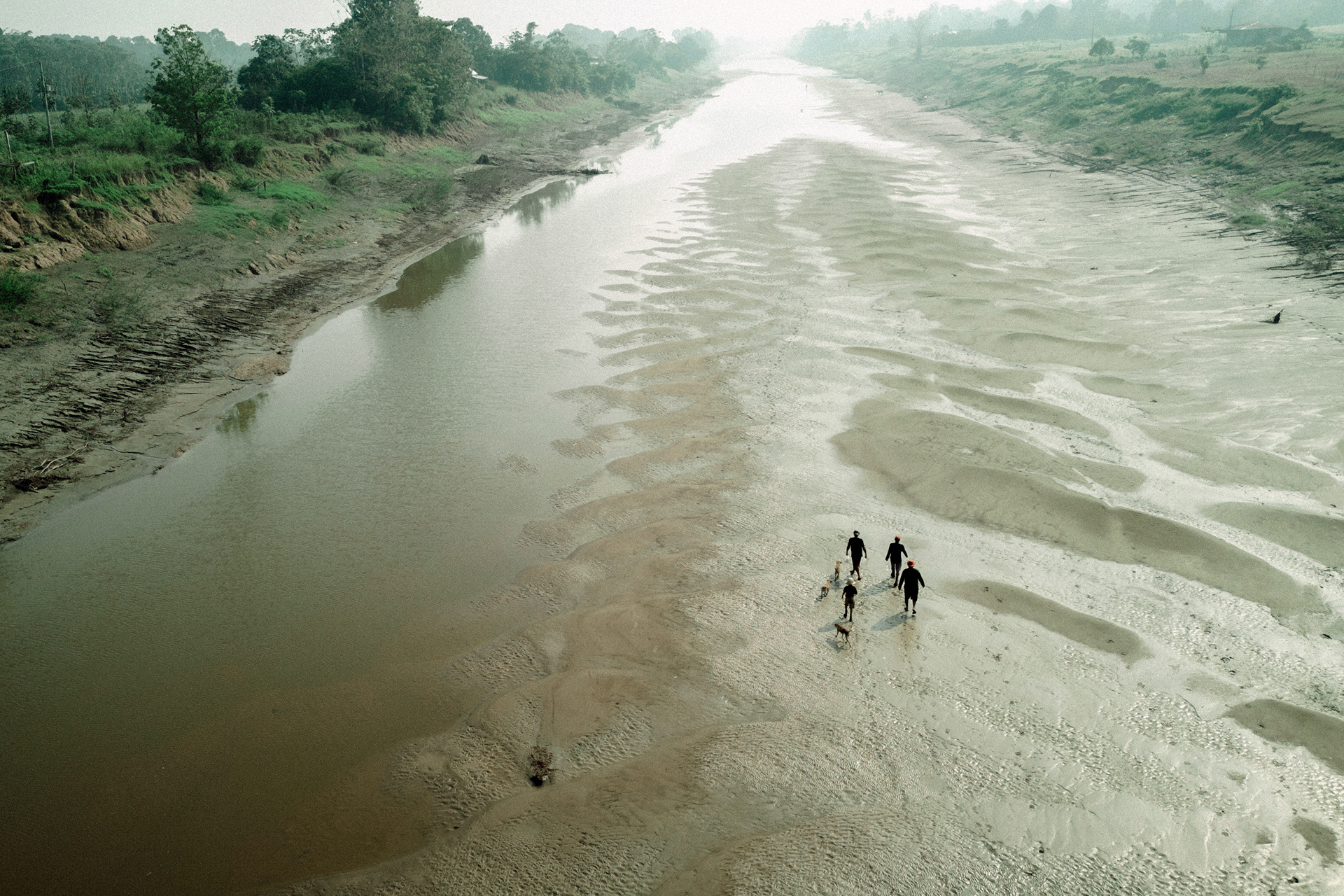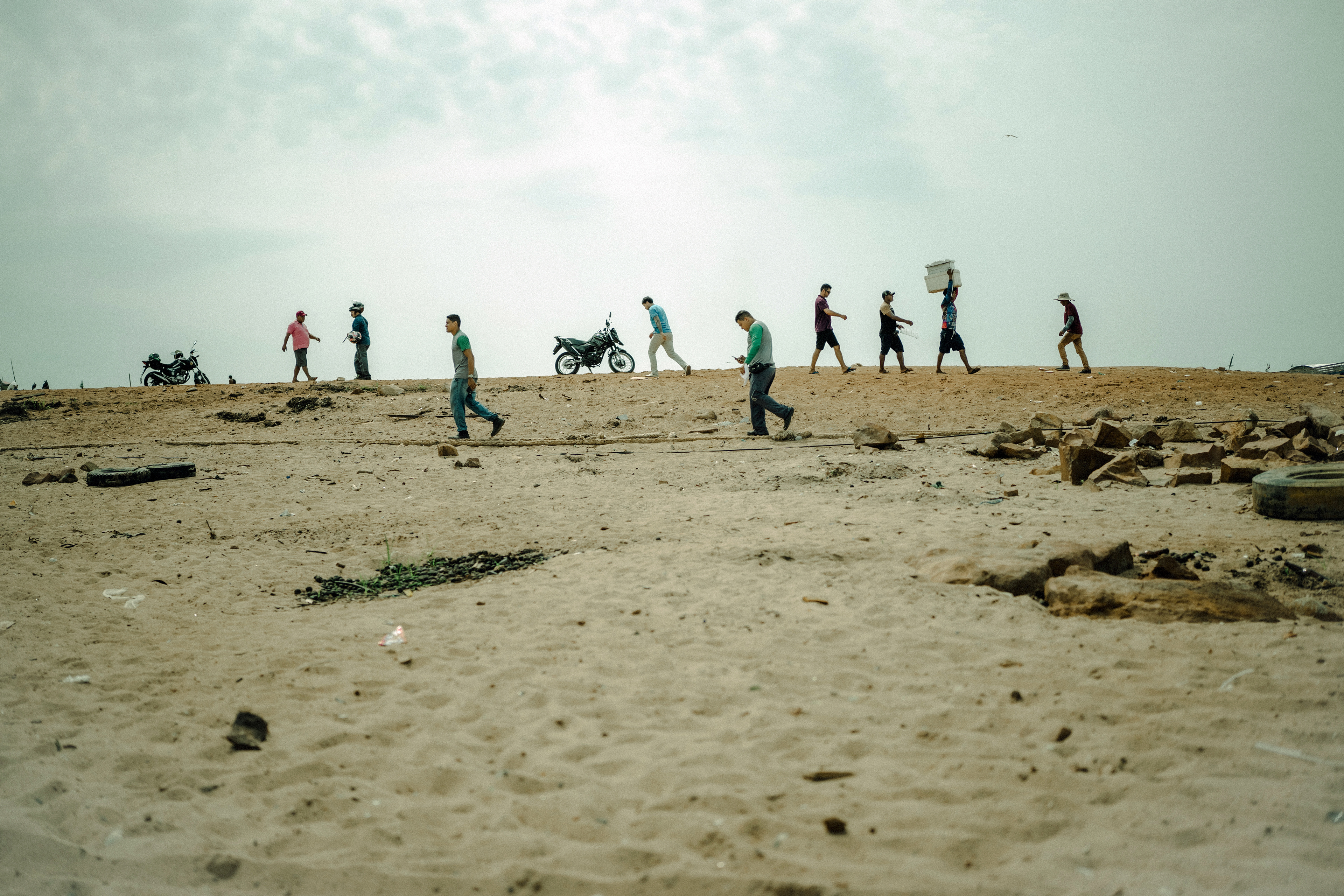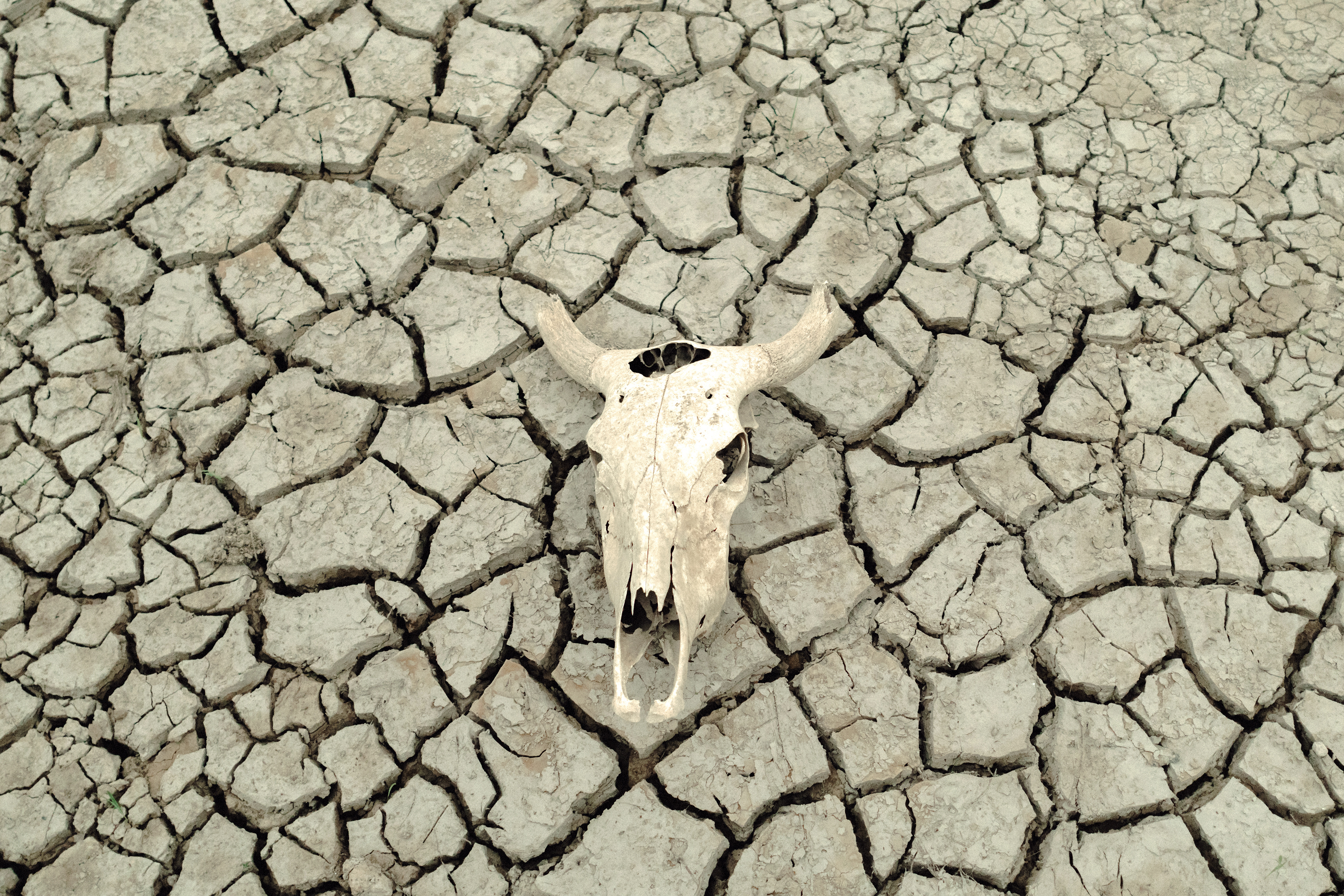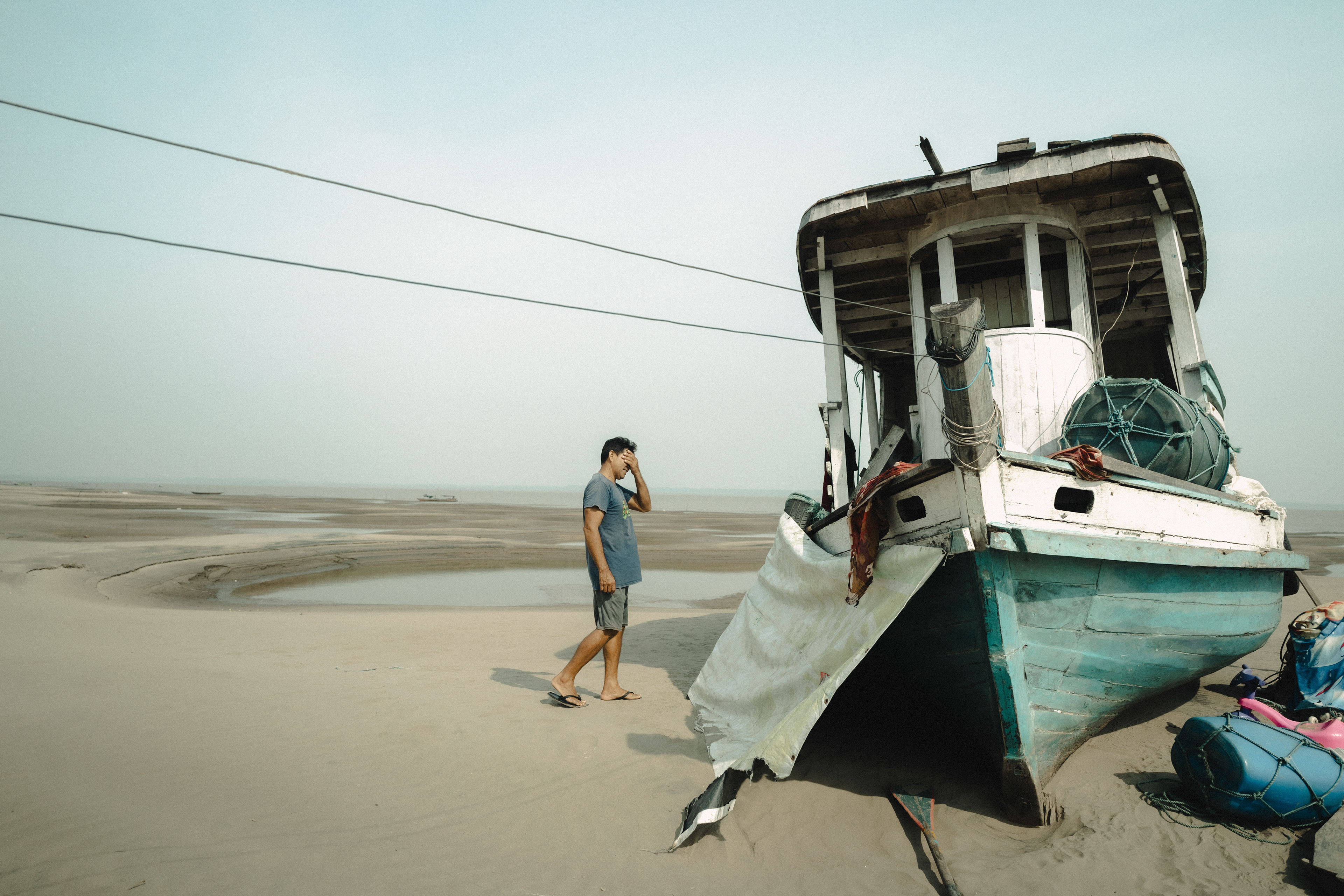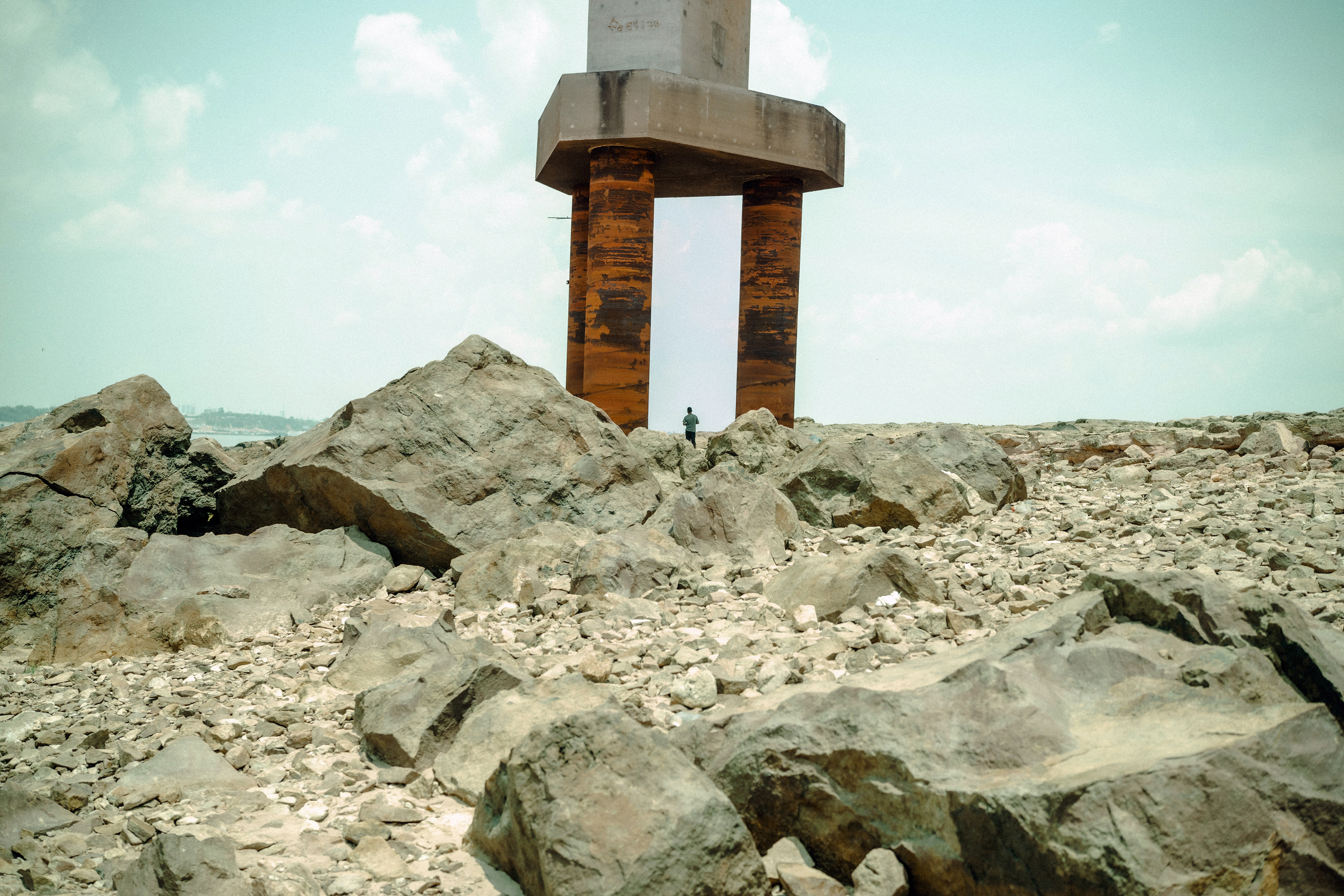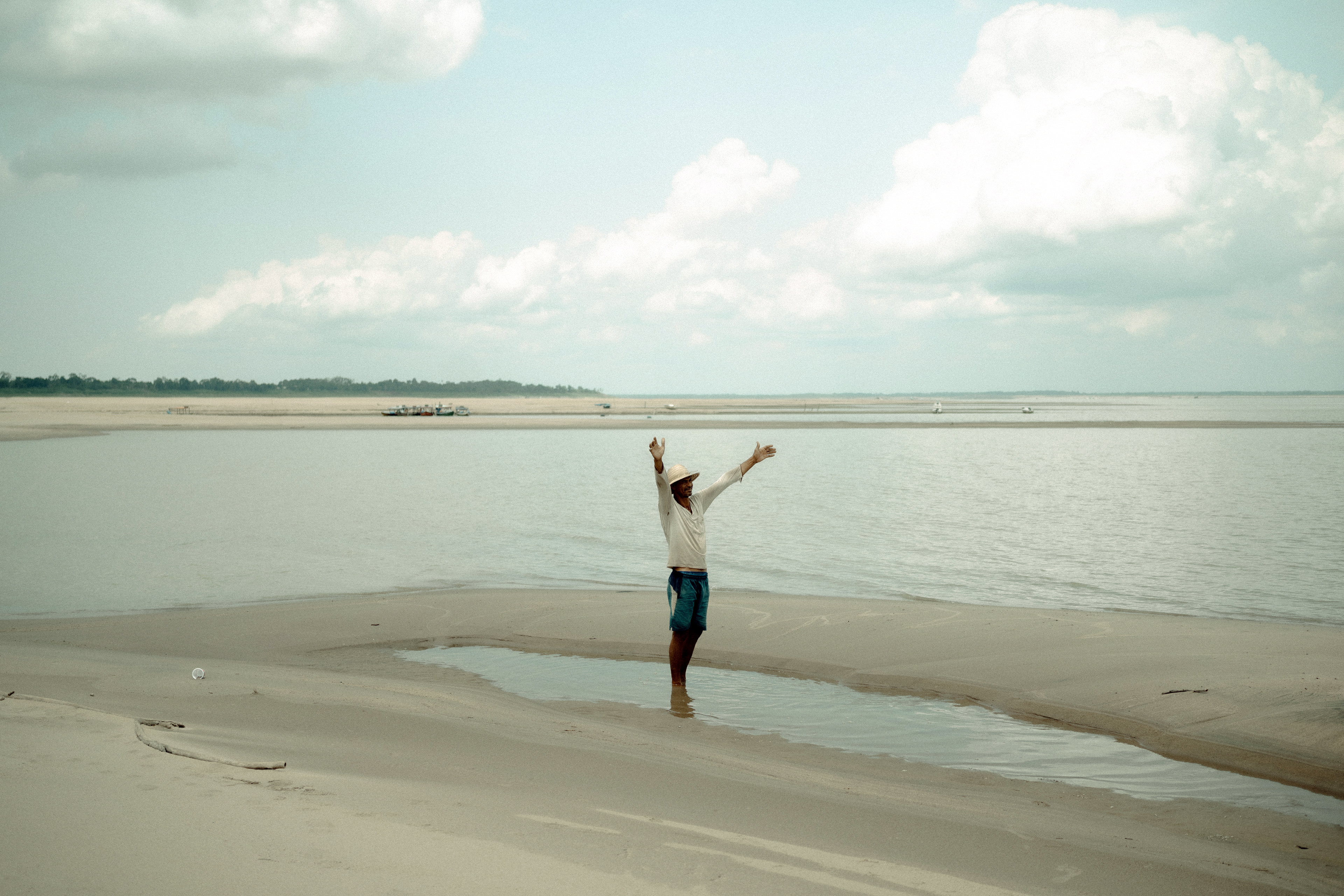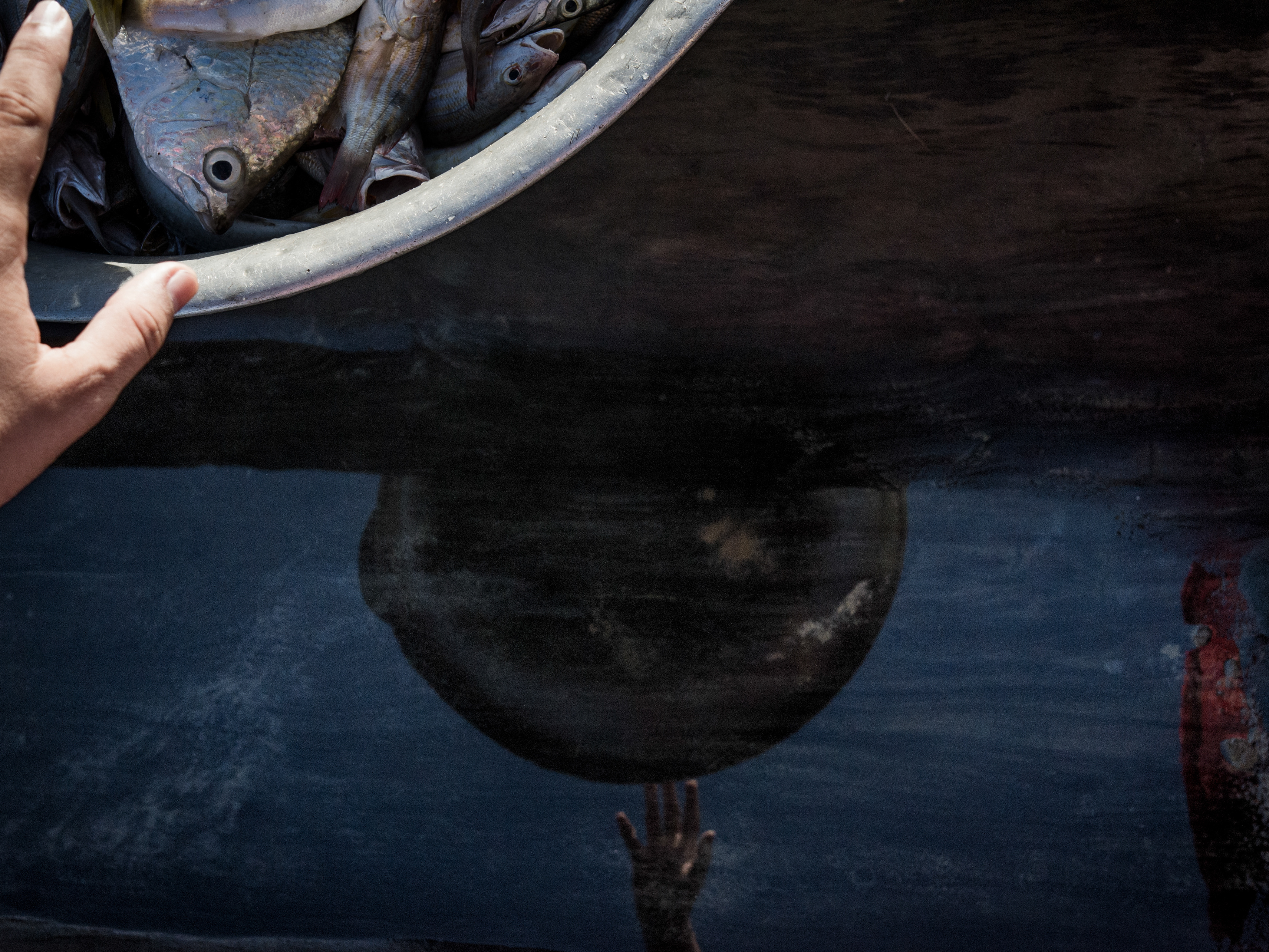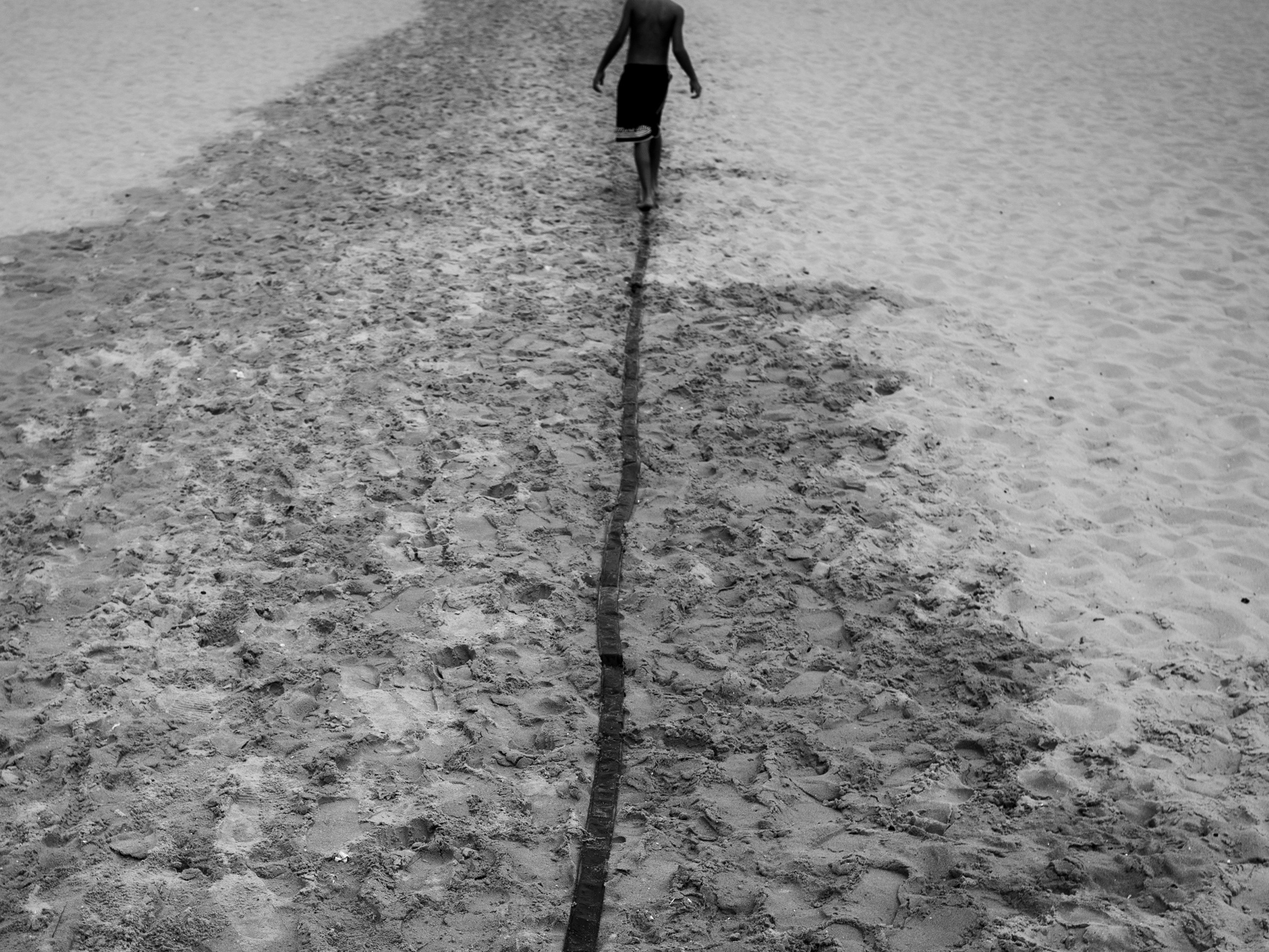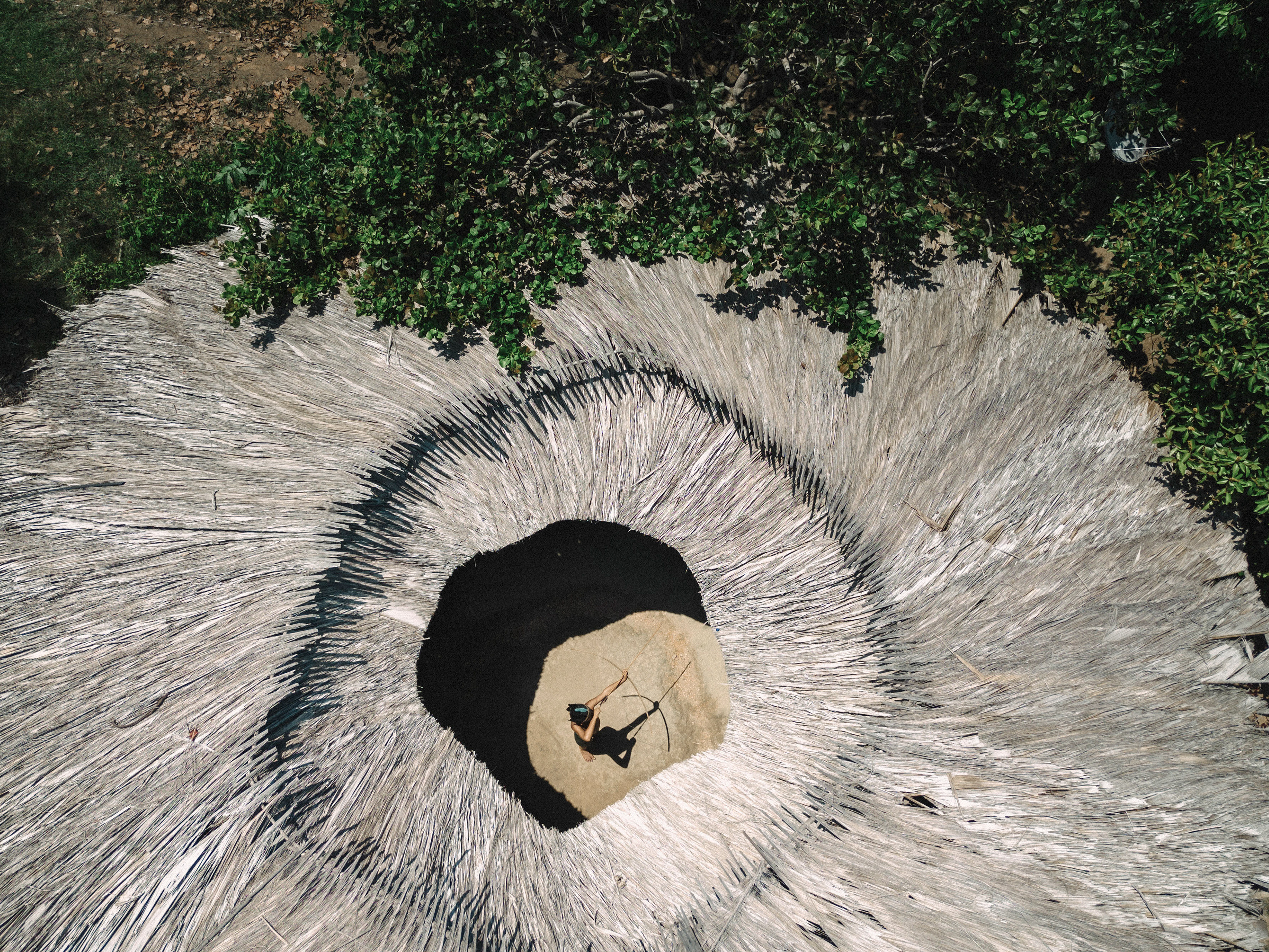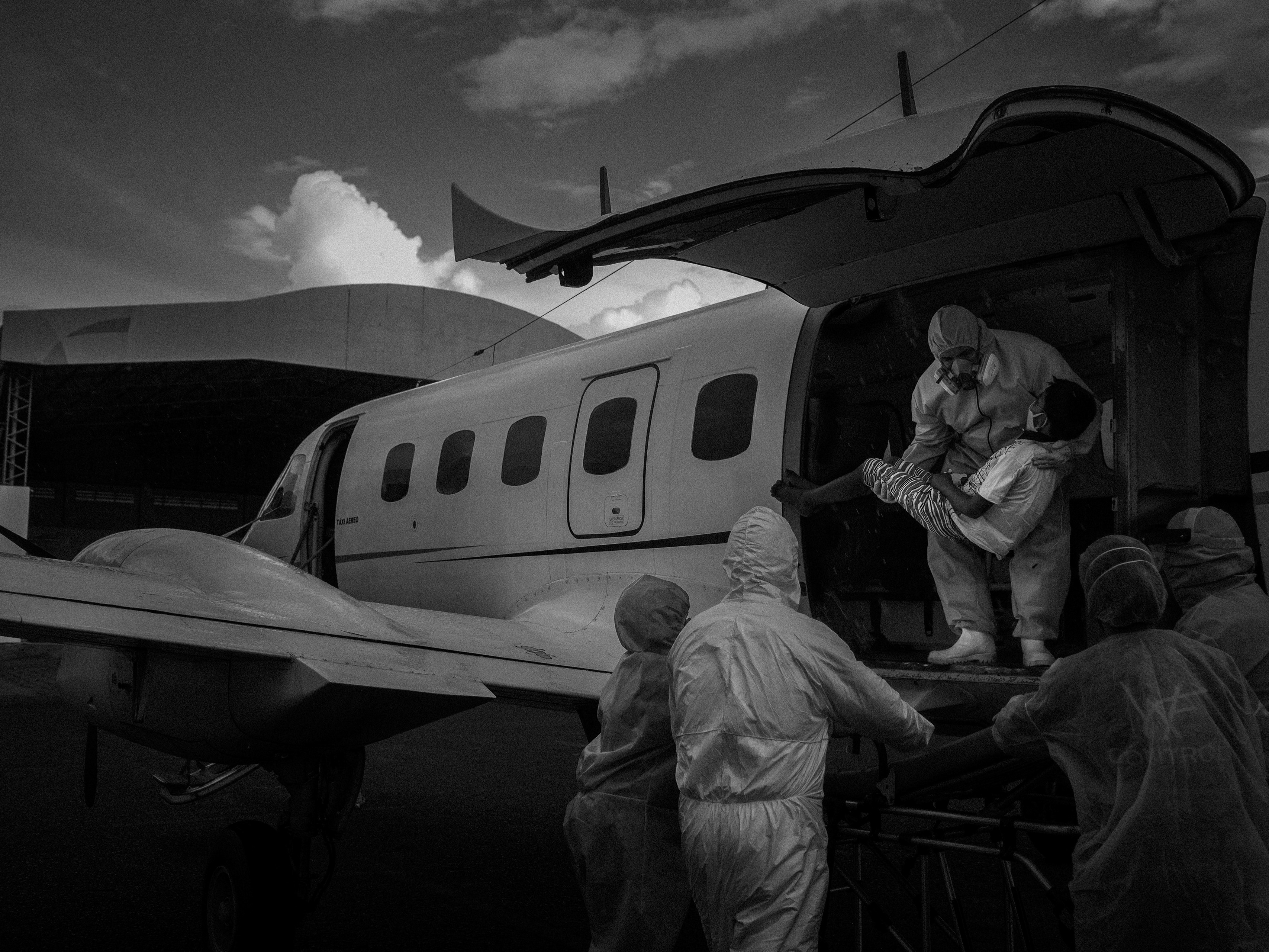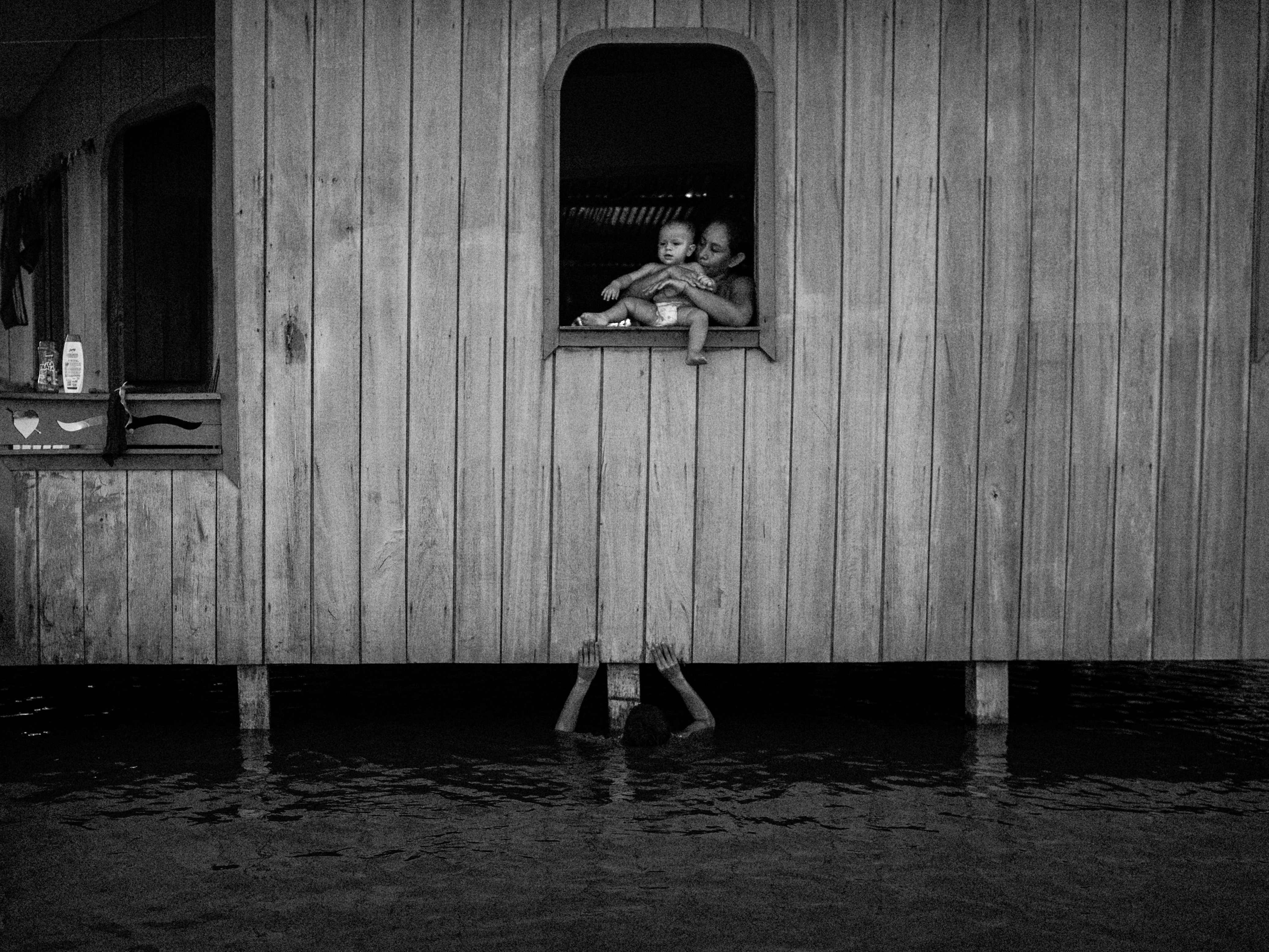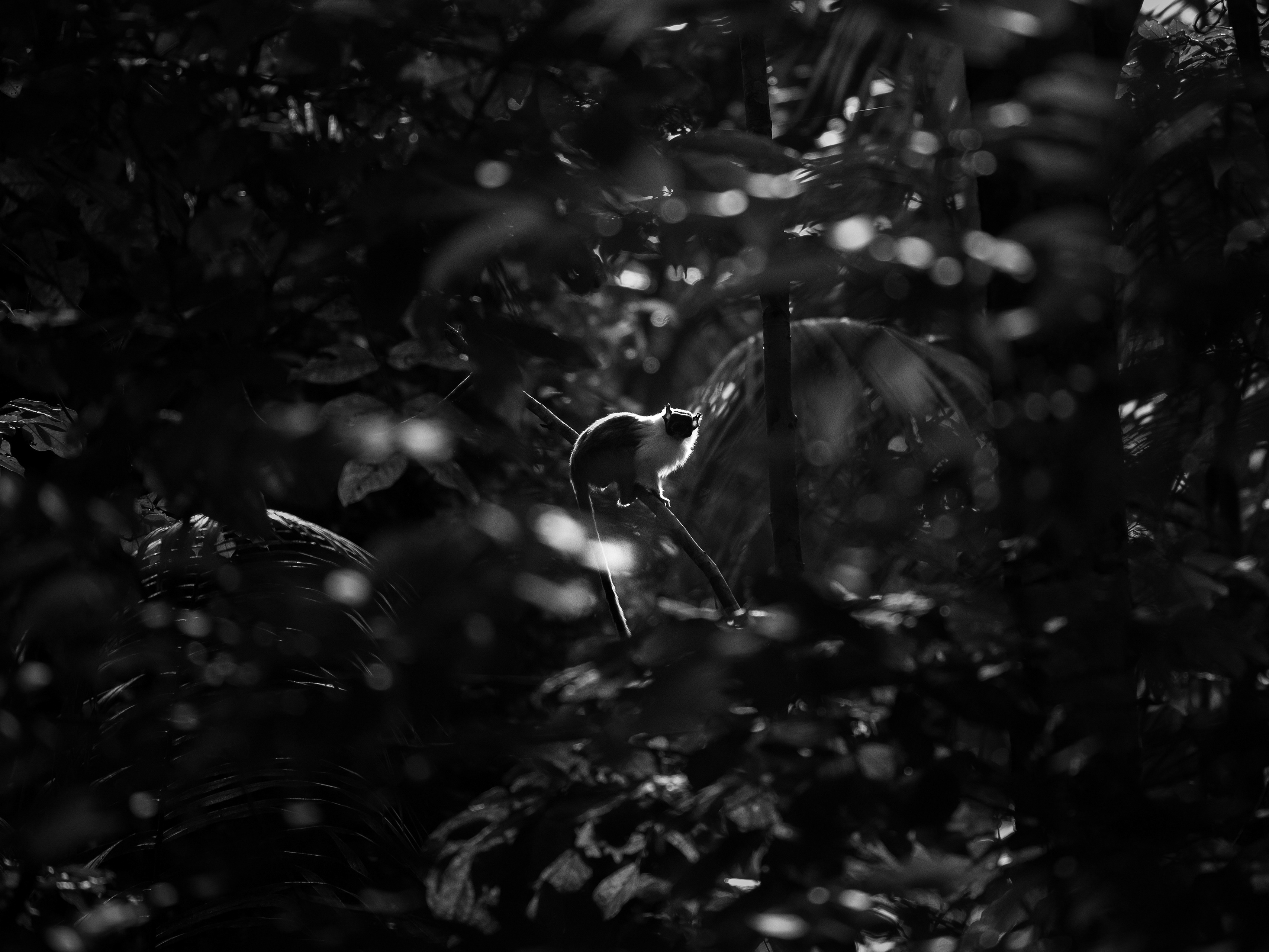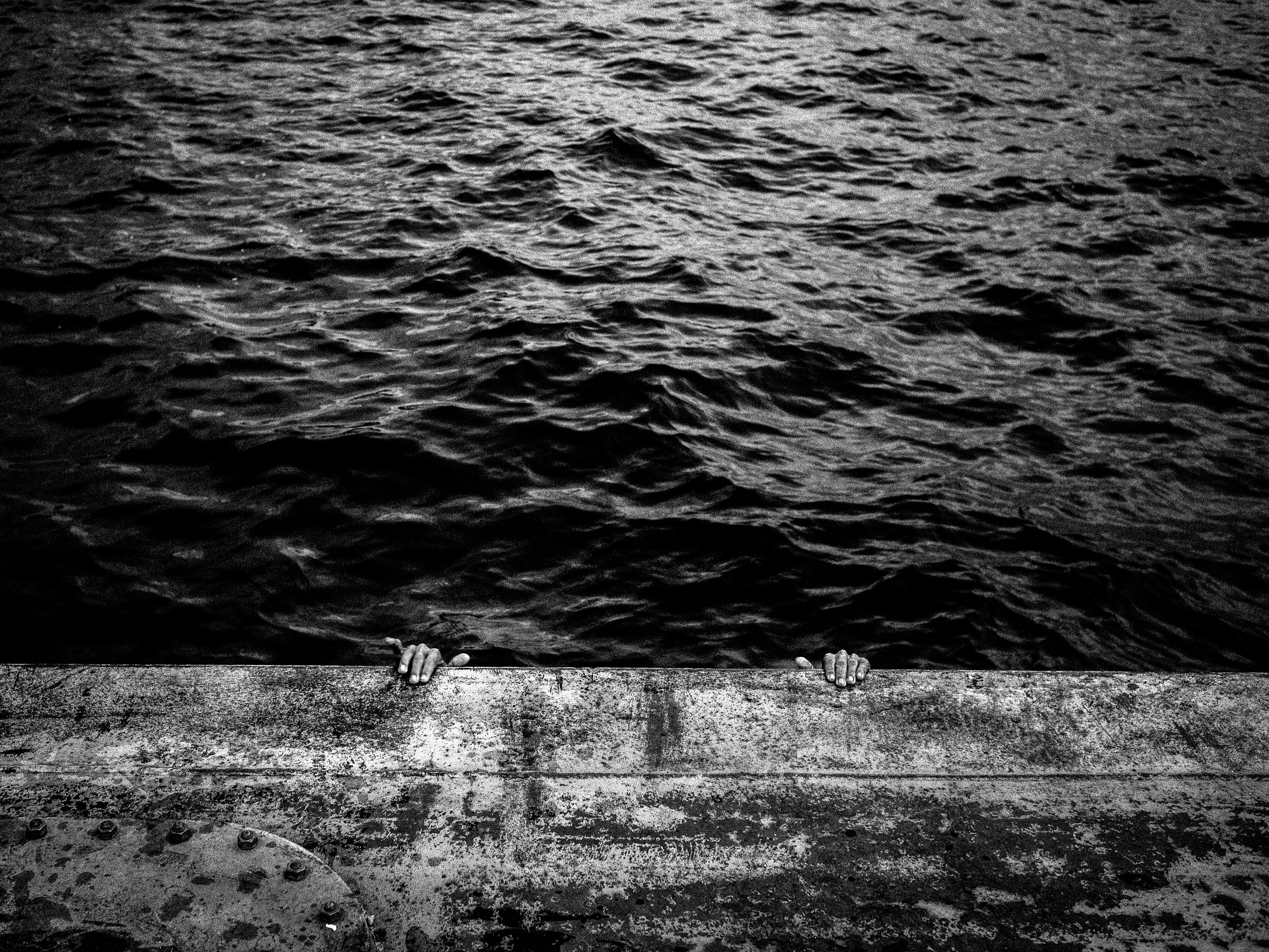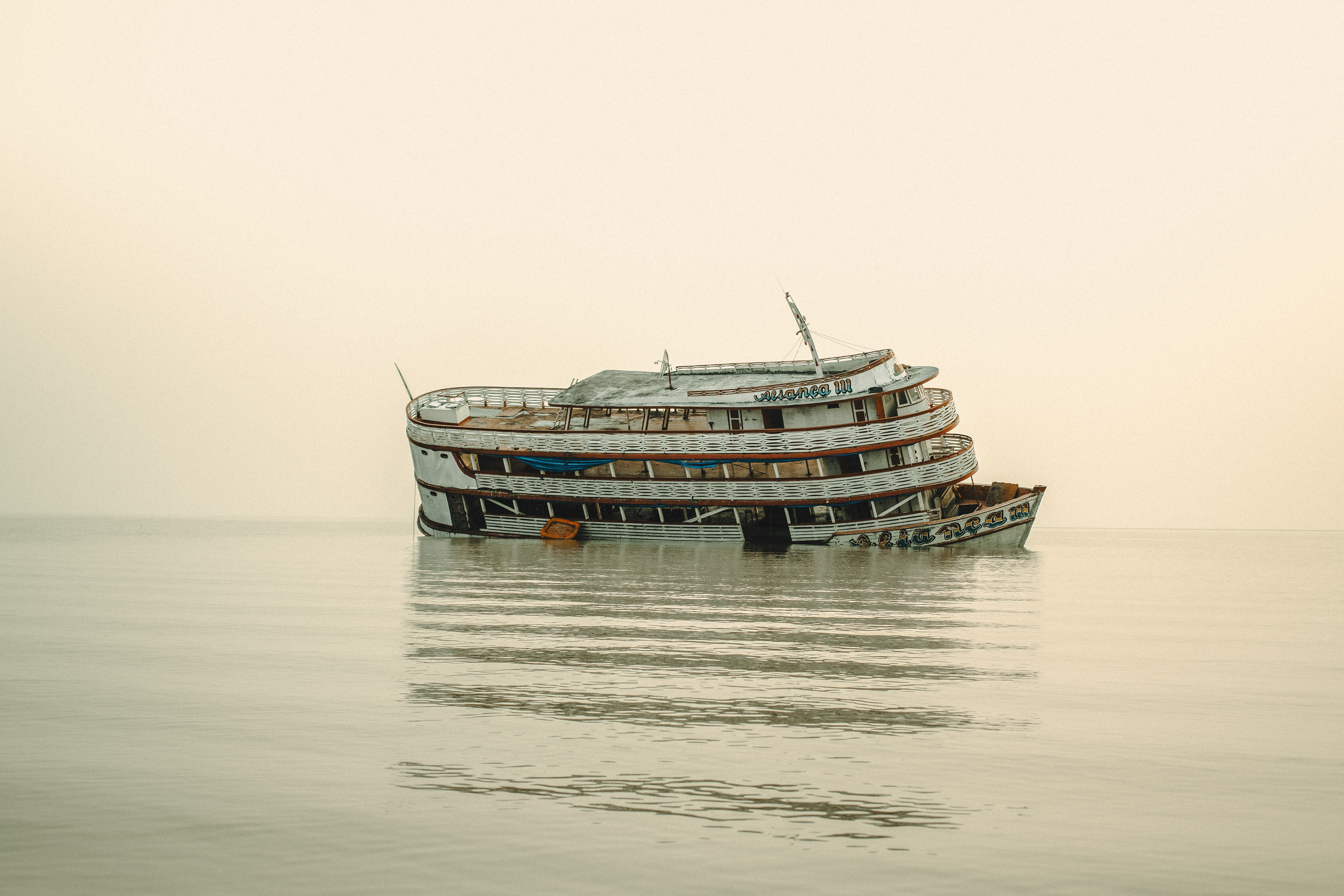
This selection of images – part of a long-term project – addresses the drought that plagued the state of Amazonas in 2023 and 2024. Drought is part of the annual hydrological cycle, to which the region's population is adapted. However, the figures show that extreme events are occurring more frequently. In this 21st century alone, record droughts have been recorded in the Amazon basin at least eight times. In the last two years, the rains have not come, the rivers have not recovered their levels, and the drought has affected life in the region. All 62 municipalities in the state have entered a state of emergency, directly impacting approximately 800,000 people.
What will come next? For the inhabitants of this region, it is still an unknown. What is certain is that extreme events are becoming increasingly frequent in the region.
The Amazon has always been on the margins of the idea of Brazil as a country. This was the case during the colonial era, throughout the empire, and it remains so to this day in the republic. Today, the state of Amazonas continues to be an isolated land, not only geographically but also ideologically, searching for its role within the country while grappling with its own contradictions. More than 90% of its surface area is covered by native Amazon rainforest, yet it still maintains a development model that directly opposes the environment and the communities and people who live there. It is a land marked by the violent geography of territorial expansion by foreign capital.
While news from the region prompts reflection on the importance of environmental issues, it seems to view the region from a distance, from a satellite perspective.
How is it possible to keep the forest standing and the region's waters clean and accessible if the people who inhabit it remain forgotten?
This project illustrates these contradictions from a local perspective, from someone who lives and experiences this region daily. Here are images of how the city coexists with water and forest in a region with very low rates of sanitation and reforestation; of the daily life of a population directly linked to the traditions of Indigenous peoples, but living below the poverty line, with food insecurity, housing shortages, lack of access to healthcare or education, and surrounded by violence. This is also a story that shows how people experience the dichotomy between periods of drought and floods, phenomena that were once normal but are becoming increasingly extreme.
This project illustrates these contradictions from a local perspective, from someone who lives and experiences this region daily. Here are images of how the city coexists with water and forest in a region with very low rates of sanitation and reforestation; of the daily life of a population directly linked to the traditions of Indigenous peoples, but living below the poverty line, with food insecurity, housing shortages, lack of access to healthcare or education, and surrounded by violence. This is also a story that shows how people experience the dichotomy between periods of drought and floods, phenomena that were once normal but are becoming increasingly extreme.
This work is sometimes an impulse to document my generation and my territory; other times it is a search for meaning within the countless possible territories that inhabit me. Perhaps in the future it will become a historical document, but today it is an attempt to mend a collective memory full of gaps. The search for a cure that, for so long, seems to have been denied for these chronic afflictions of those who live on the margins.