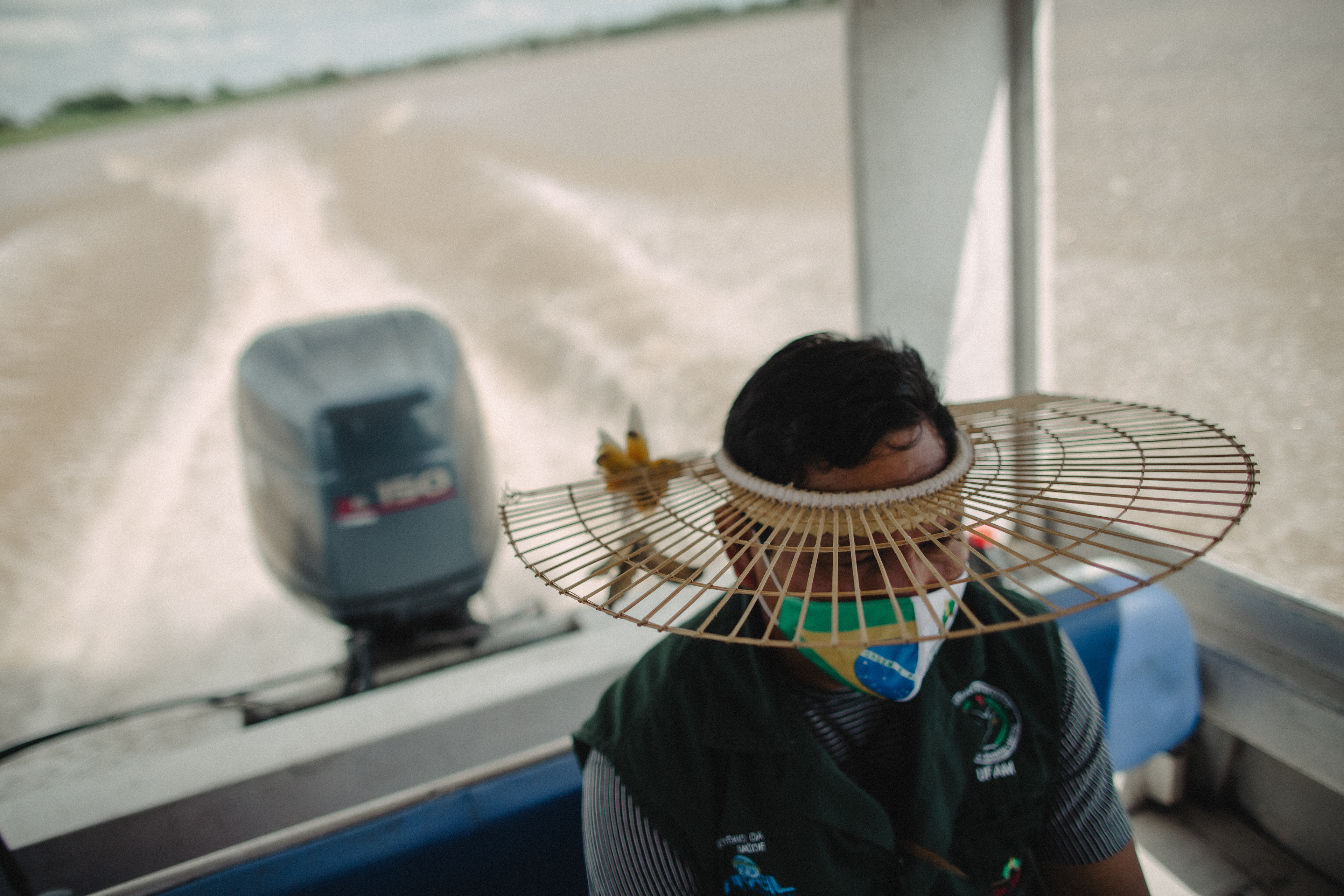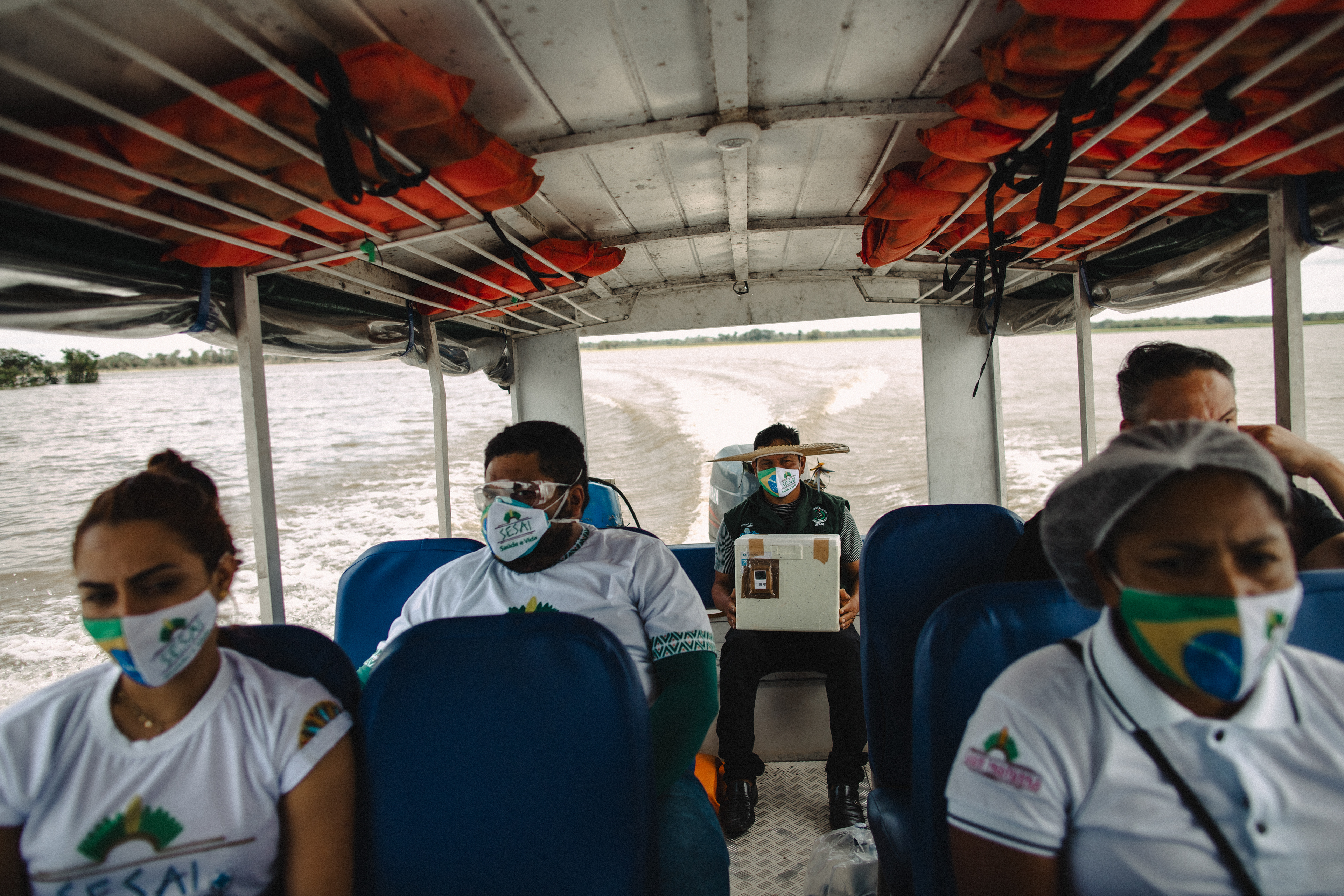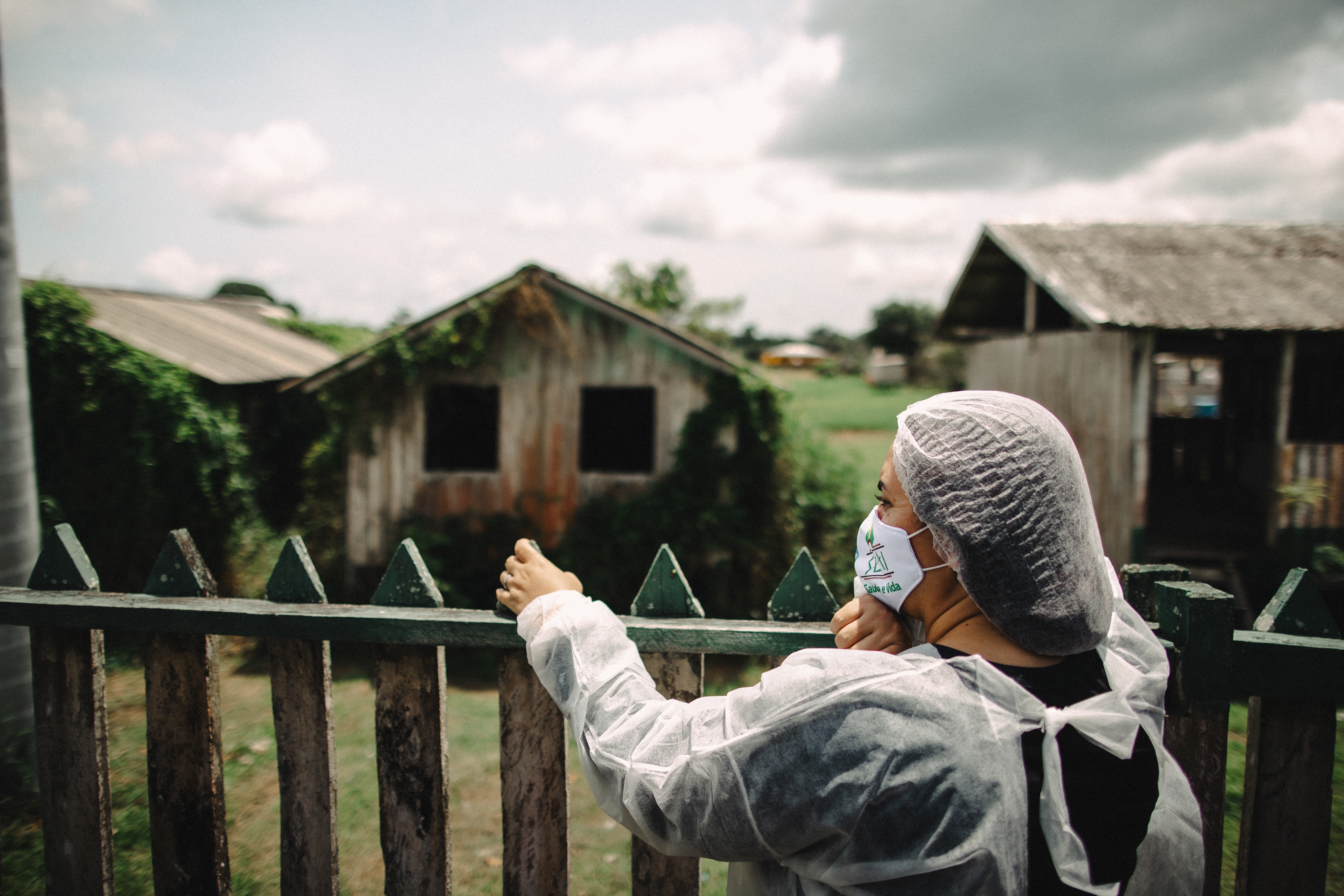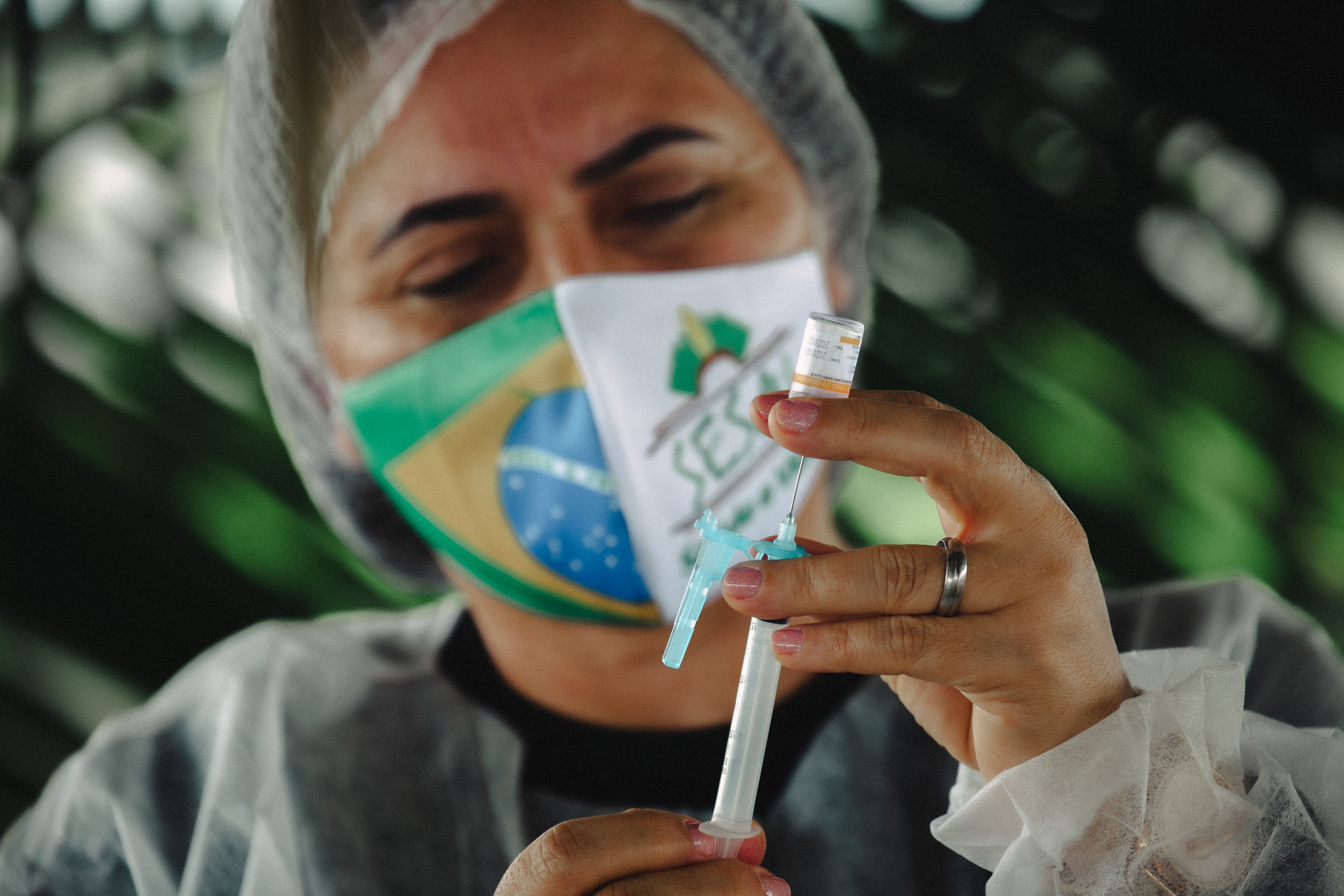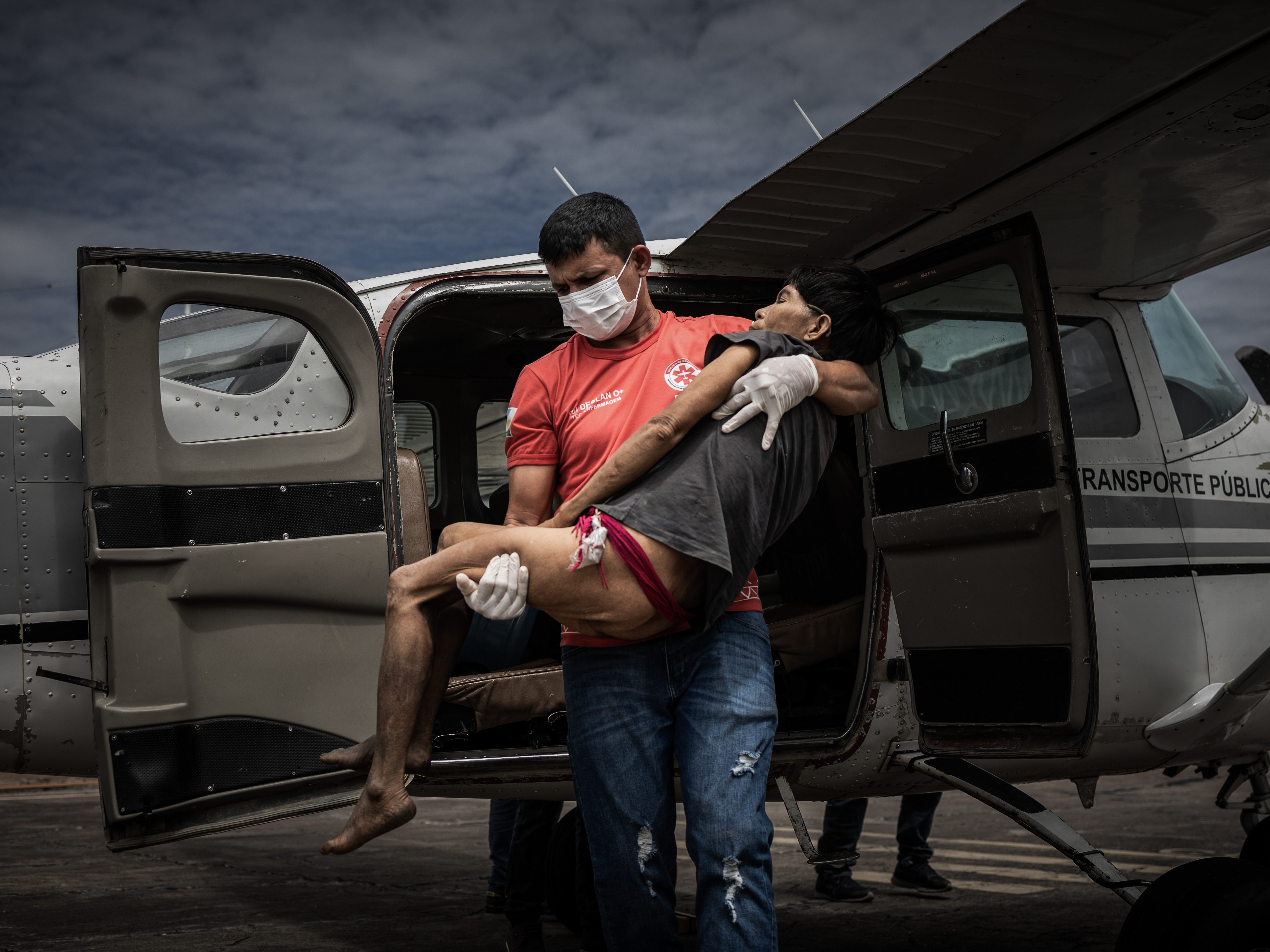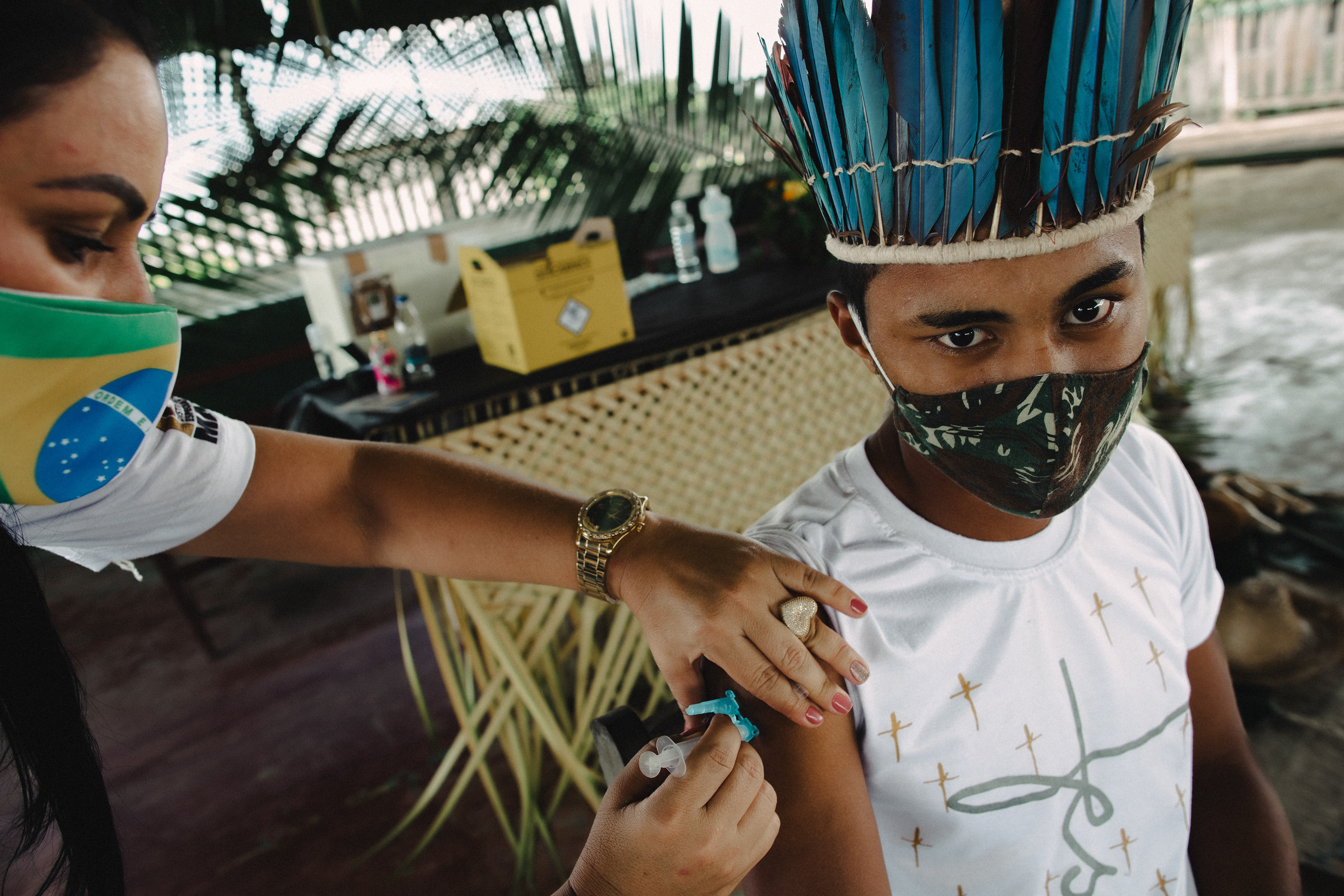
Vaccination against COVID-19 among Indigenous communities in the Brazilian Amazon took place under extreme conditions and involved long journeys by river and through difficult-to-access areas. Indigenous health workers transported the vaccines in boats, often with improvised equipment, bringing not only doses but also hope to the most isolated villages.
Indigenous peoples, historically vulnerable to epidemics, were heavily impacted by the pandemic. Although the government promoted immunization campaigns in the villages, Indigenous organizations warn of underreporting of cases, especially among Indigenous people living in urban areas, who are not always included in official statistics.
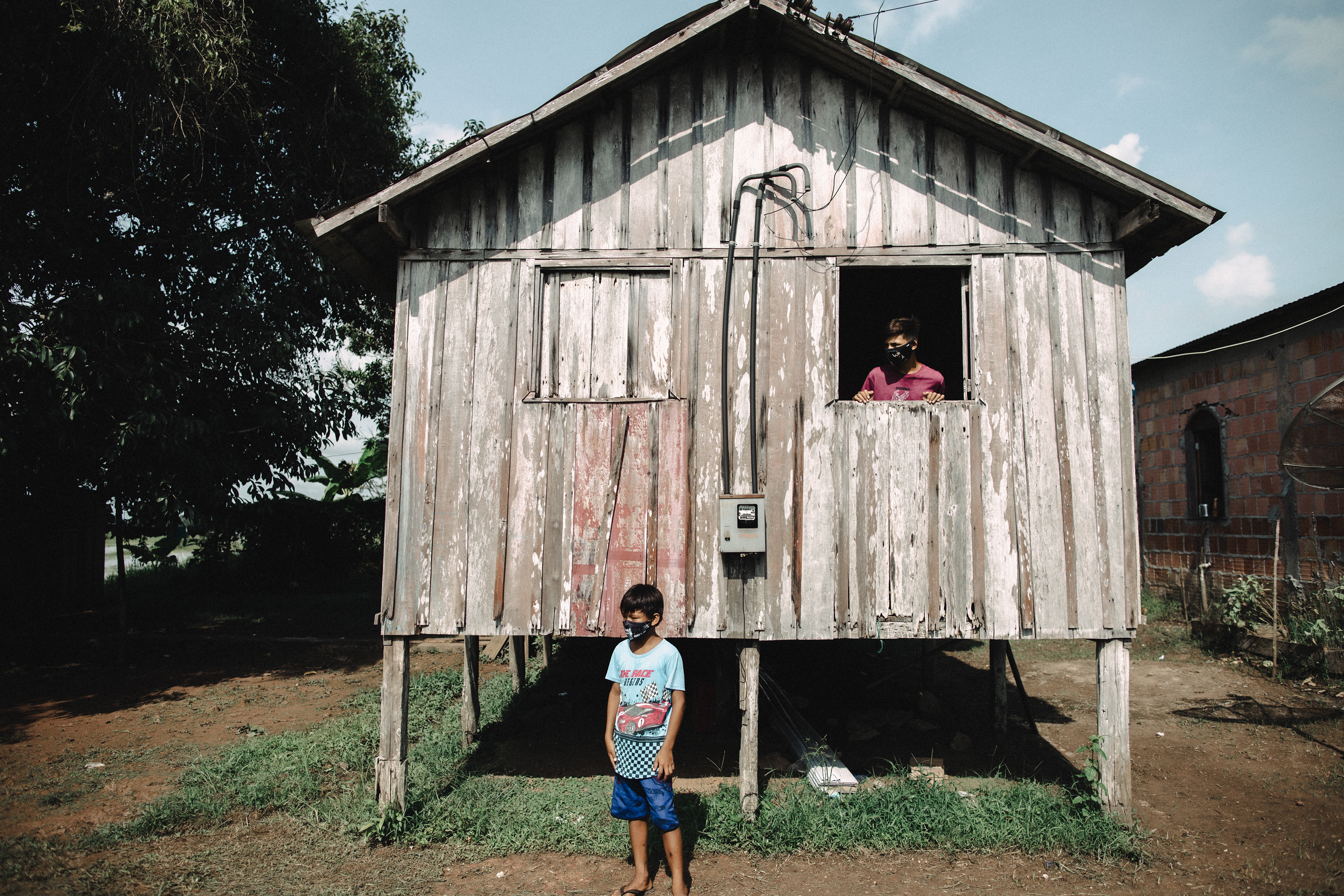
Teams from the Special Indigenous Health District (DSEI) traveled great distances to administer the vaccines, facing exhausting journeys. In the villages, the arrival of immunization was marked by fear, expectation, and relief. Many residents saw the vaccine as a guarantee of survival and a step towards a return to normalcy.
Vaccination did not occur homogeneously throughout the country. The exclusion of urban Indigenous people from federal strategies generates displacement of people between cities and villages, increasing the risk of contagion. At the same time, new variants of the virus and the precariousness of the health system in the region have worsened the situation.
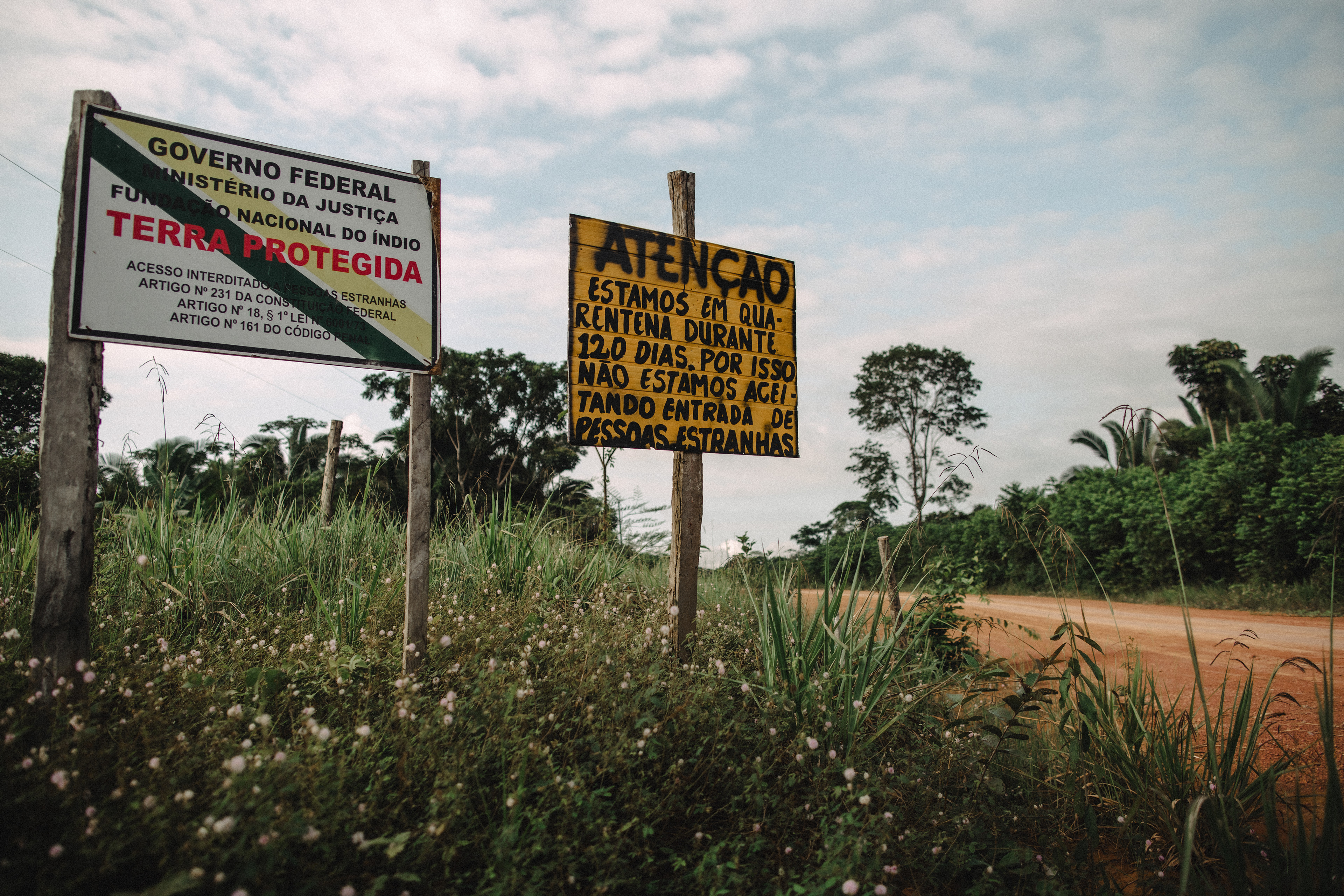
Even amidst these difficulties, Indigenous communities have reinforced sanitary barriers and relied on the support of medical teams, maintaining hope that vaccination will help protect their territories and preserve their lives and cultures.